
If you’ve ever wanted to turn vegetables and fruits into fun, noodle-like shapes but felt unsure how, a spiralizer might be just what you need. It transforms produce into strands or ribbons without requiring advanced knife skills, making prep quicker and easier.
Whether you prefer countertop models for dense veggies or handheld ones for softer fruits, there’s a tool suited to your kitchen.
Keep reading to learn everything you need to know about choosing and using a spiralizer.
Spiralizer 101: What It Is and How It Works
A spiralizer is a kitchen tool that transforms fruits and vegetables into spiral shapes, ribbons, or noodle-like strands, such as “zoodles” from zucchini. To use it, you start by trimming both ends of the produce flat. Then, you secure one end onto the prongs or a central point. As you turn the handle, the blades shave the produce into continuous curls. Most models come with interchangeable blades, allowing for different cut styles like thicker or thinner strands. Material compatibility is important: tougher produce like carrots works best, while softer fruits and vegetables may become mushy. When choosing storage options, opt for a compact tabletop model that fits in your drawer or cabinet. Handheld versions are even easier to store if space is limited. For even strands, make sure to center the produce securely before cranking. Keep the motion steady and smooth to prevent breakage, and place a bowl underneath to catch the spirals as they emerge. This tool is designed specifically for raw produce and is not intended for cooking or preparing cooked vegetables. Unlike a mandoline slicer, a spiralizer does not typically include adjustable thickness settings for straight slicing. If you need to purée the resulting vegetable noodles, consider using an immersion blender instead for a smooth consistency. For juicing applications, a dedicated juicer machine is far more efficient at extracting liquid from oranges and other citrus fruits.
Best Produce for Spiralizing (Plus 3 Types to Avoid)
Avoid produce that is too soft, large-seeded, or narrow for optimal spiralizing. Soft items like tomatoes and avocados turn mushy when spiralized, making a mess and wrecking your blade. Large-seeded produce, such as bell peppers, can jam the spiralizer’s mechanism, slowing down your prep. Narrow veggies like thin celery lack the grip needed for a consistent spiral and tend to slip or break. Instead, select firm, dense produce like beets or butternut squash, which yield clean, even spirals every time. Use the leftover ends creatively in stocks or gratins. Additionally, enhance your spiralizing process with accessories such as storage containers or drying racks to keep your noodles fresh and uniform. For those who also value on-the-go convenience, mini tumblers with straws are top picks for keeping your spiralized creations chilled and portable. To ensure your finished spirals stay fresh, consider using a quality 40 oz tumbler with handle for storing large batches in the fridge.
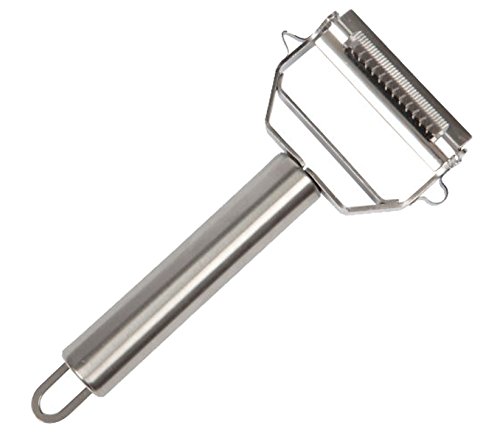

4 In 1 Spiralizer - Create veggie fettuccine, spaghetti and ribbon noodles in minutes with this compact spiral cutter that helps you experiment with a variety of fresh and fun options like veggie lasagna, homemade fries and zucchini pasta

Quality Above All - Stronger Than Ever – Spiralizer is the Brand people have come to trust and rely on. Our New 3rd Generation model is 30-35% stronger than any of the others on the market GUARANTEED! Our 420 high carbon cutlery grade stainless steel blades and stronger ultra reinforced ABS make it possible to spiralize harder root vegetables like sweet potatoes and turnips that previously broke spiralizer handles
5 Creative Ways to Use a Spiralizer Beyond Zoodles
You can use a spiralizer for much more than just making zoodles. For a crispy snack or side, spiralize sweet potatoes or regular potatoes into thin strips to make curly fries or chips, seasoned with bold spices like smoked paprika or garlic. These are perfect for game-day treats or quick bites. For an eco-friendly twist, try using reusable straws to serve your drinks alongside these crispy treats. A drip bowl underneath the spiralizer can catch excess moisture from the produce, keeping your counter clean. If you want to serve a truly cold refreshment with your snacks, consider how a home slushie machine can complement these crispy treats with icy beverages.
In cold salads, spiralize firm fruits and vegetables such as carrots, beets, or apples into delicate ribbons. Their lightweight texture creates visually appealing presentation options when tossed with a tangy vinaigrette.
Add spiralized vegetables like onions and peppers to stir-fries; the increased surface area means they cook faster, giving your dish a satisfying crunch. You can also incorporate spiralized root vegetables into soups or casseroles—just toss them in near the end of cooking for a soft, comforting bite.
For decorative touches, turn apples or citrus fruits into thin, colorful ribbons. These work as elegant garnishes or elements in desserts, salads, or beverages, elevating their visual appeal and flavor. With a little creativity, your spiralizer becomes a multifunctional tool extending far beyond traditional noodle replacements.

THE ORIGINAL PRO CHOPPER – Discover TikTok’s favorite veggie chopper and one of the top-rated kitchen gadgets of the season! This 5-cup, large-capacity chopper dices in just 30 seconds—saving you significant time over manual prep. Simple to set up and clean, it’s the ultimate daily kitchen helper. Note: This is our classic dicing model; select our 6-in-1, 8-in-1, or 14-in-1 variations above for mandoline and slicing features!

THE ORIGINAL PRO CHOPPER – Discover TikTok’s favorite veggie chopper and one of the top-rated kitchen gadgets of the season! This 5-cup, large-capacity chopper dices in just 30 seconds—saving you significant time over manual prep. Simple to set up and clean, it’s the ultimate daily kitchen helper. Note: This is our classic dicing model; select our 6-in-1, 8-in-1, or 14-in-1 variations above for mandoline and slicing features!

★ Premium Quality Materials- Made of 304 stainless steel, 6 blades (The 1 flat blades are fixed on the main body( take it off to change thick and thin blades), the other 4 blades are in the plastic storage box) which is superior quality, food-grade stainless, markedly stronger than any of the others which are old & weak.
Simple Spiralizer Recipes for Beginners
Starting with zucchini noodles is the easiest way to introduce spiralizing, since it requires minimal prep. Simply trim the ends of the zucchini, spiralize, and serve raw. Combining them with avocado and feta creates a crunchy, no-cook wrap that’s quick to assemble. You can also make raw bowls like cucumber noodle salads, pairing the noodles with feta, herbs, and a squeeze of lemon for fresh flavor. To enhance zucchini’s mild taste, stick with simple flavor pairings like lemon, garlic, and feta. For the best results, consult a spiralizer review guide to compare top options before buying. A julienne peeler can also be used to create thin vegetable ribbons for similar raw dishes or garnishes. For a sturdier kitchen tool, consider models that offer a comfortable handle for easier grip during long prep sessions.
For cooked options, stir-fry the noodles with chicken, spinach, and feta in a single pan for a quick meal. Alternatively, try a caprese-inspired dish with tomatoes and basil for a burst of fresh flavor. Sweet potato noodles can be roasted and paired with spicy aioli or a tomato basil sauce to create hearty, warm dishes.
Presentation tips can elevate your dish: arrange the noodles in a nest shape, top with fresh herbs, and serve immediately to keep the crunch intact. Before cooking, drain zucchini noodles thoroughly to prevent mushiness. When adding them to soups or stir-fries, do so at the last minute to maintain their texture.
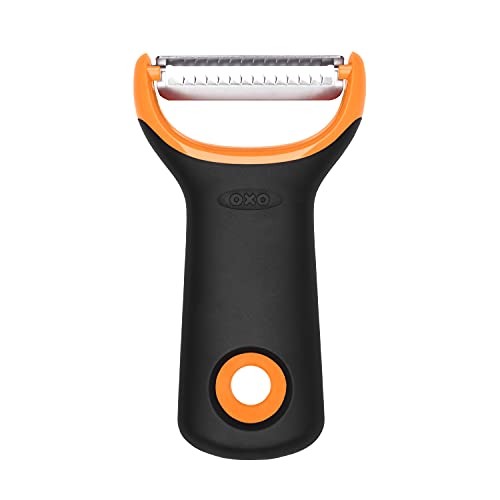
Easily peel precise strips of carrots, cucumber, zucchini and more with the OXO Good Grips Julienne Prep Peeler

100% brand new and high quality

SET OF 2: 1 piece Y julienne peeler, 1 piece potato peeler. Y shaped julienne peeler is for creating strips of carrots, cucumber, zucchini, etc. I shaped vegetable peeler with potato eye remover is for ordinary peeling
Countertop vs. Handheld: Which Spiralizer Should You Pick?
If you plan to use a spiralizer frequently or for heavy-duty vegetables like butternut squash or beets, a countertop model is the better choice. Countertop spiralizers typically have a crank handle that reduces manual effort and ensures consistent, uniform noodles. They often come with multiple blade options, allowing for different cuts and thicknesses, which adds versatility. However, they take up more space on your counter and usually cost more. Always keep the blade sharp and clean to prevent slipping and ensure safe operation.
On the other hand, if you only spiralize occasionally, especially softer vegetables like zucchini or carrots, a handheld spiralizer can be sufficient. Handheld models are compact, easy to store, and generally less expensive. They operate with a simple push or twist motion, which requires a bit more effort but works well for smaller quantities. Keep in mind that handheld spiralizers usually have limited blade options and may produce less uniform noodles compared to countertop models.

Connect to any household KitchenAid Stand Mixer power hub and use the power of the motor to run the spiralizer attachment. sold separately.

4 IN 1 ROTARY BLADE - Different blades can be selected by rotating the roller to make vegetables of different shapes. The vertical design can better play the role of gravity, helping you save more time and effort during cooking preparation. You only need to cut the vegetables into suitable lengths (less than 4 inches), then you can start enjoying the fun of vegetable cutting.
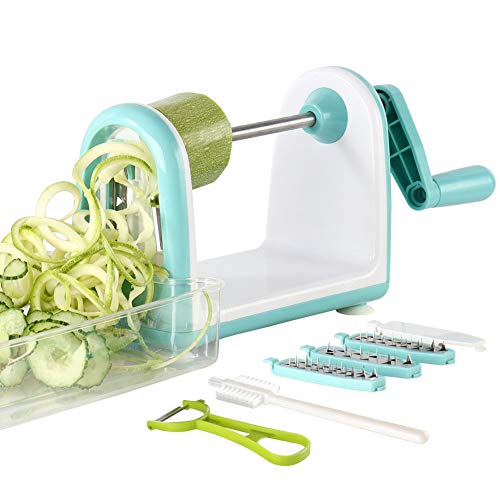
Multifunctional kitchen tool: This spiralizer offers multiple blade options (2/3/5/6 mm & flat slice blades). Whether you want thick ribbons or which thickness spaghetti strands, it provides versatility to enhance your culinary creativity
4 Safety and Durability Features to Look For
Safety and durability features are essential for ensuring your spiralizer remains safe to use and lasts over time. Start by choosing a model with a non-slip base and suction feet, which prevent dangerous sliding when you’re turning dense vegetables. Stainless steel blades are crucial because they resist wear, stay sharp longer, and deliver cleaner cuts without dulling quickly. Additionally, Westmark’s German-engineered spiralizer is built with high-quality stainless steel blades for reliable performance. For a similar level of filtration quality in liquid extraction, look for fine mesh nut milk bags that capture pulp effectively. When selecting storage containers for your extracts, amber glass bottles offer superior protection against light degradation. For those prioritizing overall kitchen appliance quality, opting for a model with a motor powerful enough ensures consistent performance without overheating.
Look for safety features like a food holder or pusher that keep your fingers away from razor-sharp edges. Opt for frames made of BPA-free, impact-resistant ABS plastic, which won’t crack under pressure. Some models include built-in blade storage, protecting the sharp edges when the spiralizer is not in use. These elements significantly enhance daily safety and help your spiralizer withstand years of regular use without falling into disrepair.

Cuts curly noodles from zucchinis, cucumbers, sweet potatoes and more

Industrial-Grade Durability: Made from high-quality stainless steel, this vegetable spiralizer is built for durability and long-lasting use in any kitchen environment

Effortless Tomato Chopper: Effortlessly chop tomatoes and veggies, saving time and enhancing your quality of life. This chopper with a container and drain basket is ideal for those who crave higher quality family time without sacrificing nutrition.
5 Easy Tips for Cleaning and Storing Your Spiralizer
To keep your spiralizer in optimal condition, clean it immediately after each use to prevent vegetable residue from drying and hardening. Rinse the blades and accessories under running water, using a brush to dislodge any stuck-on bits. Disassemble all removable parts, then hand wash them with warm, soapy water or place them on the top rack of your dishwasher if they are dishwasher safe. Wipe down the main body with a damp cloth—never submerge it in water, as this could damage the motor or internal parts. Following these steps helps prevent buildup, extending your spiralizer’s lifespan. For added convenience, you can also consider using a top-rated lid with straw for your beverage while you clean. Unlike juicing, where you can juice a whole orange to extract liquid without pre-peeling, spiralizing requires you to remove tough peels first to protect the blades. For tougher caked-on residue, soaking the press in hot, soapy water can help loosen stuck bits before scrubbing.
Ensure every part is thoroughly dried before reassembling. Air-dry on a rack or gently wipe with a soft cloth to prevent moisture from causing rust or mold. When storing, keep your spiralizer in a dry, organized space, such as its original box or a designated drawer. Store blades and accessories together in a single container to avoid misplacing pieces. Proper storage not only protects your gear but also makes it quick to access when needed. Avoid stacking wet parts, as trapped moisture can lead to corrosion or damage over time.