
Wondering if you can reuse your LifeStraw and how long it will last? The good news is that your personal model can filter up to 4,000 liters of water, making it a long-lasting choice.
With proper care and maintenance, you can extend its usability for quite a while.
Keep reading to learn exactly how to keep your LifeStraw functioning well and when it’s time to replace it.
How Long Does a LifeStraw Actually Last?
Your LifeStraw filter typically lasts up to 4,000 liters of water. This means you can use it daily for more than five years, assuming regular use. The lifespan is based on water volume filtered, not a set expiration date. Membrane microfilters do not expire if left unused, so storage conditions matter: keep unused filters in a cool, dry place to maintain their efficacy indefinitely. For best results, clean the lid with mild soap and water after each use to prevent buildup. For quality and value, many users compare this performance to a 40 oz tumbler that also prioritizes long-term durability. For those who prefer fresh juice, using a high-quality juicer machine can similarly extend the life of your kitchen appliances through proper care.
Once you start filtering water, you’re nearing the end of your filter’s rated capacity. You might notice a reduced flow rate, which signals it’s time to replace the filter. But there’s no printed expiration date to rely on—just monitor your water flow. Treat your LifeStraw as reusable until you reach the stated limit.
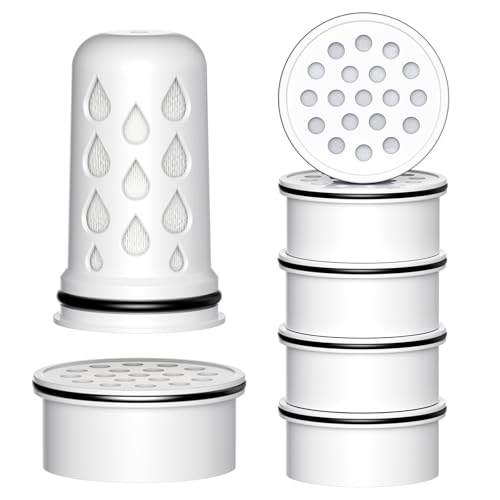
【⭐Water Filter Replacement for LifeStraw Home Pitchers】: This water filter replacement for LifeStraw Home is designed as a pitcher filter replacement for LifeStraw systems, compatible with LifeStraw Home pitchers and dispensers, including the 18-cup dispenser, 7-cup glass pitcher, and 10-cup / 7-cup plastic pitchers.

Filtration that actually does stuff; The only water filters that removes bacteria and parasites, in addition to microplastics

UNIVERSAL COMPATABILITY: Compatible with all LifeStraw Home water-purifying pitchers and dispensers for convenient replacement and continued protection
What Happens When a LifeStraw Filter Needs Replacing?
When your LifeStraw filter reaches its rated capacity—usually 4,000 liters for personal straws and Go Series bottles or 1,000 liters for Home models—you’ll notice a decline in performance. Water flow will slow significantly or stop altogether, and the activated carbon components may no longer effectively remove tastes or odors. That’s the sign you need to replace the filter. Used filters can’t be refurbished; they must be discarded and replaced with a new one. Compatibility is crucial since filter formats vary by model, so you must choose the exact replacement designed for your Go Series, Home pitcher, or Peak straw (which does not have a replaceable filter). Installing a new filter restores flow and filtration to original levels, but initial use may involve slower flow as air is displaced and the filter hydrates. Always consult your manual to ensure proper fit and priming procedures specific to your LifeStraw model.
How Do You Clean and Maintain a LifeStraw for Reuse?
To keep your LifeStraw ready for reuse, regular cleaning is essential. Most models can be maintained by soaking the filter in a solution of ¼ teaspoon of bleach mixed with 2 cups of clean water. Close the bottom cap, open the top cap, and pour the solution through the mouthpiece. Let it sit for about 5 minutes to disinfect. Afterward, rinse thoroughly with tap water for 1 minute to remove any residual bleach.
Another effective method is a saltwater soak—dissolve 1 teaspoon of salt in 2 cups of water. Fill the straw with the saltwater, then store it with all caps open to allow the solution to kill bacteria inside. Before reuse, blow out the saltwater to clear the inside of the straw.
Avoid using soap on membrane or carbon filters, as it can damage them. Instead, simply rinse these filters with clean water. For Peak or Sip models, backwash debris by blowing air through the mouthpiece. Maintain a regular cleaning schedule based on how often you use the straw, and always check for any residual bleach or salt taste. Failing to rinse residue can lead to the same bacteria buildup that makes a protein shaker smelly and unsafe. Discard the first few sips if they taste salty or chemical-like, to ensure your water remains safe and fresh. Proper maintenance will help your LifeStraw perform effectively throughout its lifespan. For similar ease of cleaning, you can adapt lemon juicing habits to keep your water gear residue-free. Matching your water gear to the right cleaning tools is similar to selecting a slushie mix that works best with your machine’s specific dispenser.

CLOROX HEALTHCARE BLEACH GERMICIDAL CLEANER: Specially designed for healthcare professionals, this bleach cleaner kill C. diff* and C. auris in 3 minutes; packaging may vary...
How Should You Store a LifeStraw When Not in Use?
After cleaning your LifeStraw, proper storage is essential to keep it safe and functional. For long-term storage, prepare a saline solution by mixing 1 teaspoon of salt with 2 cups of clean water. Submerge the membrane filter or fill the straw with this saline solution before sealing it inside a reusable container. This method helps keep the filter moist and protected from microbial growth. For those seeking quality and value, the top Stanley Flip Top Water Bottles provide a reliable alternative for everyday hydration. Understanding how a garlic press works can help you choose the right kitchen tool for crushing cloves efficiently. For glass straws, a similar focus on hygiene and cleanliness prevents bacterial buildup during storage.
Store your LifeStraw in a cool, dry, and clean location. Avoid damp or dirty areas that could introduce contamination. When necessary, let dry components air-dry for about 30 minutes before sealing them separately. For example, dry the carbon filter and store it in a different container from the straw. For Sip models, ensure silicone parts are also thoroughly dry before storage. Remember to match your storage routine to your product type: Peak Series straws should have saltwater inside with the cap closed, while GO Series filters can be placed in non-metal containers. Always seal containers tightly to minimize air exposure and maintain hygienic conditions.

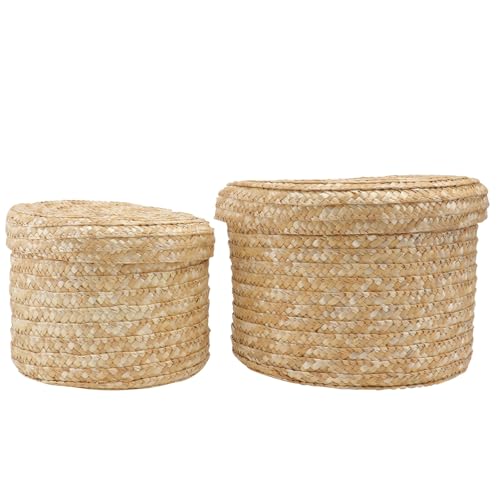
Storage organizer basket:you can use these kits both for inside like kitchen or outside at home,storage basket for shelves
Does the LifeStraw Model You Own Change Its Reusability?
Your LifeStraw model determines how many liters you can use it for before needing to replace or clean. For example, your Personal Straw or Peak Series Straw has a membrane microfilter rated up to 4,000 liters. You can reuse these until flow decreases significantly or the filter’s capacity is reached. In contrast, the Peak Solo drops that limit to 2,000 liters, reducing your reuse window. For optimal storage, consider using a glass dropper bottle to keep filter components dry and clean between uses. Just as with a ninja slushie machine, proper technique and maintenance ensures your filter works effectively over time.
Universal or Flex systems usually have a membrane lifespan of about 1,000 liters. However, their carbon or ion-exchange cartridges typically last around 150 liters or roughly two months of regular use. Instead of replacing the entire unit, you often only need to swap out these taste-enhancing parts. Check your manual because some versions may extend membrane ratings up to 4,000 liters. Remember, a flow drop indicates it’s time to replace the filter components, not that the entire device is finished. Ultimately, your specific model sets the rules for cleaning, swapping, or replacing your filter parts. Similar to a DIY yogurt strainer, you can build your own yogurt strainer at home using simple materials to extend its lifespan and performance.