
Wondering if bamboo straws are worth the effort for reuse? The good news is they can last several months with proper care, typically between three to six months. Sometimes they can last up to a year with careful maintenance.
But you’ll need to be diligent about cleaning and drying them to avoid mold or cracks.
Keep reading for everything you need to know about making bamboo straws last.
Are Bamboo Straws Really Reusable
Yes, bamboo straws are reusable when properly cleaned and maintained. To keep yours in good condition, rinse them immediately after use and scrub the interior with a straw brush. Warm water and mild soap are effective cleaning tools, but soaking the straw in a vinegar-water solution can give a deeper clean. Avoid putting bamboo straws in the dishwasher because the heat can weaken their fibers. Silicone ice trays, by contrast, can withstand dishwasher heat without the same risk of fiber damage because silicone is heat-resistant up to certain temperatures. Unlike a salad spinner that relies on a gentle hand-crank motion to dry greens, bamboo straws require manual scrubbing and thorough drying to stay fresh.
Dry the straws completely by standing them vertically. Full drying prevents trapped moisture, which can lead to fungal growth and spoil the straw’s reusable properties. Proper drying and cleaning extend the lifespan of bamboo straws, helping to reduce waste compared to single-use options. However, neglecting routine cleaning can cause deterioration, leading to wear, cracking, or staining. When signs of damage appear, such as deep stains or cracks, it’s time to replace your bamboo straw. The same principle of thorough drying applies when making a DIY yogurt strainer.
How Many Times Can You Reuse a Bamboo Straw?
You can typically reuse a bamboo straw for between 3 to 12 months, sometimes even up to two years with proper care. The lifespan depends on how well you maintain it—immediate cleaning after each use, thorough drying, and using a brush for sticky drinks all help extend its life. Regular inspection for cracks, odors, or mold will alert you when it’s time to retire it. For comparison, a 40 oz tumbler with handle often requires a durable, reusable straw to match its quality and value. The best bamboo straws share a similar focus on quality and performance as top reusable lids, ensuring long-term satisfaction. Many festive drinkware items like Top Halloween Tumblers With Straws emphasize both durability and style for seasonal use.
Fewer replacements mean less waste and a smaller environmental footprint, making your reusability efforts more impactful. Reusing bamboo straws also honors their cultural and sustainable roots, rather than treating them as disposable items.
Avoid using a bamboo straw if it shows significant cracks, persistent odors, or mold buildup. These signs indicate it’s no longer safe or functional. Judge your straw’s lifespan by its condition rather than a set number of uses—your attentiveness will ensure it lasts as long as possible.

[ENHANCED DRINKING PLEASURE] 16 oz glass cup set includes 8 glass cups, 8 bamboo lids, 8 glass straws and 2 cleaning brushes. Designed with the smooth and pleasing contours of the similar traditional aluminum can, it is definitely the ideal container for iced coffee, beer, cocktails, milk tea, soda, juice and any beverage you can think of.

ECO-FRIENDLY: created by nature and handcrafted in Bali, each bamboo straw is 100% organic. Upgrade to an eco-friendlier lifestyle by switching from plastic straws to natural wood straws.

[ENHANCED DRINKING PLEASURE] 20 oz glass cup set includes 6 glass cups, 6 bamboo lids, 6 glass straws and 2 cleaning brushes. Designed with the smooth and pleasing contours of the similar traditional aluminum can, it is definitely the ideal container for iced coffee, beer, cocktails, milk tea, soda, juice and any beverage you can think of.
How Long Do Bamboo Straws Last With Daily Use?
A bamboo straw used daily typically lasts around three to six months. With proper care, some can reach up to a year, but wear and tear from constant moisture exposure will eventually cause splitting, fraying, or odor. Natural bamboo fibers gradually weaken over time, especially with frequent use, making replacement necessary for hygiene and performance.
Unlike metal or silicone options, bamboo is a biodegradable, short- to medium-term reusable material. Its limited lifespan supports environmental benefits because you can compost the straw once it no longer functions well. This also reflects traditional bamboo craft values, emphasizing reuse until the material naturally degrades, aligning with zero-waste principles.
Expect to replace your bamboo straw after several months of daily use when you notice visible signs of wear or changes in taste. Regular cleaning, thorough drying, and avoiding harsh soaps can extend its life, but eventual degradation is inevitable. This practical lifespan balances usability with sustainability, making bamboo a thoughtful eco-friendly choice.
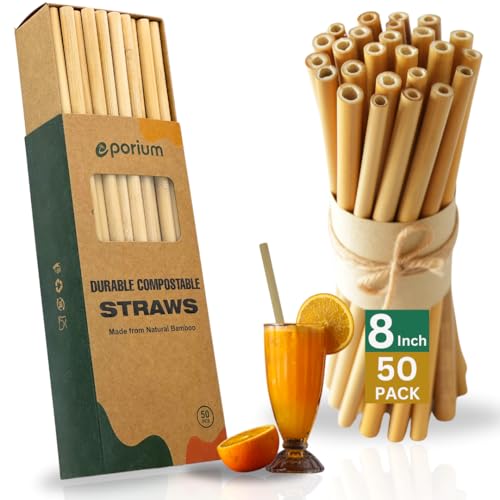
🌿 100% Natural & Organic Bamboo Crafted from real organic bamboo—no chemicals, no plastics. A safe, biodegradable alternative to plastic straws.

ECO-FRIENDLY: created by nature and handcrafted in Bali, each bamboo straw is 100% organic. Upgrade to an eco-friendlier lifestyle by switching from plastic straws to natural wood straws.

100% Bamboo Eco Friendly Straws: This 10 pack of 8 inch durable, ethically processed bamboo reusable straws are hand washable or dishwasher safe, lasting months and offering a sustainable alternative to single-use plastic straws and non-biodegradable options
How to Wash and Dry Bamboo Straws Safely
After each use, rinse your bamboo straw immediately to prevent residue from drying inside. For routine cleaning, wash with warm water, mild soap, and a straw brush to scrub the interior thoroughly. These are your essential cleaning techniques. Avoid the dishwasher, boiling water, and prolonged soaking, as these can weaken and damage the bamboo over time. Using a straw brush with consistent, thorough pressure mimics the technique of filling an ice cube bag fully to prevent weak spots and ensures every interior surface is reached. For optimal care, consider charging your kitchenaid immersion blender as a separate device that requires its own specific cleaning and maintenance routine. When selecting a cleaning brush, prioritize one with stiff bristles, as flexible or soft options often fail to dislodge stubborn particles from the bamboo’s natural grooves.
For drying, always air-dry your straws completely before storing them. Stand them upright to let water drain out, or lay them horizontally only if there is good airflow around them. Rotate the straws on a clean cloth to help moisture evaporate evenly and prevent trapped dampness. Never store bamboo straws while they are still damp, as residual moisture can promote mold growth and compromise the bamboo’s integrity. Before storing, check that no moisture remains and keep the straws in a well-ventilated area until fully dry.

6-PIECE KITCHEN CLEANING SET: Includes 1 long-handle flat-head cup brush, 1 palm brush, 1 sturdy-handle dish brush, and 3 straw brushes. Each brush is designed for a specific cleaning task, giving you practical tools for everyday kitchen use
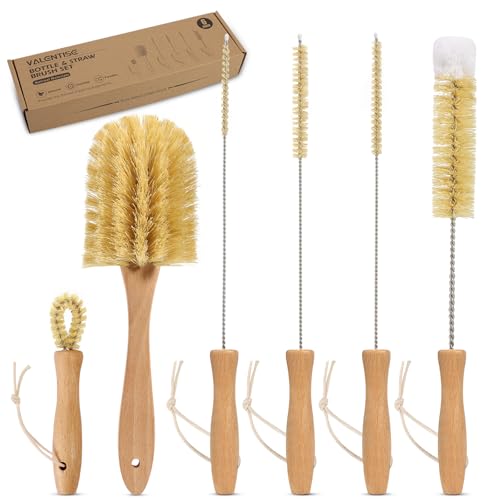
【Complete Bottle Cleaning Brush】:VALENTISE bottle brush set includes a bottle brush, a lid brush, a cotton ball straw brush and 3 different length of straw brushes for all your bottle cleaning needs

IMPORTANT REMINDER – Please note: This is a specialized Oversized Long Bottle Brush Set engineered for deep-reach cleaning. These are NOT standard-sized brushes. They are specifically designed for large containers and long narrow neck bottles. Not suitable for small items such as standard baby bottles, normal glass cups, short coffee mugs.
Why Cleaning Matters for Safe Reuse
Thorough cleaning is essential because bamboo’s porous surface easily traps residue from thick drinks like smoothies, making dried particles nearly impossible to remove. Without proper sanitation, leftover film creates a breeding ground for microbes between uses. Damp interiors after cleaning also promote mold growth. To prevent this, you should scrub the inside with warm, soapy water after every use and avoid quick rinses, which often miss microscopic residues hiding in crevices. Unlike kombucha, which is kept in glass bottles to prevent contamination from reactive materials, bamboo straws require rigorous cleaning to avoid microbial buildup. Avoiding quick rinses is crucial because, as with a mesh strainer, stagnant residues in crevices can cause odors and mold to return if not fully removed. Maintaining a consistent cleaning routine ensures your bamboo straw stays sanitary and safe for reuse. Signs of incomplete cleaning include persistent odors, cloudiness, or a sticky texture—these indicate it’s time to improve your routine before reuse. Regular, thorough cleaning is the key to keeping your bamboo straw safe and clean. For stubborn residue, an immersing in boiling water for a few minutes can help sterilize the interior without damaging the straw, similar to how heat sanitizes other kitchen tools.
Signs It’s Time to Replace Your Bamboo Straw
Your bamboo straw should be replaced when you notice visible cracks, splits, or splintering. These imperfections create crevices where bacteria can thrive and can also irritate your mouth during use. Dark spots or mold that won’t scrub away indicate that the fibers are beyond repair and pose a health risk. A persistent musty odor after drying suggests deep bacterial buildup that cleaning alone can’t eliminate. For a durable alternative, consider a KitchenAid spiralizer attachment for preparing fresh vegetable noodles.
Check the inside of the straw for rough or loose fibers; worn interior surfaces can trap residue and become impossible to sanitize effectively. If your straw has been used for three to seven months or shows multiple signs of wear—such as cracking, persistent odor, or discoloration—it’s time to replace it. Remember, bamboo may have cultural significance, but it isn’t indestructible—prioritize hygiene over myths. For a hygienic alternative, you can always blend a vanilla milkshake and enjoy it with a fresh straw. Replacing your bamboo straw before it becomes a hygiene concern maximizes safety and keeps your eco-friendly habits on track.

Product Included: Our cup lid sets are flexible enough to compatible with different sized Mason jars, and each set includes 4 glass bamboo lids, 4 glass straws, and a straw brush. This convenient bamboo lid set gives you everything you need to enjoy your beverages at home or on the go.

【About Size】our bamboo jar lid measures 70 x 54 mm in outer diameter and inner diameter, can work with most of regular mouth mason jars and canning jars, Ball or Kerr. Diameter of straw hole measures 12 mm/ 0.59 inch, wide enough for straws.

Perfect Fit: This set includes four lids in different colors, compatible with Netany 16oz drinking glasses, Le'raze and HOMBERKING 16oz can-shaped iced tea/coffee glasses. These silicone lids are designed to fit 16 oz glass cups with a diameter of around 2.3 inches/58mm. Ideal for replacing lost or damaged lids and expanding your collection.
Bamboo vs. Metal vs. Glass: Which Reusable Straw Lasts?
Bamboo straws typically last about six months to a year before needing replacement. While they are marketed as reusable, their porous surface makes them more susceptible to damage and wear over time. Proper drying after each use is essential to prevent mold and prolong their lifespan. In contrast, stainless steel and glass options can endure for three to five years, with stainless steel sometimes lasting a lifetime when cared for correctly. Glass is also durable but more prone to breakage due to its fragility. If longevity is your priority, stainless steel offers the longest lifespan, while glass provides a good balance of durability and ease of cleaning. For those seeking convenient hydration, a Hydro Flask lid with straw offers similar long-term value by combining a durable cap with a reusable straw design. For storing cleaning solutions for your straws, consider using amber glass dropper bottles for their protective and reliable design.
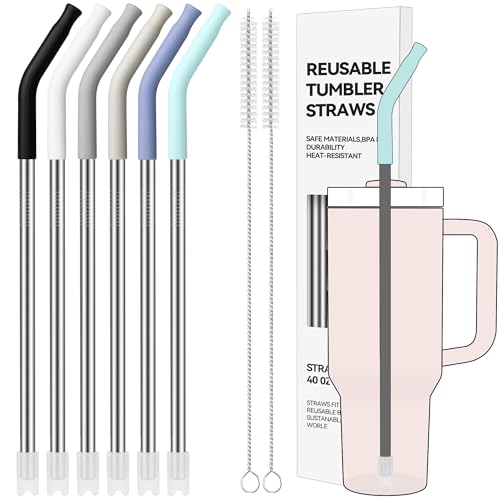
Complete 40 oz Tumbler Accessory Set:Comes with 6 straight straws, 6 straw tips, 6 bottom silicone tubes, and 2 straw brushes. Works with Stanley Quencher (H1.0 and H2.0), Stanley 40 oz tumblers with handles, Simple Modern 40 oz tumblers, and most other 40 oz brands. Please check your tumbler’s size before ordering.

【Premium Material】These drinking straws are made of GENUINE premium, silver-colored 18/8 stainless steel.Unlike other cheap straws with low weight and bent easily, our straws have thicker walls, so that they are very strong, not too heavy nor too light.

12 reusable stainless steel straws with 2 brushes: 6 straight and 6 bent, in 8.5 inch and 10.5 inch lengths with a 6 mm (0.24 in) bore, plus 2 cleaning brushes and a cotton travel pouch
Can You Compost Bamboo Straws When They Wear Out?
Yes, you can compost bamboo straws when they wear out, but only if they are untreated and free of coatings. Pure bamboo without varnish, paint, or glossy finishes breaks down naturally like other plant materials. Since bamboo is denser than food scraps, it takes longer—typically a few months to up to a year—for it to fully decompose, depending on your compost pile’s moisture and temperature. To accelerate the process, break the straw into smaller pieces before adding it to your compost. However, if the bamboo straw has any coatings or finishes, like varnish or paint, avoid composting it. These substances prevent breakdown and can contaminate your compost. Always check labels for terms like “untreated” or “home compostable.” When in doubt, it’s safer to dispose of it in regular waste, especially if you’re unsure about the coating’s composition. EcoPreps straws, for example, are certified compostable and biodegradable outdoors or in compost bins within approximately 12-16 months.
The Honest Bottom Line on Bamboo Straw Reusability
Bamboo straws typically last between 6 and 12 months with careful home use. Their natural structure cannot withstand endless exposure to moisture or heat, which leads to wear over time. The lifespan depends heavily on how well you rinse and dry the straw after each use. Skipping these steps accelerates deterioration, causing cracks, fraying, or unpleasant odors. For the best texture every time, consider using a slushie machine to achieve a perfectly icy consistency. Watch for these signs—they signal it’s time to compost the straw. Don’t expect bamboo straws to last several years unless you handle them very gently. They are a practical and eco-friendly alternative but not a permanent solution. For bottling your kombucha, consider that glass swing-top bottles are a far more durable and reusable choice over natural materials. For a more durable option, consider using a reusable Disney tumbler with a straw that is designed to last without the same natural wear and tear.