
Wondering how to turn vegetables into fun, noodle-like shapes? Using a spiralizer is a simple way to add veggie twists to your meals, whether you choose a handheld, countertop, or electric model.
Once you get the hang of it, you’ll be able to create uniform strands effortlessly, making healthy eating more exciting.
This guide will walk you through everything you need to know to use a spiralizer confidently. Keep reading for clear steps and tips to master this handy kitchen tool.
What Is a Spiralizer? (And Which Type Should You Buy)
A spiralizer is a kitchen tool that turns vegetables into noodles or ribbons. It’s best with firm produce like zucchini, carrots, or butternut squash. Depending on the blade used, you can create either spaghetti-like strands or wider, flat ribbons. This makes it a fun and healthy way to add variety to your meals. You can also mix protein powder into your sauces using a fork or whisk if you don’t own a shaker.
There are three main types to consider. Handheld models are budget-friendly and ideal for occasional use. They are compact and easy to store but require some effort to operate. Countertop spiralizers come with a stable base and a crank handle that makes cutting easier and more consistent. For larger vegetables or more frequent use, horizontal countertop models are better because they can handle bigger produce with ease. Electric spiralizers, although more expensive, are the most effortless—simply insert your vegetable and press a button to get your noodles quickly. For a similar focus on quality and value, the top-rated 40 oz tumbler with handle provides a durable and convenient option for beverages.
You can also enhance your spiralizer with accessories like extra blades, which offer different cutting styles and increase versatility. Pair your vegetable strands with flavorful sauces such as a zesty tomato sauce on zucchini or a sesame-ginger dressing on carrot ribbons to elevate your dish.

Compact 4-in-1 Design - The only zucchini spiralizer noodle maker that fits anywhere! This vegetable spiralizer combines four cutting options in one space-saving tool. Perfect spiralizer for veggie noodles and healthy pasta alternatives. Great for weeknight snacks, Christmas dinners, festive parties, or holiday gatherings.

Cuts curly noodles from zucchinis, cucumbers, sweet potatoes and more

EASY VEGETABLE SPIRALIZER: Serve up your favorite vegetable as a delicious carb-free pasta with this vegetable slicer by Veggetti. With a simple twist, this spiralizer for veggies instantly turns your favorite vegetables into tasty and healthy noodles
How to Set Up Your Spiralizer for Safe and Easy Use
To set up your spiralizer safely and efficiently, start by unpacking all parts and inspecting the blades and holders for any damage. Keep the blades separate until you’re ready to install them to prevent accidental cuts. Insert the selected blade into the appropriate holder, making sure the tabs align exactly. Lock the blade in place so it sits flush and securely.
Secure the spiralizer to a clean, flat surface to prevent shifting during use. If your model has suction cups or locking levers, press down firmly before engaging these features. Attach the feed chute and lock the food holder securely in position. For electric models, always unplug the unit during setup to avoid accidental activation. Always cut produce ends flat to ensure they fit the feed tube correctly for consistent spiralizing. For manual models, choosing a design with sturdy suction cups helps keep the device stable during operation. For electric models, a best juicer machine can also provide reliable performance for fresh orange juice. To achieve consistent results across different tasks, prioritize quality and performance when selecting any kitchen appliance.
After use, turn the blades to a safety mode if available and unplug the device before cleaning. Wash all components thoroughly after each use and store blades in protective sleeves to prevent dulling or injury. To expand your noodle options, consider accessories like julienne or ribbon blades. When spiralizing, apply light, steady pressure; forcing food through can cause slips or damage to the blades.

4 IN 1 ROTARY BLADE - Different blades can be selected by rotating the roller to make vegetables of different shapes. The vertical design can better play the role of gravity, helping you save more time and effort during cooking preparation. You only need to cut the vegetables into suitable lengths (less than 4 inches), then you can start enjoying the fun of vegetable cutting.

FOLDS TO HALF SIZE FOR COMPACT STORAGE: The QuickFold spiralizer folds down in seconds, so it tucks into a drawer or cupboard and frees up counter space - built for small kitchens, apartments, RVs, dorms, and travel. Manual operation means no electricity, no batteries, and no cords; spin the handle to make fresh vegetable noodles anywhere. The oversized foolproof suction pad has a Lock/Unlock lever that grips smooth, flat countertops and holds steady while you work.
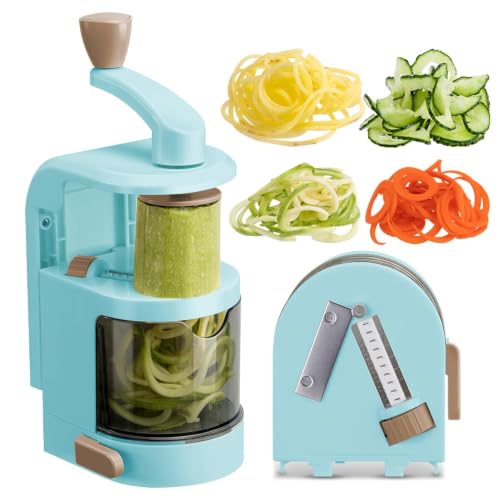
4 IN 1 ROTARY CHANGABLE BLADE - Different blade types can be selected by rotating the roller to make vegetables of different shapes. The vertical design can better play the role of gravity, helping you save more time and effort during cooking preparation. You only need to cut the vegetables into suitable lengths (less than 4 inches), then you can start enjoying the fun of vegetable cutting.
How to Choose and Prep Produce for Spiralizing Perfect Noodles
Before spiralizing, wash and dry all produce thoroughly to remove dirt and enzymes that could cause slipping. Cut both ends flat to create stable contact points for your spiralizer. Peel tough skins from carrots, beets, and butternut squash to ensure smooth noodles and easier handling. However, skip peeling zucchini, as leaving the skin intact helps improve the texture and nutrient content. Remove large seeds from cucumbers to prevent watery, limp noodles and maintain a firm bite.
For dense root vegetables like carrots or beets, chill them in the refrigerator for 20 to 30 minutes before spiralizing. Cold produce cuts more cleanly, reducing the risk of splintering and uneven noodles. After spiralizing, salt moisture-heavy vegetables such as zucchini to draw out excess water. Let them sit for about 10 minutes, then blot them dry with a clean towel or paper towels. This step helps your noodles hold together better and prevents them from becoming soggy, resulting in a more satisfying final dish.

Connect to any household KitchenAid Stand Mixer power hub and use the power of the motor to run the spiralizer attachment. sold separately.

Extra fine spiralizing blade to create thin angel hair vegetable noodles and is great for garnishes and salads. Dishwasher safe on top rack.
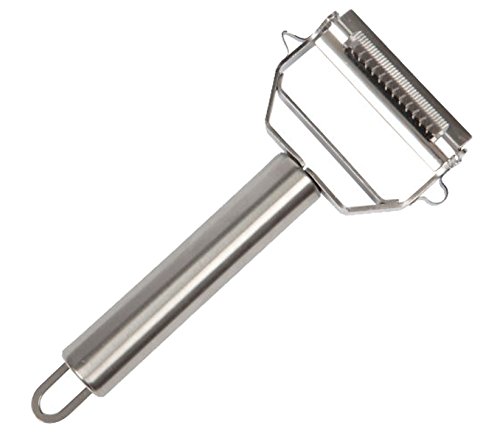
Which Blade Should You Use for Spaghetti, Ribbons, or Thick Cuts?
The blade you choose depends on the cut you want—spaghetti, ribbons, or thick noodles. For delicate spaghetti-like strands, use the smallest blade, often labeled fine or 1/8 inch. This blade creates thin, light strands ideal for pairing with delicate sauces or firm vegetables like zucchini.
For wider, flat ribbons, select the straight blade, which produces broad, smooth slices perfect for salads or layered dishes such as lasagna. When you need thicker cuts like fettuccine, a medium blade around 1/4 inch works best; it holds up well against richer sauces and heartier ingredients. Proper storage and cleaning of your spiralizer blades is similar to maintaining a top shaker bottle with storage, ensuring long-lasting performance.
Blade maintenance is important: rinse blades immediately after use to prevent residue buildup. Switching between blades allows you to add variety to a dish by combining spaghetti, ribbons, and thick cuts. Adopting small habits that improve every use can also keep your blades sharp and your spiralizer functioning smoothly. Choosing a durable model with a reliable lid ensures your spiralizer remains secure during vigorous use. Always refer to your spiralizer’s chart or manual to confirm the correct blade names and sizes for your model.

Pack of 4 Premium Blades for Brieftons 5-Blade Spiralizer (BR-5B-02), Brieftons 7-Blade Spiralizer, and Brieftons 10-Blade Spiralizer

★ Premium Quality Materials- Made of 304 stainless steel, 6 blades (The 1 flat blades are fixed on the main body( take it off to change thick and thin blades), the other 4 blades are in the plastic storage box) which is superior quality, food-grade stainless, markedly stronger than any of the others which are old & weak.

ORIGINAL DESIGN, BOASTING MORE THAN 15 YEARS ON THE U.S. MARKET
The Right Way to Spiralize: Step-by-Step Motion Guide
To spiralize correctly, start by securely attaching the spiralizer to a flat, non-slip surface. Prepare your produce by trimming it to fit comfortably onto the prongs. Fit the vegetable onto the prongs, pressing its flat end firmly against the blade. Keep it straight to avoid wobbling; a centered hold ensures uniform spirals. Turn the handle smoothly and steadily—avoid jerky motions—and apply even pressure toward the blade while cranking clockwise. Maintaining a controlled, consistent pace produces even, well-formed spirals, perfect for salads or garnishes. When the piece becomes too short to hold safely, stop spiralizing and use the pronged pusher to finish. For different textures, swap blades as needed, which is a simple way to diversify your recipes. Let the blade do the cutting; your role is to guide the motion steadily. Afterward, clean all parts thoroughly to keep your spiralizer in top shape for next time, paying special attention to crevices where mould and odour can accumulate. The rubber legs provide additional stability during use, keeping the tool firmly in place on the countertop. A quality spiralizer should also offer a tumbler for coffee that matches your morning routine. Using a shaker bottle alongside your spiralizer helps mix dressings or protein shakes quickly for a complete meal.
How to Fix Common Spiralizer Problems
Even with a smooth technique, spiralizing can present some common issues. If your strands are uneven, make sure to center your produce with flat ends and select a blade suitable for the specific food type. When strands break, opt for firmer vegetables and avoid pressing too hard—applying steady, gentle pressure helps preserve the shape of your produce. If the spiralizer slips or wobbles during use, secure both the wide and narrow ends properly on the holder; items that are too small may not grip well and can cause instability. For softer produce, choosing a garlic press vs grater approach can help you decide on the best tool for finer textures instead. Blade clogging often indicates pulp buildup inside the cone. Stop and clean the cone thoroughly, then switch to the correct blade and ensure the produce is firm enough. When your device refuses to operate, check that it is assembled correctly and that the power source is active. Inspect the moving parts for debris or buildup, and consider applying a tiny amount of food-safe oil on certain models for smoother operation. Regular maintenance and troubleshooting techniques will keep your spiralizer functioning effectively and prevent common problems. Adopting safer, smarter cuts can help avoid blade clogging and uneven strands by ensuring proper produce preparation and device stability. Additionally, reviewing the basic setup instructions can prevent wobbling issues by confirming that both ends are fully secured in their holders.

【Upgraded Versatile Vegetable Chopper - High-grade Gray】: Our ZTQCSQ Mandoline Slicer Plus Size, also known as a vegetable chopper, features a larger feeder, increased capacity, and a more elegant design. This multi-functional chopping artifact makes meal preparation effortless, allowing you to slice, dice, and julienne a variety of vegetables with ease. Save time and effort in the kitchen while achieving professional results. Gifts comes with a cleaning brush and Handheld Spiralizer.

[3-in-1 VEGETABLE SPIRALIZER] - With the turn of a knob, you can switch between 3 modes to quickly and efficiently make vegetables into three different sizes of low carb veggie noodles from numerous healthy veggie.

4 in 1 Vegetable Spiralizer: No Blade Swapping. Simply turn the dial to instantly switch between 3 modes. Quickly and efficiently turn fresh veggies into low-carb noodles of 3 different shapes and thicknesses—all while minimizing food waste.
How to Clean and Store Your Spiralizer Without Getting Cut
To clean and store your spiralizer safely, always disassemble all removable parts first to minimize contact with sharp blades. Use warm, soapy water and a soft cloth, keeping your fingers away from the cutting edges. A soft brush is helpful for removing trapped food from grooves. Rinse each part thoroughly and dry them completely with a soft cloth or air-dry on a rack. For parts that are dishwasher safe, secure them on the top rack. The main body should always be hand-washed to prevent damage. Use a vegetable brush for blades to safely clean between grooves. For 32 oz tumblers, a secure handle grip is equally important to prevent accidents when handling heavy, full containers. Soaking glass straws in a baking soda solution can also help neutralize odors that develop over time.
Handle blades carefully by their edges and clean them separately in a sink or bowl; avoid loose blades in the basin. Make sure every component is fully dry to prevent rust, especially those in hidden grooves. When storing, place blades in a dedicated storage box or the original packaging to keep them organized and out of reach of children. Store the spiralizer in a dry, clean spot and avoid storing damp or warm parts to reduce the risk of slips or cuts. Keep all parts together to prevent losing any pieces and always prioritize safety over convenience. To prevent lingering smells on plastic parts, you can soak them in a solution of baking soda and warm water to neutralise odours.