
If you’re tired of smoothies that turn foamy or lose their bright flavors quickly, a vacuum blender might be just what you need. It works by removing air from the jar before blending, which helps preserve nutrients and keeps things fresh longer.
Keep reading to discover how this innovative technology can change the way you prepare your favorite blends.
What Is a Vacuum Blender and How Does It Work?
A vacuum blender works by removing air from the blending container before you start blending. You load your ingredients into an airtight jar, seal the lid, and activate a built-in vacuum pump. This pump extracts oxygen, creating a low-pressure environment inside the jar. As a result, your ingredients experience less oxidation, leading to less foam and more uniform blending. Because oxygen is minimized, the ingredients blend more smoothly and retain more of their natural flavors and nutrients. This process is similar to how Ninja Slushie Machines remove air to create smooth, icy textures with less ice crystal formation. For those seeking the freshest possible juice, this reduced oxidation also helps preserve the vibrant taste of produce, much like the high-speed extraction seen in top-rated citrus juicers that prioritize minimal pulp exposure. A similar principle is used in cold brew coffee cans to maintain freshness by limiting oxygen exposure.
Additionally, this process improves motor efficiency. With the reduced resistance caused by the absence of air, the motor doesn’t need to work as hard to circulate the ingredients. This not only helps the blender operate more quietly but also reduces wear on the motor over time. The combination of fewer air bubbles and smoother operation makes vacuum blending an attractive option for smoothie enthusiasts and health-conscious users.

AIRTIGHT COFFEE BEAN STORAGE CONTAINER FOR GROUND COFFEE AND WHOLE BEANS: The Coffeevac 1 LB holds one pound of whole beans or ground coffee in a 1.85-liter airtight container. At 7.75 inches tall and 4.875 inches wide, it fits on the counter, in the pantry, or in the freezer. Also stores loose-leaf tea, dried herbs, spices, and dry goods

TURNS A CLASSIC VITAMIX INTO A VACUUM BLENDER: The VOID jar goes on your base where your Vitamix jar does, and your Vitamix motor does the blending.

Electric Vacuum Coffee Canister: Designed for storing coffee beans and grounds with an airtight seal that helps preserve freshness in everyday kitchen use
How Vacuum Blending Keeps Your Smoothies Fresh
Vacuum blending significantly extends the freshness of your smoothies by removing air during preparation. It eliminates up to 86% of dissolved oxygen, which helps preserve delicate nutrients like polyphenols and flavonoids. This reduction in oxygen prevents the oxidation process that causes discoloration, such as browning in apples, avocados, and spinach, keeping the ingredients vibrant and appealing. As a result, your smoothie maintains its bright color and bright flavor much longer—sometimes up to eight hours—when stored properly. Additionally, vacuum blending helps retain more vitamin C, with some observations indicating three times the amount remains after several hours compared to traditionally blended drinks. Similarly, using a well-insulated container like a 40 oz tumbler with handle can further protect your smoothie’s temperature and freshness during transport. To maximize freshness, it’s best to seal your smoothie tightly and refrigerate it promptly after blending, allowing you to prepare ahead without sacrificing quality. For long-term storage, regularly cleaning the bottle with a quick cleaning routine prevents odors and mold from returning. Unlike standard blending, vacuum models require a proper seal to maintain the low-oxygen environment that keeps ingredients from prematurely degrading.
Why Smoothies Get Less Foam With This Tech
Vacuum blending significantly reduces foam in your smoothies by eliminating almost all air from the jar before blending begins. This air exclusion means the blades pull in far less air during operation, resulting in minimal foam formation. Without trapped air, the blender cannot whip bubbles into the drink like a standard model does, so the resulting smoothie has a smoother surface.
You’ll notice less froth on top, and any foam that does appear will be thin and quickly dissipate. This leads to a denser, creamier texture with a velvety feel from the start, eliminating the need to wait for foam to settle or strain it out. The reduction in foam enhances both the appearance and the mouthfeel, making your smoothie more visually appealing and enjoyable to drink.
Where a Vacuum Blender Really Shines at Home
A vacuum blender truly shines at home when you need to preserve freshness and improve texture. It excels in meal prep, especially if you blend fruits and vegetables a day or two in advance. You’ll notice a significant flavor enhancement because the reduced oxygen prevents oxidation, keeping produce tasting vibrant and fresh longer. The texture of smoothies and purees also benefits—a creamier, more consistent consistency with less froth makes each drink smoother and more enjoyable. It handles savory ingredients with ease, making soups, sauces, and baby foods while maintaining color, flavor, and nutrient integrity better than standard blenders. Thanks to minimized oxygen exposure, nutrient retention is superior, ensuring you’re getting more of the good stuff with each batch. Batch-prepping breakfast bowls or creating dips and spreads becomes effortless, with consistent quality that lasts for days. This principle is similar to how mastering the reaming technique helps extract the most juice from citrus without introducing bitterness.

Stainless Steel Construction: Spill-proof shaker bottle made of BPA-free stainless steel for mixing supplements and smoothies.

✅ ALL-IN-ONE COMMERCIAL & HOME BLENDER – A true 7-in-1 design that replaces multiple appliances — a blender for smoothies, protein shakes, hot soups, nut milks, baby food, frozen desserts, and fresh juices. The core is driven by a high-performance Japanese Fuji Carbon pure copper motor, ensuring relentless power for all tasks. Perfect as both a commercial blender and a home kitchen essential, Reslee’s versatile design saves space while expanding possibilities

A HEALTHIER YOU: Vacuum blending is proven to preserve more vitamins and nutrients compared to traditional blending, for healthier results and a healthier you
Key Vacuum Blender Features to Look For
A vacuum blender keeps your blends fresher longer by removing air before blending. Look for models with a built-in pump that creates a vacuum environment, which helps preserve color and nutrients. A powerful motor between 1,000W and 1,700W makes easy work of ice and frozen fruit, ensuring smoother textures. Multi-blade designs are beneficial because they pull ingredients downward, reducing blending time and creating a more uniform consistency. Noise reduction covers are also important since they dampen the sound during high-speed operation, making the process quieter. Electronic controls and preset programs simplify operation, so you can quickly select your preferred settings. BPA-free Tritan jars, typically around 1.5 to 2.0 liters, offer durability, safety, and visibility of ingredients while blending. If you plan to use the blender on the go, check for safety interlocks and vacuum-to-go accessories. Choosing a model with these features guarantees you get the freshest, quietest performance possible. For optimal results, consider using ice cube bags to pre-portion frozen ingredients efficiently.

Patented fifth side allows for bigger, faster blends

Versatile High-Speed Countertop Blender – From morning smoothies and frozen drinks to hot soups, sauces, dips, spreads and more, this high-speed countertop blender gives you the power and control to tackle a wide range of recipes with simple, easy-to-use controls.

SEAMLESS BLENDTEC COMPATIDILITY:Engineered for Perfect Fit: A dependable, non-OEM replacement jar flawlessly compatible with most Blendtec blenders and commercial models. Whether upgrading your home setup or replacing a well-worn container in a busy café or smoothie bar, this all-in-one assembly drops right into place with zero hassle.
Are There Any Downsides to Vacuum Blending?
Vacuum blending has some downsides to consider. The initial cost is higher, with vacuum blenders often falling into the mid-to-high-end price range. If you’re on a tight budget or only blend occasionally, this extra expense might be hard to justify.
Storage is another challenge. These machines tend to be bulkier and heavier than standard blenders because of the additional vacuum components. Their larger size can take up more counter space and require extra cabinet room for parts. Portability is also limited, making it less practical to frequently move or store them away.
Convenience can take a hit as well. Adding the vacuum process typically adds 30 to 90 seconds to your prep time. You also can’t easily adjust ingredients mid-blend without breaking the seal, which interrupts the process. For those who also brew kombucha, you may need to consider separate bottling equipment for that task. Some models may also produce more noise or overheat during prolonged use, so you should consider whether these issues are worth the benefits for your routine.
Vacuum Blender vs. Regular: What’s Different?
A vacuum blender significantly enhances your blending experience by removing air from the jar before blending begins. This process reduces oxidation, which causes ingredients like greens and avocado to lose their vibrant color and freshness quickly. As a result, your smoothies stay brighter and more nutrient-rich for longer periods. Expect a denser, silkier texture with almost no foam or froth, unlike standard blenders that incorporate air into the mixture. This is especially beneficial when preparing sauces, purées, or pre-portioned drinks since you preserve flavor, color, and nutrients like vitamin C much better. The main trade-off is that vacuum blenders tend to be more expensive and require extra effort to clean the seals, but the improved freshness and smoother consistency can make it well worth the investment. For those who frequently puree hot soups directly in the pot, an immersion blender offers a simpler and more portable alternative. High-speed blenders also offer powerful motors for efficient blending, but vacuum models further prevent oxidation to retain nutrients. However, unlike a vacuum blender, a food processor typically has a wider bowl and different blade attachments, making it more suited for chopping and shredding tasks, which highlights how long-term value depends on your specific kitchen needs.

【Press-to-Seal Vacuum Freshness】Designed with an easy press vacuum system, the CREAMORE PRESS-VAC helps remove excess air from the canister to better protect coffee beans from air, moisture, and flavor loss.

𝐅𝐢𝐭𝐬 𝐁𝐨𝐭𝐡 𝐖𝐢𝐝𝐞 & 𝐒𝐭𝐚𝐧𝐝𝐚𝐫𝐝 𝐌𝐚𝐬𝐨𝐧 𝐉𝐚𝐫𝐬 𝐰𝐢𝐭𝐡 𝐄𝐚𝐬𝐞 - Designed for ultimate versatility, this mason jar vacuum sealer is fully compatible with both wide-mouth and standard-mouth Mason jars. Switching sizes is a breeze—just rotate the attachment to seal everything from jams to dry snacks. With its built-in auto-stop feature, you can enjoy a hands-free experience that makes kitchen organization quick and effortless.

PATENTED PUSH-BUTTON VACUUM SEAL KEEPS COFFEE BEANS & GROUNDS FRESHER LONGER – The Kilovac uses Tightpac's patented push-button vacuum seal system to actively remove air every time you close the lid, creating an air tight coffee bean container environment that protects against moisture, air, and odor. Works on the countertop, in the pantry, fridge, or freezer for everyday use.
Should You Upgrade From a Regular Blender?
If you blend frequently and prioritize optimal texture, color, and nutrient retention, upgrading to a vacuum blender can be worthwhile. These models produce smoother textures by removing air during blending, which reduces foam and separation. They also help drinks stay fresher longer, particularly if you prepare smoothies in advance. For quick single-serving tasks, a standard personal blender with travel lid offers comparable convenience at a fraction of the cost.
However, consider the cost: vacuum blenders tend to be significantly more expensive than standard models. The vacuum step also adds extra time to your blending process. Scientific studies confirm that vacuum blending can increase antioxidants 2-3x, especially vitamins A, C, and polyphenols, by limiting oxidative damage during the process. If you only blend occasionally or prefer to drink your beverages immediately, a regular blender is typically sufficient. Similar to how the early paper straw evolved to address specific needs, vacuum blenders were developed to solve the problem of nutrient loss during blending. For maintenance issues, you can often reset the machine by unplugging it for a few minutes.
For those who frequently make smoothies and value presentation and nutritional quality, investing in a vacuum blender can be a smart move. When choosing a model, look for reliable seals to maintain the vacuum and engines that operate quietly. Keep in mind, this isn’t a gadget for quick, on-the-go blending but a specialized tool for those who want the best texture and freshness.
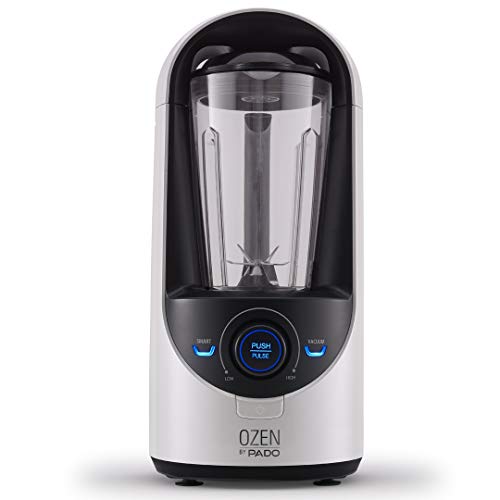
Antioxidation: experience juice and smoothies like never before. Vivid rich colors and flavors.
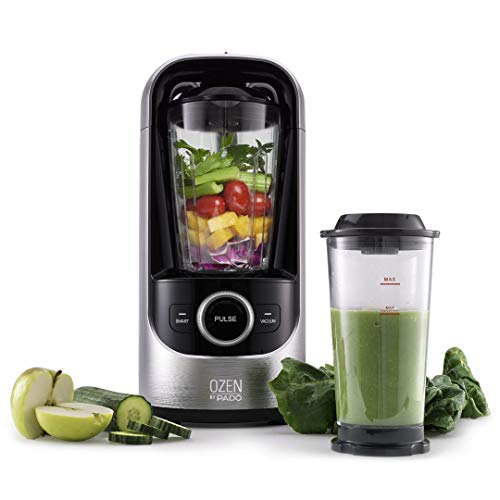
Antioxidation: experience juice and smoothies like never before. Vivid rich colors and flavors. Includes additional vacuum storage container and free recipe book.