
Running out of charger for your whipped cream dispenser can be frustrating, especially if you’re in the middle of a treat. Luckily, there’s a simple trick to squeeze out a few leftover servings by shaking the can with residual gas.
For fresh, fluffy cream, though, you’ll want to prepare your own with a few easy tips. Keep reading to learn how to get perfect whipped cream without a charger every time.
Why Your Dispenser Needs a Charger
Your whipped cream dispenser needs a charger because it relies on a pressurized nitrous oxide cartridge to function properly. Without this gas charge, the dispenser cannot build the necessary pressure to push the cream through the nozzle. Manual pumping or shaking won’t generate the required pressure difference, so the resulting stream will be weak and inconsistent. The nitrous oxide also dissolves into the cream, giving it that light, airy texture—something air alone can’t achieve or sustain. The dispenser is designed to work with a sealed cartridge; if you don’t insert one, the system remains unpowered and won’t dispense correctly. Since the charger provides the essential gas power, it isn’t optional—without it, your dispenser won’t deliver the proper texture or flow. Many users appreciate that the cartridge system keeps the cream free from contaminants, similar to how amber glass dropper bottles protect sensitive contents from light and degradation. Each charger contains 8g of pure nitrous oxide, ensuring fresh, residue-free toppings with consistent flavor and texture. In contrast, a 40 oz tumbler with handle relies on simple insulation to maintain temperature, requiring no pressurized parts or cartridges to perform reliably. For similar small-batch mixing, you can learn the exact steps to build a DIY mini blender for quick preparation of sauces or whipped cream.
The Only Real “Hack” That Works Without a Charger
If you’re out of a fresh charger, the only practical hack involves using the residual nitrous oxide in your canister. Shake the dispenser vertically for 15 to 30 seconds to redistribute the trapped gas. Then, flip it upside down and deliver short bursts lasting 1 to 2 seconds each. This method can provide about 2 to 3 servings before the foam starts to thin out, so it’s best suited for a single use rather than refilling the entire batch. Following ice pop mold safety tips helps ensure the canister stays cold and pressurized during use, just as keeping the cream chilled preserves pressure. This technique is less reliable than a Stanley Flip Top Water Bottle for maintaining consistent performance, but it works in a pinch. In the same way, choosing a durable spiralizer can help you consistently create even zucchini noodles without kitchen gadgets failing at a critical moment.
For flavor variations, add vanilla or cocoa powder directly into the cream before shaking. Keeping the canister cold between uses helps preserve the remaining pressure, ensuring you get the most out of each burst. Remember, this is not a true charging hack—it’s a last-ditch effort to get a few extra servings when you’re out of fresh nitrous oxide.

PROFESSIONAL-GRADE WHIPPING & NITRO COLD BREW - Easily make keto-friendly whipped cream, frothy lattes, nitro cold brew coffee, and rich desserts with this whipped cream dispenser. Whip up fluffy scrambled eggs or homemade butter with no preservatives.

CREAM CHARGERS FOR CULINARY USE — SAFETY INFORMATION: These chargers are intended for culinary food preparation only and are not for human inhalation — do not inhale contents. Cartridges are pressurized; keep out of reach of children. Each charger delivers consistently rich, stable whipped cream with a clean, professional finish for your favorite desserts and beverages.

PROFESSIONAL-GRADE WHIPPING & NITRO COLD BREW - Easily make keto-friendly whipped cream, frothy lattes, nitro cold brew coffee, and rich desserts with this whipped cream dispenser. Whip up fluffy scrambled eggs or homemade butter with no preservatives.
How to Prep Heavy Cream for a No-Charger Dispenser
Use heavy whipping cream with at least 36 percent milk fat. This ensures the cream will whip into a stable, lasting foam because higher fat content helps hold air better. Keep the cream consistently cold, between 35°F and 40°F, straight from the refrigerator, to maintain its whippability and prevent it from thinning out. For sweetening, opt for powdered sugar, which dissolves smoothly without clumping, ensuring even sweetness and texture. Add flavoring like a splash of vanilla extract or experiment with options such as cocoa or citrus zest. Stir gently until the mixture is fully smooth, avoiding aggressive mixing that could incorporate unnecessary air or cause it to curdle. When transferring the cream, use a funnel and pour below the dispenser’s maximum fill line to prevent overfilling and spillage. After loading, chill the dispenser immediately to help preserve the cream’s texture and prevent separation. Keep in mind that a half-pint dispenser holds about 1 cup of prepared cream, so adjust your batch size accordingly for best results. For a more consistent foam, a high-power blender can be used to mix the cream before transferring it to the dispenser. For freshly squeezed juice, a centrifugal juicer offers the fastest extraction for prepping citrus to pair with your whipped cream.
Load Pre-Whipped Cream Into the Dispenser Step by Step
To load pre-whipped cream into the dispenser, start by unscrewing the head completely. Pour the cream in slowly, stopping at the two-thirds fill line to avoid overfilling. Be careful not to smear the gasket area, as a smooth, uniform cream consistency ensures a proper seal. Check that the rim is spotless before screwing the head back on straight and tightening it securely. Confirm that the gasket sits flush to prevent leaks. For added stability, remember that loading the dispenser on a level surface prevents tipping and ensures a clean seal. Attach the nozzle tightly. To dispense, hold the dispenser upside down and apply slow, steady lever pressure. Use short bursts to maintain control. Stop when the flow starts to thin out or air pockets appear. Proper loading and immediate cleaning are essential to prevent clogs and maintain optimal performance, and regular cleaning with warm soapy water after each use will keep the dispenser fresh and clog-free. If you experience uneven texture or taste, adjust the prep by ensuring the cream is properly chilled and the gasket is free of residue.

【Whipped Cream Canister Set】You will get a whipped cream dispenser, 3 stainless steel decorating tips, a metal charger holder,a small cleaning brush, and a storage bag.Chargers NOT included. Compatible with all brands of 8-gram cream chargers.
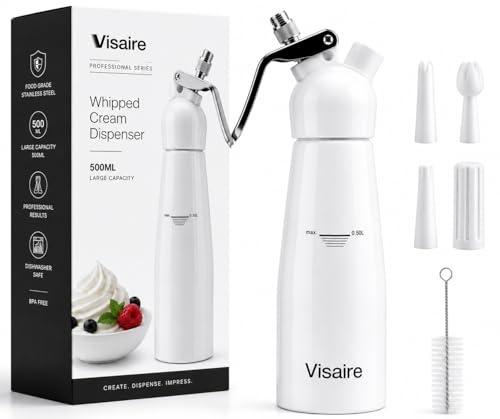
MAKES FRESH WHIPPED CREAM IN SECONDS - Pour in cold heavy cream, add an 8g N2O charger, shake and dispense. Top coffee, lattes, hot cocoa, pies, waffles and desserts with fresh cream you flavor and sweeten yourself.
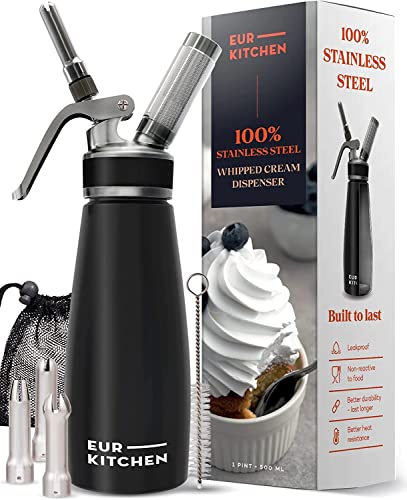
PROFESSIONAL-GRADE WHIPPING & NITRO COLD BREW - Easily make keto-friendly whipped cream, frothy lattes, nitro cold brew coffee, and rich desserts with this whipped cream dispenser. Whip up fluffy scrambled eggs or homemade butter with no preservatives.
Stabilizers That Keep No-Charger Whipped Cream From Falling Flat
To keep no-charger whipped cream from falling flat, you need a stabilizer. Cornstarch is a quick option: use 1 teaspoon per cup of cream, mixed with powdered sugar before whipping. For a stronger hold, bloom 1 teaspoon of unflavored gelatin in cold water, then melt and cool it before adding. Cream of tartar provides light stabilization—add ¼ teaspoon per cup along with your sugar. Mascarpone adds richness and body—blend ¼ cup into each cup of cream before whipping. These stabilizers also enhance flavor options like vanilla or cocoa and help your whipped peaks stay firm enough for piping, decorating, or dollops. Add your chosen stabilizer once soft peaks form, then whip to stiff peaks. Be cautious not to overwhip, as controlled whipping helps maintain the structure even when stabilizers are used.
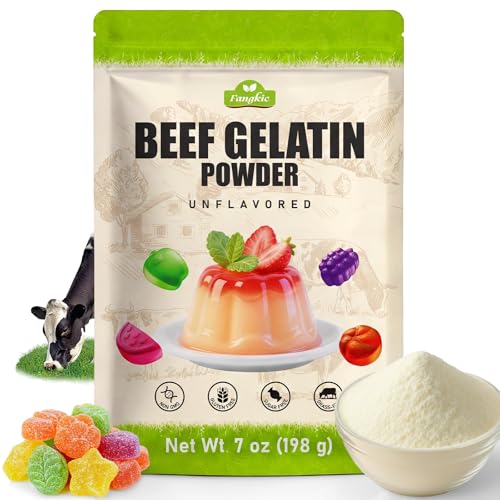
Premium Quality Ingredients: Crafted from the finest grass-fed sources, our unflavored gelatin powder is a pure thickener, it enhances both texture and nutrition in every dish

One 8 oz box of Knox Unflavored Gelatin

Prepare food and beverages you know and love with plain unflavored gelatin; No additional sweetening
Three Mistakes That Wreck No-Charger Whipped Cream
Warm cream resists whipping and results in a thin, runny consistency. Always use cold cream straight from the fridge, ideally below 10°C, to ensure stable peaks and better volume. Using warm cream causes it to deflate quickly and makes it difficult to achieve the desired firmness. Keep your cream chilled until just before whipping to prevent this issue. For best results, pair your cold cream with a reusable cup that keeps ingredients chilled during preparation. To maintain freshness, remember to clean the dispenser’s lid regularly, as residue can affect future batches.
Overwhisking or shaking the mixture too vigorously can break down the fat structure, leading to grainy or curdled whipped cream. A few firm shakes or gentle whisking are sufficient; prolonged agitation destroys the smooth texture. Stop whipping as soon as stiff peaks form to maintain a light, airy consistency.
Using incorrect ratios or overfilling your dispenser also harms the whipped cream’s texture. Too much stabilizer or dense ingredients like heavy fruit purée restrict gas expansion, weakening the foam. Always respect your fill line and balance the amount of stabilizer and mix-ins. Dense additives can weigh down the cream, so include them carefully to keep the whipped structure intact.
Better Tools for Whipping Cream Without a Charger
A stand mixer with a chilled bowl and whisk attachment is ideal for whipping cream without a charger. It handles large batches at medium speed with ease and consistency. A hand mixer with whisk beaters provides strong control for smaller portions and allows you to monitor the process closely, reducing the risk of overwhipping or turning the cream into butter. Using a moderate and steady speed with your hand mixer can also help achieve the ideal foam structure similar to that recommended for tea strainer use.
Manual techniques like using a balloon whisk offer maximum control over texture. Use a side-to-side motion rather than circular strokes for best aeration and lighter whipped cream. A food processor can whip cream quickly but requires close attention to prevent overprocessing, which can quickly turn cream into butter. For those who prefer storing leftovers, the cream can be kept fresh in a wide-mouth glass bottle for easy pouring and cleaning.
Supporting tools are also important. Always chill your bowl, beaters, and cream beforehand. Cold equipment and ingredients help the cream whip faster and maintain its structure longer. Adding powdered sugar while mixing provides extra stability. When using attachments, opt for whisk-style beaters over paddles, as they produce better aeration and volume. For a simpler alternative, home cooks can use a garlic press to quickly break down cloves without needing a separate chopping board.
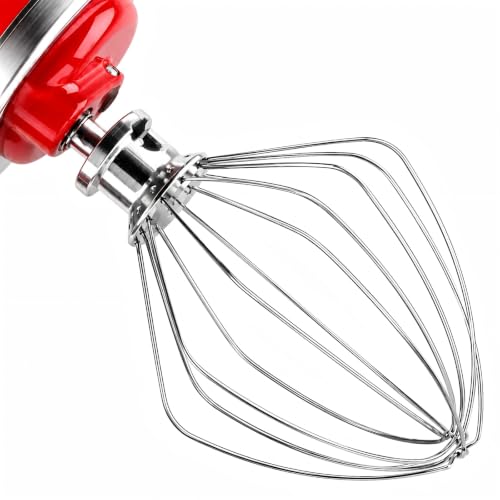
Compatible with 4.5-5 Qt tilt-head stand mixers. Works with Artisan, Classic, Classic Plus and more.

STAINLESS STEEL WIRES the 6 wires are made from premier 18/8 (304) stainless steel, which is rustproof and corrosion resistant

THE ULTIMATE STAND MIXER ACCESSORY: wipe your stand mixer whisk and bowl in seconds
When It’s Worth Buying a Nitrous Oxide Charger
Buying nitrous oxide chargers makes sense if you use whipped cream frequently, as the initial and ongoing costs quickly become economical. A typical 8-gram charger yields about one pint of whipped cream and allows precise portion control with a dispenser. You can easily infuse flavors—just add extracts or spices to customize your cream in seconds—thanks to the convenience of the charger system. For those prioritizing kitchen efficiency, the same principle of choosing quality and performance applies when selecting a salad spinner. For regular dessert service, the ease and speed of dispensing on demand justify the expense. Buying chargers in bulk reduces the per-use cost significantly, making them ideal for commercial kitchens or high-volume home use. Store unused chargers upright in a cool, dry place away from heat sources; they remain effective for up to 7 years when sealed properly. Avoid damaged or punctured chargers to ensure safety and performance. The system outperforms manual hacks in speed, consistency, and ease, especially when serving whipped cream frequently.
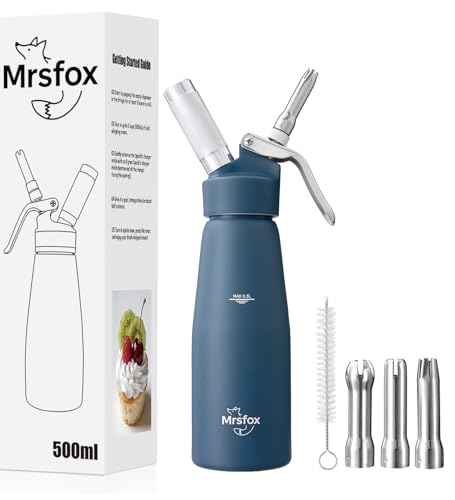
【Whipped Cream Maker Set】You will get a whipped cream dispenser, 3 stainless steel decorating tips, a metal charger holder,a small cleaning brush, and a storage bag.N₂_O chargers NOT included. Compatible with all brands of 8-gram N₂_O cream chargers.

Premium Cream Chargers for Smooth Results: Designed to deliver rich, fluffy whipped cream and stable culinary foams with consistent performance every time. Perfect for desserts, coffee, cocktails, and gourmet creations.

WHIPPED CREAM CHARGERS FOR KITCHEN USE – Create fresh whipped cream for cakes, pastries, desserts, and specialty beverages with these 8g N2O cream chargers. Designed for culinary applications only. Do not inhale contents. Keep pressurized cartridges out of reach of children.