
If you’re tired of wasting juice or struggling with hand-squeezing, a DIY lemon squeezer can boost your efficiency by up to 35%.
With simple tools and a little prep, you can achieve up to 95% juice extraction and enjoy fresher, tastier lemonades.
Keep reading to learn how to create your own effective squeezer at home.
Why Build Your Own Lemon Squeezer
Building your own lemon squeezer can yield 20% to 35% more juice than hand-squeezing, reaching an extraction efficiency of 90% to 95%. This means you’ll get more liquid from fewer lemons, reducing waste over time. A manual press also minimizes heat and oxidation, helping preserve the bright, fresh flavor of your juice—ideal for dressings, baking, or finishing dishes. Plus, you can customize your build to fit different citrus varieties, from limes to small oranges, ensuring a perfect fit and consistent performance every time. Overall, better extraction, less waste, and higher-quality juice make building your own squeeze press a smart choice. For a similar approach to maximizing yield, some commercial methods use a cold brew can to produce concentrated extracts. Using an immersion blender to pre-break the fruit pulp can further improve juice yield by breaking down fibers for more efficient pressing. This tool functions as a versatile blending tool that can also be used for pureeing soups or sauces.

Squeeze Out Every Last Drop: Our citrus press extracts maximum juice while keeping seeds out of your glass and minimizing pulp. The generous 5-inch diameter bowl is designed primarily for citrus, handling everything from small limes to large grapefruits, so you can juice lemons, limes, oranges, and grapefruits with one reliable tool

SQUEEZE OUT EVERY DROP OF JUICE: Our 2-in-1 lemon squeezer won’t waste a single drop from your favorite fruit; we have designed this lime juicer to be easy on hands. Watch limes, lemons, and small oranges beg for mercy, even with a soft squeeze; the holes at the bottom of the citrus juicer serve as a seed filter to prevent the pulp and seeds from getting in your way
Tools You Need for a DIY Citrus Press
Having the right tools on hand makes assembling your citrus press easier and safer. You’ll need basic woodworking equipment: a measuring tape to mark your cuts and placements accurately, a saw for cutting your wood or boards, and a drill to create precise alignment holes. Sandpaper helps smooth edges and prevent splinters. For the press structure, a hacksaw is useful for trimming threaded rods, and a wrench tightens nuts and washers securely. A rubber mat can prevent slipping during pressing, while a measuring jug collects the juice effectively. Using these tools ensures your DIY citrus press comes together smoothly and functions well. Additionally, ensuring your homemade press components are free from sharp edges or metal shavings is important to avoid ingestion risks similar to those associated with poorly manufactured metal straws. Consider also reviewing straw lid quality if you plan to reuse a commercial hydration top for your homemade juicer. For a durable and safe pressing surface, you might also compare the performance and value of a commercial ceramic tumbler with lid to see how its materials handle repeated use and cleaning.

Designer: Kuno Prey
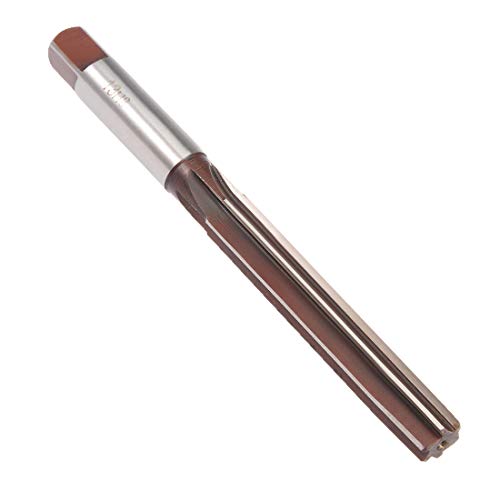
9SiCr Alloy Tool Steel Reamer: Accuracy: H8; Cutting Diameter: 13mm / 0.51"; Tool Flute Length: 75mm / 2.95"; Square Shank Size: 10mm / 0.4"; Overall Length: 140mm / 5.51". The reaming bit has excellent hardness, wear resistance, good toughness, high-speed capability.

Wooden Lemon Juicer Squeezer Reamer Citrus Squeezer Extractor, Buy a manual juicer, you can squeeze juice at home.
How to Make a Wooden Handheld Lemon Press
Using your tools and materials, you can craft a handheld wooden lemon press. Start by selecting suitable wood—untreated hardwood like oak provides strength, while softer pine keeps the build lightweight. Cut a 1-meter length of 50 by 30-millimeter timber into two arms: one for the lever and one for the base. Design the handles to fit comfortably in your hand, shaping them ergonomically for one-handed use. Sand all surfaces thoroughly, progressing to finer grits to eliminate rough spots and prevent splinters. Carve a slight depression into the pressing surface that matches the curve of a lemon half, and add shallow grooves to direct juice away from the handle. This manual craftsmanship approach ensures the tool fits naturally in your grip. To maximize performance, look for best copper tumblers with lids to store your freshly squeezed juice. For dairy-based lemon desserts, choose heavy cream with high fat content to ensure rich texture and stability. Drill a small pivot hole near the center of each arm and assemble everything with a bolt, ensuring smooth movement. Finish by applying a food-safe paraffin coating to protect the wood and enhance durability. Your homemade press will deliver efficient, even squeezing with minimal slipping. If you lack a commercial tool, you can also roll the fruit firmly on a countertop before pressing to help break internal membranes.

Long Lasting: The teakwood used in this juicer's construction is solid, sturdy, and long-lasting. Teakwood is known for its exceptional strength and durability, which means that this juicer can withstand daily use without showing signs of wear and tear. You can rely on this juicer for many years with its durable construction.

Exquisite 3D Gel Nail Art & Design – These handmade press on nails showcase stunning 3d gel nail art, featuring intricate flowers, pearls, shells, and starfish elements. The vibrant floral Press on Nails with Design create an elegant ocean and garden theme, perfect as summer nails or spring nails.

Trendy Nail Art: Each false nails set comes complete with a box, Jelly nail adhesive, double-sided nail file, wooden stick Kit, They are perfect for decorating your nails and adding a touch of style to any outfit.
Fold a Plastic Squeezer From a Template
To create a functional plastic squeezer from a template, you need an A4 sheet of at least 1 mm thick polypropylene. This thickness ensures the squeezer can withstand pressure without cracking. Place your printed template underneath the sheet and trace the design with markers, using black for cut lines and green or red for fold lines to distinguish them clearly. Carefully cut the main shape with a craft knife, puncturing small circles and rotating the blade as needed. Lightly score along the fold lines on one side, then flip the sheet over and cut along the same lines on the reverse to facilitate accurate folding. Fold the plastic along the scored lines, taking care to create smooth, precise hinges without fasteners. Lock the cutout tabs together to secure the shape, then clean off any marker residue to prepare your squeezer for use. For an efficient juicing workflow, consider pairing this with a quality personal blender to quickly blend and mix fresh citrus juice. For larger batches, a high-performance slushie machine can chill and blend citrus mixtures into frozen drinks with consistent texture. A similar leverage principle is used by garlic presses to crush cloves through small holes by applying force at the handles.
Cut Your Lemon Right for More Juice From Your Press
Cutting your lemon crosswise is essential for maximizing juice extraction. This method exposes the widest interior surface, allowing your press to sit flat and stable, which makes squeezing easier. Trimming both ends first adds extra stability and prevents slipping during juicing. Cutting in this direction also helps you control the retention of seeds and reduce bitterness from the pith. Using clean halves keeps seeds apart, simplifying removal, while shallow cuts into the albedo prevent bitter flavors from leaching into your juice. Warm lemons, rolled gently before cutting, release more juice, and a sharp knife ensures clean, precise cuts that don’t crush the fruit’s cells. Crosswise halves match standard manual juicers perfectly, minimizing slippage and ensuring you get every drop. For consistent, even slices that extract efficiently, the same principle of uniform thickness applies as with a mandoline slicer’s adjustable blade, which allows you to control cut depth for optimal juice release. If you are also concerned about the utensils used, be aware that most paper straws do not contain gluten, though trace amounts may exist from shared manufacturing facilities.
Get More Juice With Tongs, Forks, and Strainers
To maximize juice extraction from a lemon, use a pair of kitchen tongs instead of a specialized press. Place a lemon half cut-side down between the arms of the tongs, then squeeze the handles firmly. Rotate the lemon between squeezes to press different areas, which helps extract more juice without crushing the rind. Position a fine-mesh strainer underneath to catch seeds and membrane bits, allowing the clear juice to flow through easily. For an even better yield, insert a fork into the pulp and twist while squeezing. This ruptures juice sacs and releases trapped liquid, potentially boosting your juice output by up to 20%. Move the fork around to access more sections, then repeat the poke-and-twist process. After squeezing, use a spoon to press leftover pulp against the strainer mesh, extracting every last drop. Combining fork agitation with the tong pressure and rotating the lemon ensures thorough extraction and maximum juice. For a larger batch, consider using a best juicer machine that automates the process. Since your active squeezing takes only a few minutes per batch, the machine itself can safely run without any downtime for continuous pressing, though you should still pause every 30 minutes to let the motor cool briefly. To replicate the manual fork-twist technique in a machine, simply pulse the blender in short bursts to avoid overheating the motor.

Two-in-One Kitchen Tool: Combines a fine mesh strainer with a gripping tong in one manual utensil, letting you lift, hold, and drain compatible foods without switching between separate tools

3 SIZES FOR EVERY JOB — Diameters of 3.125 in., 5.5 in., and 7.875 in. ladder from tea steeping to a full stockpot strain. Different scales ensure you have the right strainer for rice, stock, sauce, and more.
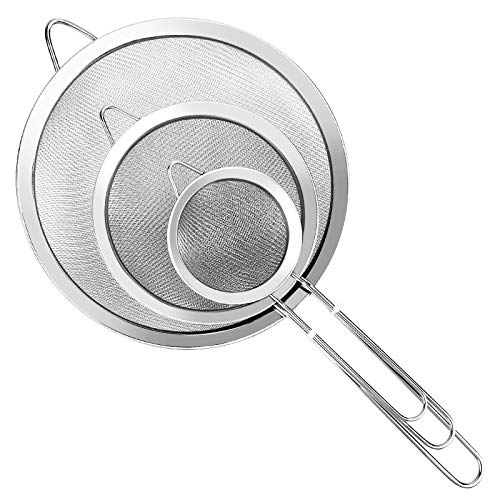
Three Graduated Sizes: This colander set includes three strainers in multiple sizes, a 3.15 inch mini strainer fine mesh, a 5.5 inch small strainer and a 7.87 inch large strainer with a deep bowl
Soften Your Lemons Before You Squeeze: Here’s How
Keeping lemons at room temperature makes squeezing easier. Cold fruit has firmer flesh that resists pressure, so allowing them to sit out softens the pulp naturally. If you’re pressed for time, immerse whole lemons in warm water—not boiling—for a few minutes. You’ll notice the skin warm and the flesh loosen. For quicker results, microwave them for 10 to 25 seconds, then let them rest briefly. This short heating breaks down internal membranes while preserving flavor. Gently applying even pressure with your hands can further soften the interior without cracking the peel, making each squeeze more efficient. For a completely equipment-free approach, you can pour the juice into a silicone ice cube mold as a simple substitute for a standard tray. For lemon-based drinks, consider using paper straws as an eco-friendly alternative to plastic.
3-Step Hack: Roll, Warm, Then Puncture for Mess-Free Juice
Rolling, warming, and puncturing are key steps to extracting juice cleanly and efficiently from a lemon. First, firmly roll the lemon on the counter for about 10 to 15 seconds. This loosens its internal membranes, making it easier to squeeze out more juice. Choose lemons that feel heavy for their size to ensure maximum juice yield from the start. Next, warm the fruit by popping it in the microwave for 10 to 20 seconds or submerging it in warm water. Softening the flesh enhances juice flow and consistency, especially when the lemon is fresh and firm. Finally, puncture one end with a skewer to create a small, controlled opening. This directs the juice in a thin stream, reducing splatter and mess. Using gentle pressure throughout prevents tearing or crushing the fruit prematurely. These steps work best with fresh, firm lemons to maximize juice yield and maintain clean, easy extraction.
Combine Hacks for the Fastest, Cleanest Juicing
Combining hacks maximizes your efficiency for the fastest, cleanest lemon juice. Start by washing and thoroughly drying your lemons to prevent water from diluting the juice. Cut the lemons pole-to-pole to maximize the release of juice. Use a manual press or an electric citrus juicer to apply steady, moderate pressure over a fine-mesh strainer. This setup catches seeds and pulp as the juice flows, keeping your output clear and tidy.
Strain directly into a bowl to collect pure juice for flavor or use for recipes. With a spoon, scrape pulp from the strainer to avoid waste and preserve flavor. Stop pressing when the flow slows down, usually after about 15 to 20 seconds, to prevent extracting bitter pith. For storage, pour the freshly strained juice into airtight containers immediately, which helps preserve freshness and prevents contamination. Combining these steps minimizes mess, boosts yield, and ensures crisp, spray-free lemon juice with every squeeze.