
If you’re wondering how to find a tumbler that keeps your drinks hot or cold all day without leaking or tasting metallic, you’re in the right place. The key is choosing a model made from 304 stainless steel with proper insulation and a secure lid.
Whether you want a 30 oz size for daily use or a 40 oz for longer outings, understanding build quality, size, and lid design can make all the difference.
Keep reading for the full scoop.
Which Tumbler Size (20, 30, or 40 Oz) Fits Your Daily Routine?
A 30 oz tumbler often strikes the best balance for your daily routine. It holds enough liquid to keep you hydrated through most workdays or errands without being overly bulky. This size typically requires fewer refills than a 20 oz model, reducing interruptions, but remains compact enough to carry comfortably or fit in standard car cup holders. If you have longer days outdoors or tend to drink a lot at once, a 40 oz tumbler ensures you stay refreshed without constant reloading, though it adds extra weight and size. When choosing, consider your activity level, how often you want to refill, and whether portability or capacity is more important to your lifestyle. For those seeking the best value, a 40 oz tumbler with handle offers excellent capacity without sacrificing comfort. For those also making homemade oat milk, using a nut milk bag ensures a smooth extraction without pulp. Knowing when to use a garlic press versus a grater can similarly depend on your specific kitchen routine and texture preferences.
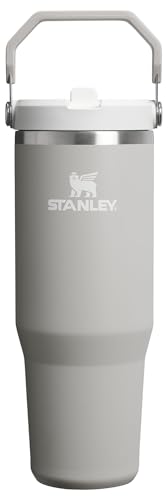
Sip Faster, Spill Less: The Flip Straw 2.0 lid is designed for quick hydration. Just flip up to sip and snap it shut for a leak resistant seal. Perfect for your bag, commute, or workout.

TUMBLER WITH HANDLE & STRAW LID: The Trek pairs an ergonomic handle with a straw lid, so it's easy to carry from the car to the desk to the gym, one hand free the whole way.

BUILT TO HOLD TEMPERATURE: The Rambler 30 oz is built around double-wall vacuum insulation, a sealed chamber between inner and outer walls of 18/8 stainless steel that locks in temperature from first pour to last sip; your iced coffee stays ice-cold through a full morning, and your hot coffee stays piping hot well into the afternoon without any external heat source
How Vacuum Insulation Affects Your Tumbler’s Hot and Cold Retention
Vacuum insulation significantly enhances your tumbler’s ability to retain hot and cold beverages. It works by trapping two stainless steel walls with a sealed, airless gap between them. Because there are no air molecules in this gap, heat transfer through conduction and convection is effectively stopped. Some designs also feature reflective inner surfaces that bounce radiant heat away, further improving insulation. For those seeking the best performance, a best juicer machine for orange juice often uses similar vacuum technology to maintain freshness. Using a sharp blade as recommended when mastering a vegetable slicer ensures clean cuts, just as a precise lid seal is crucial for optimal tumbler performance. High-speed blenders utilize similar vacuum technology to reduce oxidation and keep ingredients cool during blending.
For hot drinks, a vacuum-insulated tumbler typically keeps contents warm for 6 to 12 hours, depending on how well the lid seals. Cold drinks often stay icy for 12 to 24 hours, as the vacuum layer slows down external heat from entering. Keep in mind, however, that the lid’s design and opening size are critical—any weak points here can reduce overall performance by allowing heat to escape or enter more easily.
What to Look for in a Leak-Proof Tumbler Lid That Actually Works?
A leak-proof lid must provide a reliable seal to prevent spills and seepage. Look for a lid with a silicone gasket that compresses evenly against the rim, creating a continuous seal around the entire opening. The gasket should be made of food-grade silicone and be thick enough to maintain flexibility and compression over time. Ensure the sealing surface on the lid is smooth and flat; any bumps or gaps can compromise leak resistance. For the drinking port, choose a flip cover or valve that fully seals when closed—small straw holes or openings can become leak paths if not properly sealed. Verify that the threads on the lid fully engage with the tumbler and that they compress the gasket evenly. Partial tightening or cross-threading can break the seal, so always screw the lid on completely and securely. Just as you would avoid cross-threading when securing a chopper blade, careful alignment ensures a consistent seal. For optimal fit and leak-proof performance, stick to brand-specific lids designed specifically for your tumbler model. To maintain the seal’s effectiveness, clean the silicone gasket regularly to prevent buildup that can degrade its compression. When evaluating options, consider that the best wine tumblers often prioritize lid designs with a thick silicone gasket for reliable, everyday use.

SIZE& QUANTITY:Includes 10pcs silicone gaskets with 2mm thickness, Fits regular mouth mason jar lids (1.57" OD / 1.18" ID)

Friendly: As replacement gaskets for food lids, each 5meter silicone rubber gaskets seal can be reused multiple times, supporting kitchen practices and reducing frequent gasket replacement costs

Mrs. Anderson’s Baking Replacement Gasket Seals: Create airtight, liquid-tight jars for safer preserving, longer-lasting freshness, and organized storage; set of 4 reusable canning rings
Why 304 Steel Keeps Your Drink Safe (and Tasting Clean)
304 stainless steel, often labeled 18/8, keeps your drink safe because its chromium content creates a passive oxide layer that protects against corrosion. This layer prevents metal from leaching into your beverage and ensures your tumbler remains safe for coffee, tea, and acidic drinks like citrus juice. You won’t notice a metallic taste because the stable surface minimizes interaction with your drink. Lower-grade steels may cause taste issues, but genuine 304 steel resists corrosion and leaching effectively. Testing shows nickel migration stays well below safety limits, making metal leaching unlikely when using food-grade materials. Additionally, the self-healing oxide layer repairs minor scratches, maintaining the protective surface over time. This makes 304 steel a reliable choice for clean, safe flavors from start to finish. You can even use the same tumbler for cold brew coffee stored in a can without worrying about flavor contamination. Similar protective principles apply to tea infuser bottles made from 304 steel, ensuring your water remains safe and free from lingering metallic residues. For added convenience, you can store tea leaves directly in a shaker bottle with storage to keep your drinks fresh on the go.
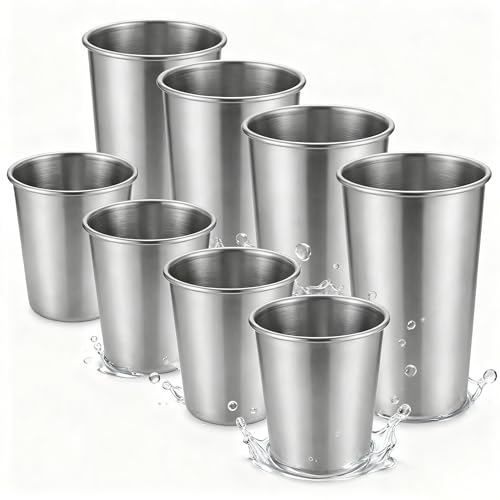
【Farielyn-X 8-Pack Value】Complete Family Drinking Set - This smart set includes 4 kid-friendly 8oz cups and 4 adult-size 16oz pint tumblers—perfect for serving the whole family at home or on the go. No more mixing and matching; you get a ready-to-use collection for every need.

1. Food-Grade 304 Stainless Steel: Constructed from food-contact-grade 304 stainless steel, this product strictly excludes harmful substances like BPA, ensuring maximum peace of mind for the entire family during use.

LONG-LASTING TEMPERATURE RETENTION — Crafted with premium food-grade stainless steel & double-wall vacuum insulation, this 20oz insulated tumbler retains heat up to 6 hours and cold for 9 hours under normal room temperature. Sweat-free outer surface prevents water rings on desks, tables and car consoles, no messy condensation during daily use.
How to Check a Tumbler’s Build Quality Before You Buy
To check a tumbler’s build quality before buying, start by assessing its overall weight. A solid, well-made tumbler should feel substantial; if it feels too light or hollow, it could indicate poor construction or thin walls. Examine the base to ensure it sits flat without wobbling—this stability is a sign of good manufacturing. Run your finger along the weld seams; they need to be smooth and continuous, with no gaps or rough spots that could suggest shoddy finishing.
Perform a thermal test by filling the tumbler with hot liquid. The outer wall should remain cool to the touch, confirming that the vacuum chamber and insulation are effective. Models that feature an attached handle improve grip and everyday usability. Check the lid for proper threading—turn it smoothly without wobbling—and verify that the sealing ring sits flush without twists. Invert the tumbler to see if it drips; zero leakage indicates a proper seal. For similar performance, look for a lid design featuring a smooth straw opening that prioritizes quality and value.
Assess material durability by tapping on the body— a dull sound usually signifies solid, durable material, whereas a ringing tone may point to thinner or cheaper walls. Inspect the exterior for even coating, free from peeling, chips, or misaligned logos. Scratches around the rim or base can reveal rough finishing. Lastly, make sure all accessories, like extra seals or straws, fit snugly without loosening, so you avoid surprises after purchase. For a broader perspective, you might also compare these features against the ceramic tumblers with lids that prioritize quality and value.