
If you’ve ever struggled to get evenly sized matchstick strips from vegetables, you’re not alone. A mandoline slicer with a julienne blade makes this task much easier, ensuring consistent results every time.
By mastering the correct technique, you can quickly produce crisp, uniform julienne pieces perfect for salads, stir-frires, and more.
In this guide, you’ll learn simple steps to lock in your blade, select the right produce, and glide with steady pressure. Keep reading to transform your veggie prep and unlock more slicing possibilities.
Gather the Right Gear for Julienne Cuts
To properly gather the gear for julienne cuts, start by securing your mandoline’s julienne blade tightly into place, ensuring it matches the thickness of the strips you want to create. Always use the included food holder or handguard to keep your fingers away from the blade; never rely on bare hands to hold food during slicing. Wearing a cut-resistant glove adds an extra safety layer, but it should never replace the use of the holder. Place your mandoline on a stable, non-slip surface to prevent any shifting during use. When handling blades, only grasp them by their plastic grips to avoid cuts and handle them carefully during setup and cleaning to prevent contact with sharp edges. For convenient hydration while prepping, a best zak tumbler with a straw keeps your drink accessible and safe from spills. After finishing, always store blades with blade covers or guards to minimize the risk of accidental injuries when reaching for your tools next time. For fresh orange juice, consider using a best juicer machine that efficiently extracts pulp-free liquid without straining your equipment. A 30oz tumbler holds enough liquid to keep you hydrated throughout extended prep sessions.

Set includes: Mandoline Slicer with Zirconia Ceramic Blade; Julienne Slicer with Zirconia Ceramic Blade; Grater; Storage Container and Safety Handguard.
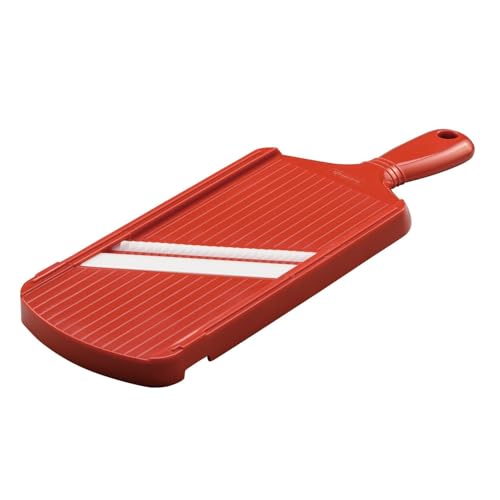
The ultra-sharp blade is made from Kyocera's very own proprietary zirconia material produced in Japan for exceptional quality.
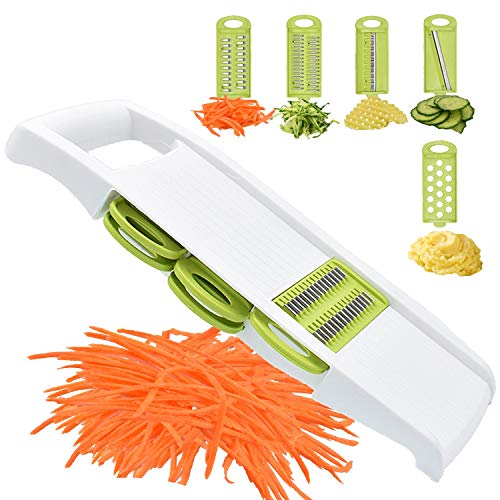
[Easy Prep] Easy to set up and designed for quick slicing, grating, and shredding, this versatile tool handles everything from slicing veggies to grating ginger. With razor-sharp blades for effortless cutting.It is an affordable multi-function mandoline slicer for enhancing your salads and simplifying meal prep
Pick Firm Vegetables for Clean Julienne Strips
The best vegetables for clean julienne strips are firm and low in moisture, such as carrots, bell peppers, and beets. These vegetables resist squashing and tearing, helping you produce straight, uniform matchsticks. Choose produce that feels heavy and dense, as this indicates freshness and firmness.
Avoid soft spots or wrinkling, which are signs of overripe or watery vegetables like tomatoes or overripe zucchini. Soft produce tends to crush or tear instead of slicing cleanly, making it harder to achieve professional-looking julienne strips. Vegetables with a crisp, dense texture travel smoothly across the blade, reducing ragged edges and wasted effort. For consistent results, select vegetables that hold their shape and higher moisture content, ensuring clean, even cuts every time. When comparing options, prioritize dense produce over cheaper, softer alternatives, as the best picks for quality and value typically come from firmer crops that yield more usable strips per vegetable. As with any kitchen task requiring precision, sanitized bottles help maintain a hygienic workspace, just as they do for a safe kombucha brew. Maintaining a tidy prep area is also easier when you store your tools in a quality shaker bottle with storage to keep everything organized and within reach.
Lock in the Julienne Blade and Adjust Thickness
To lock in the julienne blade, insert it fully into its designated slot until the teeth sit flush with the cutting surface. Then, turn the adjustment knob clockwise until it clicks to ensure it is securely locked. Confirm that the blade sits firmly; a loose blade can shift during slicing, ruining the consistency of your strips. This secure fit is a crucial safety measure, preventing accidental movement that could cause uneven cuts or injuries. For best results, choose a model that ranks high in quality, performance, and value. Additionally, a colander is often used to rinse julienned vegetables before cooking, making it a useful kitchen tool for preparing clean strips. For those who also enjoy frozen drinks, a top-rated slushie machine can offer similar performance and value for consistent blending results.
Next, set the thickness for your desired strip size. Turn the thickness dial clockwise for thicker strips or counterclockwise for thinner ones. Most models accommodate a 1 to 3 millimeter range, suitable for matchstick-style cuts. Use the markings on the frame as a reference to replicate the same setting later. Before slicing a full batch, test the blade with a small piece of produce to verify the strip size. Always recheck the lock and the thickness setting after adjusting to maintain consistent results. Proper blade maintenance and secure locking ensure clean, uniform strips throughout your session.

An innovative mandolin slicer that will make you addicted to chopping: It is equipped with 6 interchangeable razor-sharp blades for effortless ingredient preparation. The expanded hand guard ensures the safety of your fingers, while its detachable design facilitates easy cleaning. The food collect container of the vegetable slicer features a scale for precise measurement of ingredients, and has been reinforced to enhance overall durability.

Straight blades for slicing and julienne blades for French fries and julienne strips

4 Thickness Settings - The only handheld mandoline slicer for kitchen with 4 adjustable thickness options (1mm, 2mm, 3mm, 4mm). This vegetable slicer gives you precise control competitors can't match. Perfect cuts for every recipe from paper-thin to thick slices.
Always Use the Hand Guard for Safe Slicing
Always use the hand guard for safe slicing. When the julienne blade is locked and your thickness is set, your focus should immediately shift to the hand guard—your primary safety device. Keep it attached during every pass; it is not optional. Position the produce fully inside the guard to ensure a secure fit. This creates an essential barrier between your fingers and the blade, emphasizing hand guard safety. This hand guard is made from durable premium plastic that acts as a finger protector to prevent accidental cuts. For additional guidance, consult the top instruction books for Cuisinart ice cream makers, which emphasize proper safety techniques. For more consistent results, consider using a reusable cup with a secure lid and straw to hold your julienned produce. For powerful blending of your julienned ingredients, a KitchenAid K400 blender with tamper offers superior quality and performance.
For proper hand placement, keep your fingers curled behind the guard at all times. Never reach forward to complete a short piece; finish your cut before the food becomes unsafe to handle. Use steady, controlled movements while slicing. Rushing motions can increase the risk of slips and cuts. The guard is not just helpful—it is crucial for preventing severe injuries. Treat it as your protective barrier from the first slice to the last, and avoid unnecessary risks by always prioritizing safety.

Suitable for all Börner V-slicers and graters

PROTECT YOUR FINGERS WHILE COOKING — Designed for home cooks who want to grate, slice, and chop without the fear of cuts and nicks. Whether you’re meal-prepping for the week or teaching a teenager basic kitchen skills, this finger guard creates a safe barrier between your hand and the blade. No more hesitation—just confident, worry-free food prep
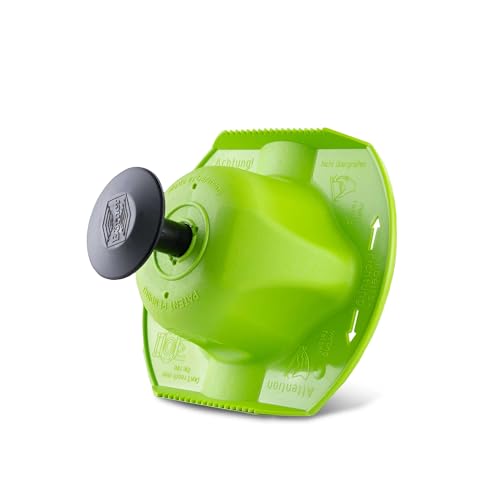
Suitable for all Börner V-slicers and graters
Glide With Even Pressure for Uniform Matchsticks
To glide your produce evenly across the mandoline, maintain a smooth, continuous motion from start to finish. Avoid jerky starts or stops, as a steady rhythm ensures consistent cuts. Let the blade do the work by applying gentle, even downward pressure—pressing too hard can crush the produce and cause uneven strips. Consistent pressure during each pass produces uniform matchsticks every time.
Keep your food stable and properly aligned against the cutting surface to ensure the blade cuts at a uniform depth. Repeating the same glide path and pace minimizes variation between batches. For safety and precision, never rush or push harder at any point, as control is key. Using thicker or thinner julienne inserts requires a steady stroke for best results. Remember, smooth motion combined with even pressure is essential for achieving professional-looking, uniform matchsticks. This technique mirrors the steady rhythm used when operating a Magic Bullet for blending, where consistent speed yields even results. Choosing a durable tool, such as one with a bamboo lid, can enhance your grip and stability during repeated use, much like the quality construction found in top-rated kitchen accessories. For tasks requiring fine, even strips, a lemon squeezer is not the appropriate tool, as it is designed for citrus rather than slicing vegetables.
Fix Uneven Cuts and Blade Clogs Easily
To fix uneven cuts and blade clogs quickly, start by checking your produce preparation. Uneven cuts are often caused by food that isn’t seated properly or ends left unsquared. Always square off your vegetables and lock them securely in the holder before slicing. Also, verify that your blade’s depth and thickness settings match your intended cut size to ensure consistent julienne slices.
Blade clogs are usually due to starch or fiber buildup, especially with potatoes or carrots. You’ll notice this as sticking, rough slices, or increased resistance during slicing. Address it by cleaning the blade regularly with a soft nylon brush after every few slices to remove debris. Keep the cutting deck free of residue so produce can glide smoothly through the blades. A sharp, clean blade combined with proper produce prep will resolve both uneven cuts and clogging issues efficiently. Just as with a mandoline, regular cleaning with a soft brush prevents residue buildup that can clog your modern straw lid’s narrow openings.

PRECISION MANDOLINE SLICER FOR KITCHEN: Dial in even, uniform cuts with one adjustable knob; 6 thickness levels pair with 4 interchangeable blades for 36 slice settings, so every dish gets the exact cut it needs from one stainless steel mandoline

Specially designed to clean the nooks and crannies of clippers and trimmers
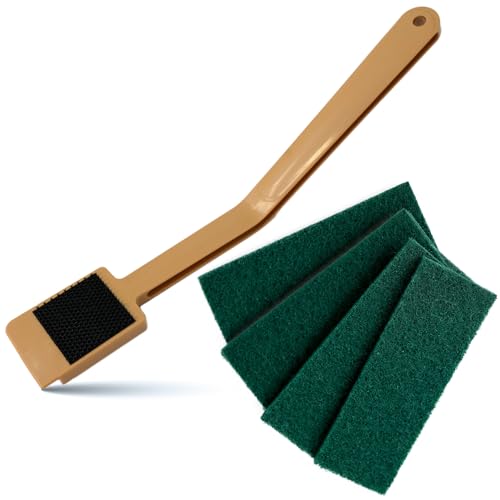
KLEEN HANDLER EZ SCRUB-SLICER CLEANING COMBO: Complete cleaning kit includes EZ Scrub-Slicer cleaning handle(s) with matching scrub pads for safe and effective cleaning of electric slicers, deli machines, and mandolin slicers.
Use Julienne Strips in Salads, Stir-Fries, and Garnishes
Once you’ve perfected the skill of making even, clog-free julienne strips, you can incorporate them into salads, stir-fries, and garnishes with ease. For salads, toss matchstick carrots or beets into mixed greens; their uniform size ensures even dressing distribution and delivers a crisp, delicate bite. In stir-fries, add julienned bell peppers and celery to the hot wok; they cook quickly and remain distinct, making them ideal for high-heat flavor pairings with soy or ginger. For garnishes, use bright strips to add color contrast and visual interest atop soups or plates. Their narrow shape makes them easy to eat and light in appearance, providing consistent texture whether raw or cooked.
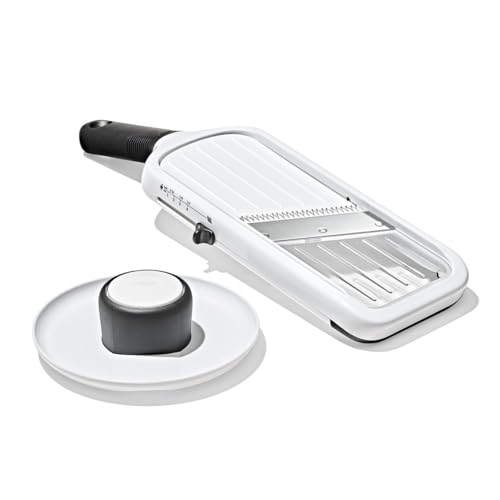
Precision slicing control: Designed as a mandoline slicer for kitchen use, this handheld tool offers five cutting options, including julienne, thin, medium, thick and extra thick

ADJUSTABLE SLICE THICKNESS: Choose from 1 mm, 2.5 mm, or 4 mm thickness settings to create consistent slices of vegetables and fruit for salads, sides, sandwiches, and more

Greatest Functionality on the Market – This 5-cup, large-capacity mandoline slicer features 6 interchangeable blades to meet all your slicing and grating needs. Create zoodles, vegetable pastas, and beautiful garnishes with ease — a useful gift and one of the most versatile kitchen gadgets for healthy meal prep.