
Struggling to rinse quinoa without a fine mesh strainer? It’s easier than you think.
You can clean the grains effectively using simple household tools and a quick technique that gets rid of bitter saponins and leaves your quinoa fluffy.
Keep reading to discover the easiest hacks for rinsing quinoa mess-free and thoroughly.
Why Rinsing Quinoa Actually Matters
Rinsing quinoa is essential to remove saponins, the bitter, soapy coating that naturally protects the seed but can ruin your meal. Skipping this step means you’ll taste that bitterness, which masks quinoa’s mild, nutty flavor. Saponins aren’t nutrients—they’re just a natural irritant—so rinsing doesn’t cause nutrient loss but improves the overall taste.
A quick rinse also helps prevent digestive issues like bloating or nausea, especially for sensitive stomachs. Rinsing every grain ensures your cooked quinoa stays smooth and free from soapy residue, resulting in a cleaner, more intentional flavor. It’s a simple step that dramatically enhances the eating experience without extra effort or added ingredients. For those without a dedicated strainer, the same practical workarounds used to juice an orange without a juicer can be applied to rinsing quinoa using household tools like a colander or cheesecloth. For those who also enjoy fresh juice, using one of the best juicer machines can streamline your morning routine. A high-powered blender can also efficiently blend smoothie bowls after your quinoa is perfectly rinsed.
Tools You’ll Need Instead of a Fine Mesh Strainer
If you don’t have a fine mesh strainer, you have plenty of effective alternatives. Using a cheesecloth or a clean, lint-free dish towel works well; simply line a colander with it, rinse your quinoa under cold water, and then gently massage the cloth to trap the grains. This process helps remove bitter saponins while preserving tiny seeds, supporting both flavor and nutrient retention. For a similarly effective approach, you can apply the same gentle massaging technique used for blue bottle cold brew to ensure thorough rinsing. For example, the same principle of removable filtration seen in top nut milk makers allows you to separate solids from liquids efficiently without a dedicated strainer. To further ensure you get the best results, consider using a high-quality 40 oz tumbler with handle to hold your rinsed quinoa for convenient draining.
A nut milk bag is another great option—fill it with quinoa, rinse thoroughly, squeeze out excess water, and reuse. For smaller batches, a coffee filter inside a dripper can catch quinoa effectively but drains slowly. You can also use a French press as a rinsing chamber: add quinoa and water, then plunge and drain repeatedly. Even a standard colander can do the job when lined with a cloth or filter.
Each of these tools keeps your quinoa secure and ensures you remove impurities without losing nutrients, allowing you to achieve maximum flavor and health benefits without relying on a fine mesh strainer.
The Bowl-and-Pour Method: No Special Tools Required
If you don’t have specialized straining tools, the bowl-and-pour method allows you to rinse quinoa using just a large bowl and your hands. Start by placing dry quinoa in a wide bowl and covering it with several inches of cold water. This extra water helps loosen the bitter saponins that coat the grains. Stir briskly for 10 to 15 seconds until the water turns cloudy. Then, tilt the bowl slowly to pour off the cloudy water, blocking any grains from escaping with your hand—this careful pouring is essential for controlling the flow in a simple kitchen setup. Refill the bowl with fresh cold water and repeat the process. Continue rinsing until the water remains clear, which usually takes 2 to 3 cycles. Finally, let the quinoa drain thoroughly before cooking, as excess moisture can affect the texture of your finished dish. Proper drainage ensures a lighter, fluffier result. No special tools required, just a little patience and a steady hand.
Use a Cloth Pouch for Mess-Free Rinsing
Using a cloth pouch is an effective and mess-free way to rinse quinoa when you don’t have a strainer available. Choose a cheesecloth, nut-milk bag, or a clean cotton cloth— even a white T-shirt works in a pinch. Place the dry quinoa in the center, gather the edges, and twist the top tightly to secure the pouch. Run cold water over it for about a minute, gently massaging the cloth to ensure water passes through all the grains. This method removes the bitter saponins without losing any seeds. After rinsing, give the pouch a gentle squeeze to remove excess water before cooking. To keep your kitchen tidy and your quinoa clean, avoid applying strong water pressure or using loosely woven fabrics that might let grains escape. This technique mimics the consistent thickness that a mandoline slicer provides for even cooking. For a similar level of precision in your kitchen tools, consider how reviewers prioritize the perfect sip when choosing drinkware, ensuring every detail enhances the final experience. Be sure to wash and dry the cloth promptly after use so it’s ready for your next batch.
Rinse Quinoa in a Coffee Filter or Basket
If you don’t have a fine-mesh strainer, a coffee filter or basket-style dripper works well for rinsing small batches of quinoa. Line the basket with a clean paper filter and add your quinoa. Gently run cold water over it while swirling the grains with your fingers to loosen the saponins. Rinse until the water runs less cloudy, which usually takes about 30 seconds to 1 minute. This process helps remove bitterness and improves texture by preventing a gummy or overcooked result. Keep the water flow steady but gentle to avoid tearing the filter. Be sure to drain the quinoa thoroughly before cooking to prevent excess water from affecting the final dish. This method is ideal for small portions and minimal tools, but avoid large batches as they can clog or tear the filter easily. For keeping kitchen tools clean and fresh, regularly washing with hot, soapy water after each use prevents residue buildup. If you worry about silicone safety for your kitchen items, ensure any silicone tools used are made from food-grade materials. To prevent any lingering odour or mould from returning on your tools, thorough drying after each wash is essential.

☕ ENHANCED RICH FLAVOR & ECONOMICAL USE Stop settling for thin, bland coffee ! This Lis Adorn reusable basket coffee filter is crafted with surgical-grade stainless steel mesh, which allows the natural aromatic coffee oils to pass through into your cup while trapping all bitter grounds. Unlike bleached paper coffee filters that absorb flavor and create a paper taste, our permanent gold tone coffee filter provides a full-bodied, bold brew. Plus, by replacing disposable paper filters, you will save up to $40 per year on coffee supplies.

Made from high quality, textured paper
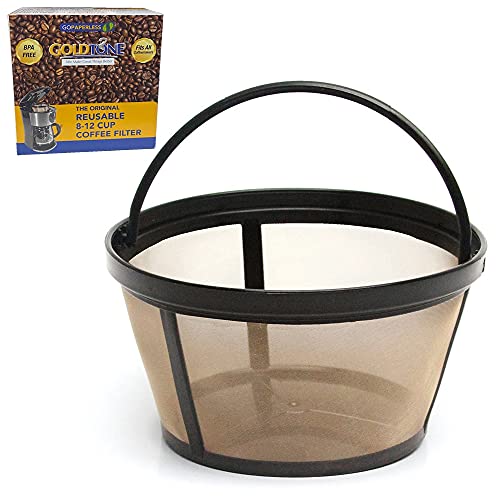
FITS MOST MODELS - GoldTone Basket-style Black and Decker coffee filter with Solid bottom. Fits most Kitchen Aid 8-12 cup basket-style coffeemakers. Replaces your paper coffee filters!
3 Visual Signs Your Quinoa Is Fully Rinsed
The signs that your quinoa is fully rinsed are clear and specific. First, look at the water: it should change from cloudy to mostly clear. Persistent cloudiness indicates residual saponins, so keep rinsing until the water is nearly transparent. Second, observe the foam: minimal bubbles or a faint, quickly collapsing film mean most saponins have been rinsed away. Thick, lingering foam shows that more rinsing is needed. Third, examine the quinoa grains themselves: they should appear matte and free of any slick or dusty sheen. If they still seem shiny or dusty, give them another rinse. Achieving these signs ensures the quinoa’s bitterness is removed for better flavor, and its texture becomes more pleasant by preventing gumminess. Use your eyes to determine when the quinoa is thoroughly rinsed and ready for cooking.
How to Drain Quinoa for Perfect Texture
To drain quinoa properly, you need to remove all excess water to prevent a soggy, clumpy texture. After rinsing, tilt your bowl to pour out most of the water, then gently shake or tap it to loosen any remaining droplets. If you’re using a cloth or mesh bag, twist or squeeze it carefully to extract as much liquid as possible. For a colander lined with a coffee filter, let it sit and drip thoroughly until no more water drips out. When using a French press, plunge it gently to trap the quinoa, then pour off the rinse water. To speed up drainage, set the quinoa in a fine-mesh sieve or strainer over an empty bowl for a few minutes, shaking lightly to encourage excess moisture to escape. For particularly stubborn residue, a small brush can help dislodge trapped bits from the mesh or sieve. Proper drainage ensures the quinoa remains fluffy and prevents it from absorbing too much water during cooking. Once drained, dry the quinoa thoroughly before transferring it to an airtight container for storage. For those who frequently rinse grains, amber glass dropper bottles offer a precise and durable storage option for homemade tinctures or oils. These bottles often feature swing top lids that provide a tight seal for preserving liquids.

3 SIZES FOR EVERY JOB — Diameters of 3.125 in., 5.5 in., and 7.875 in. ladder from tea steeping to a full stockpot strain. Different scales ensure you have the right strainer for rice, stock, sauce, and more.

[Not just make it, we upgrade it.] We are a professional kitchenware producer who have been focus on customer experience. In order to offer better and eco-friendly kitchenware, U-Taste collects customer suggestions of all similar products on Amazon. And then upgrade the products based on the data of the bad evaluation with the aim to provide customers with more perfect kitchenware products.

9 inch Premium Metal strainer - Our high grade stainless steel food strainer won`t bend or rust.
4 Rinsing Mistakes That Leave Bitter Quinoa
Using a fine-mesh strainer is crucial for rinsing quinoa properly. Large-holed colanders allow grains to slip through and leave behind bitter saponins. A fine mesh traps all the grains, ensuring thorough rinsing and better flavor. Rinse until the water runs clear, which usually takes 30 seconds to 2 minutes. If you stop too early, leftover saponins can make the quinoa taste bitter. Gently swirl or rub the grains during rinsing to loosen stubborn residues. Simply running water over them isn’t enough, as agitation helps remove the bitter coating.
Always use cold water when rinsing quinoa. Hot water can cause residues to stick or create an undesirable texture. Also, watch the foam: cloudy water with foam indicates you’re still removing saponins. Continue rinsing until the water runs clear and foam disappears for the best flavor and texture in your cooked quinoa.

Juvale Culinary Precision: Enhance your kitchen experience with the Juvale Fine Mesh Strainer, an essential tool for any culinary enthusiast. This stainless steel colander seamlessly handles tasks from rinsing quinoa to acting as a pasta strainer

Designed to drain at the ideal rate to wash impurities away
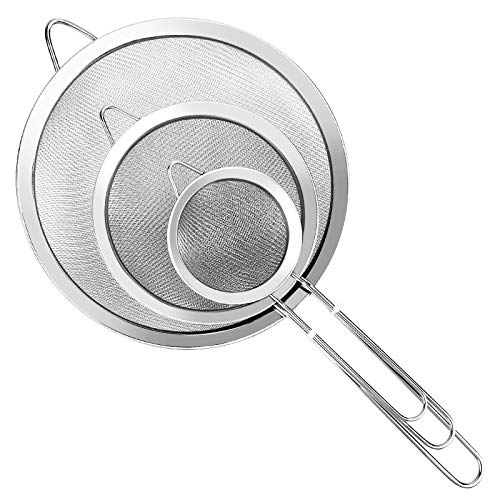
Three Graduated Sizes: This colander set includes three strainers in multiple sizes, a 3.15 inch mini strainer fine mesh, a 5.5 inch small strainer and a 7.87 inch large strainer with a deep bowl
Can You Skip the Rinse Altogether?
Skipping the rinse with pre-rinsed quinoa is generally fine, but it can impact flavor. Residual saponins can leave a bitter, soapy aftertaste, which is especially noticeable in simple dishes where quinoa’s natural taste matters. If the package states “pre-rinsed” or “saponin-free,” you can skip rinsing without concern for nutrient loss, as rinsing doesn’t strip significant nutrients. For bulk-bin quinoa or unlabeled packages, rinsing is recommended to remove bitterness and avoid potential digestive discomfort, since saponins can irritate sensitive stomachs. If you’re incorporating heavily seasoned sauces or strong flavors, skipping the rinse is less risky. For those who enjoy crafting cold beverages alongside their cooking, top frappe machines can simplify the process of making smooth drinks. For a consistent texture in your blended drinks, consider using a quality personal blender that delivers reliable performance. Carefully consider your sensitivity—the more you’ve noticed bitterness in past batches, the safer it is to rinse thoroughly for a cleaner taste and better digestion. When choosing a drink container for your kitchen, a durable cup lid with a built-in straw can offer convenient sipping for your beverages.