
Want to freeze lemon juice without using an ice cube tray? There are simple alternatives that make storing and using your citrus effortless.
By using items like muffin tins, silicone molds, or sturdy freezer bags, you can easily portion out and preserve your juice for future recipes or drinks.
Read on to learn the best methods to freeze lemon juice efficiently.
Why Skip the Ice Cube Tray?
Skipping the ice cube tray for freezing lemon juice is usually the better choice because it avoids common drawbacks. First, flavor preservation diminishes significantly when using open trays, as uncovered juice absorbs freezer odors and develops frost crystals. The exposed surface also causes oxidation, dulling the bright taste of lemon, which results in flat, stale-tasting cubes. Second, container durability can be a problem; lemon juice expands about 9% during freezing, which can crack rigid plastic compartments if overfilled. Even careful filling may cause breakage during removal, leading to spills and messes. Third, storage stability drops because stubborn cubes are difficult to pop out, often requiring warm water to loosen them. This partial thawing can cause cubes to fuse together later, creating a sticky, clumpy mess. Additionally, the fixed grid design wastes freezer space and limits flexible storage options. For a more practical approach, freezing juice in silicone muffin cups or resealable bags offers flexible storage options that maximize space and allow easy portioning. Similar to cleaning a nut milk bag, using hot water and mild soap effectively removes residues and prevents lingering odors. Choosing amber glass bottles instead of plastic containers further protects the juice from light exposure and avoids any plastic taste transfer.
Your Best Container Options for Frozen Lemon Juice
Choose containers based on how you plan to use the lemon juice. Small glass jars are ideal for flavor protection because they can be sealed tightly and prevent freezer burn. Use freezer-safe glass, leaving about half an inch of headspace to allow for expansion as the juice freezes. Let the juice cool completely before sealing to avoid cracks in the glass. Proper sealing techniques are essential—tighten the lid securely to keep air out and maintain freshness. For best results when thawing, consider using a high-quality juicer machine to re-extract any separated pulp. To ensure the glass jars provide maximum protection, look for containers with secure airtight lids that block moisture effectively.
For larger quantities, rigid plastic containers offer durability and are designed to withstand freezing temperatures. They are stackable, which helps save space once the juice is frozen. Use freezer-rated plastic containers that are resistant to cracking. When sealing, leave a small amount of headspace to allow for expansion, and ensure the lid is airtight.
Heavy-duty freezer bags also work well for small batches. Flatten the bags to remove excess air before sealing, which saves space and reduces freezer burn. Label each container with the date and contents so you can track freshness over time. Keep everything stored at 0°F or lower for optimal preservation. For filtration needs, a nut milk bag can assist in straining any pulp from thawed lemon juice.

Glass Soup Containers with Lids for Every Meal: This 4-pack of 32oz (4 cup / 940ml) square glass containers is perfect for soup, stews, leftovers and meal prep, with clear glass to easily identify contents.

High-Grade Glass: Made with premium BPA-free and lead-free food-grade glass, ensures long-lasting durability and offers a clear view of contents, preserving the freshness and integrity of stored food.

One-Piece Airtight Lids: The reusable one-piece design features a built-in inner seal that helps prevent leaks, keep contents fresh, and simplify cleaning.
Muffin Tins: Easiest Portioning Swap (No Tray Needed)
Using a muffin tin is a simple swap for an ice cube tray when portioning ingredients. Fill each cup about three-quarters full to allow room for expansion. Place the tin on a flat freezer surface to ensure even freezing and prevent spills. Freeze until the portions are solid, which usually takes a few hours.
Once frozen, invert the tin to release the portions. If any discs stick, run warm water along the outside of the tin or place a warm cloth underneath to loosen them. Transfer the frozen portions into an airtight bag, label with the date, and store in the freezer for up to three or four months for optimal freshness.
This method produces larger portions that work well for adding fruit or flavor boosts to recipes. It provides a precise amount of ingredients like lemon juice without needing a specialized tray.

Food Grade Silicone - Fimary silicone muffin pan are made of professional quality food-grade silicone, BPA free, safe to make various kinds of food. It features a metal reinforced frame that ensures stability and durability. Say goodbye to flimsy pans that warp; this muffin pans maintains its shape even under high heat, providing consistent baking results every time. Standard Cup Size- Diameter: approximately 1.8"; Depth:approximately 0.7"; Overall Pan Size: Length: approximately 15.3" Width: approximately 9.2 ".

Food Grade Muffin Pan: Each cup diameter top: 2.75 inch, cup depth: 1.1 inch. Food grade silicone. BPA Free, Silicone Baking Pan weights: 7.7 oz.
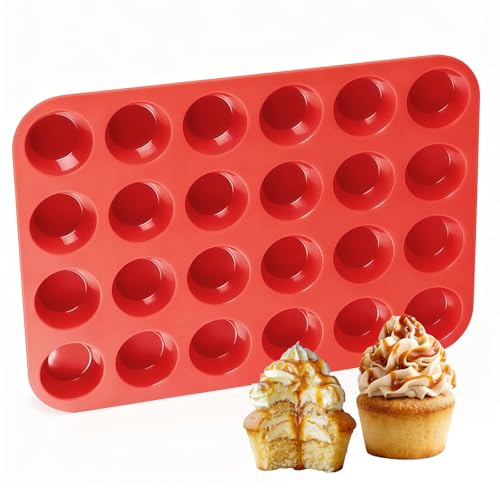
Food Grade Mini Muffin Pan: 24-cup cupcake pan, each cup capacity: 0.6 oz. Cup diameter top: 1.8 inch, cup depth: 0.7 inch
Silicone Molds: The Secret to Effortless Removal
Silicone molds naturally flex and release without sticking, making unmolding quick and simple. To pop out frozen lemon juice cubes, just give the mold a gentle twist—no scraping or warm water needed. This ensures each cube remains intact and clean every time, similar to gelatin molds but without the need for greasing. For best results, freeze the mold until fully solid before unmolding, and note that the silicone is heat and cold resistant from -40 to 464°F. Allow a brief rest at room temperature to loosen the contents slightly. Gently flex the base or twist the tray to release each portion. Silicone ice trays are generally safe for food use when made from 100% food-grade silicone without fillers. Use silicone spatulas to transfer the cubes without damage, especially if they’re small or delicate. Placing your filled mold on a baking sheet makes it easier to carry to the freezer without spilling. Fill the compartments slowly to avoid overflow and ensure even freezing. Once unmolded, store the cubes in an airtight container to lock in flavor and prevent the absorption of freezer odors. These molds are versatile and work well for stock, fruit juice, and other liquids. For a hassle-free experience similar to using a blue bottle cold brew can, always let the silicone mold sit at room temperature for one minute before twisting.

Food-Grade Silicone Ice Cube Trays: Made from BPA-free, food-grade silicone, these ice cube trays are safe, durable, and flexible. Perfect for direct contact with food and drinks, they’re compatible with the dishwasher, refrigerator, freezer, and even the microwave.

Large Ice Cube Trays:Each ice cube tray includes 6 cavities and 3 trays per pack allowing create 18 square 2 inches ice cubes at one time which is a perfect size and classic shape for whiskey, keeping your drink's best taste for a longer time

MULTIPURPOSE: Crafted from food-grade, BPA-free silicone, these durable ice trays come with lids and are freezer-friendly. They are perfect for making large, slow-melting ice cubes for cocktails, whiskey, coffee, and more. They are also safe and hygienic for freezing baby food, purees, sauces, and homemade portions.
Freeze in a Flat Bag to Save Freezer Space
Using flat freezer bags to store large batches of lemon juice maximizes freezer space. Pour your juice into a freezer-grade bag, leaving a small amount of headspace to allow for expansion. Seal the bag almost completely, pressing out as much air as possible to preserve freshness and prevent freezer burn. Lay the bag flat on a sheet pan so it freezes into a thin sheet, which is much more space-efficient than bulky containers. Once frozen solid, you can store the bags upright or stacked vertically, similar to files, freeing up more room in your freezer. Freezing in a flat shape also speeds up the process because of the increased surface area. Don’t forget to label each bag with the date; lemon juice is best used within six months for optimal flavor and quality. For an even safer technique, you can apply the same flat bag principle used with a mandoline’s guide to prevent shifting.

CRUSHING IT | Fluicer has been featured as one of Time Magazine's Top Inventions of 2023 and Food & Wine's 2026 Game Changers

Premium Food Grade Cotton Made from durable food-grade cotton with a fine mesh weave, these reusable juicing bags help separate pulp, seeds, and residue while allowing smooth juice to flow through. Designed for daily juicing and repeated use.
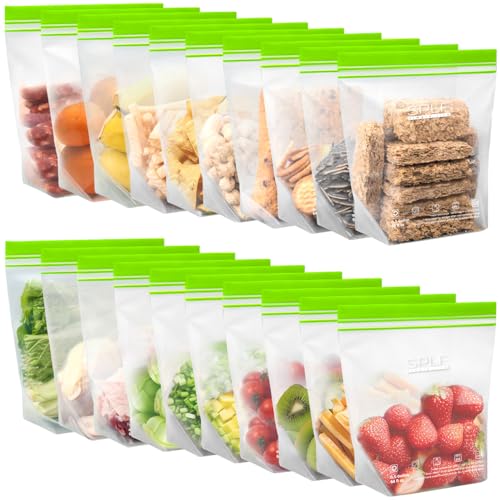
Food Grade Safe: Made of extra thick food-grade PE material and passed certified test to ensure the reusable bags are PVC, BPA, Chloride, and Lead free. They can be used as flat bags or stand up bags thanks to the special foldable bottom design, and are much more lightweight & portable than silicone food storage bags. Perfect reusable food storage bags in home & kitchen or on the go.
Prep Lemons for the Best Frozen Juice Flavor
To achieve the best frozen lemon juice flavor, start by washing and drying the lemons thoroughly under cool water. Use the freshest, firm, and smooth-skinned fruit, avoiding any that are bruised, as damaged spots can dull the overall taste. Before juicing, roll each lemon on the counter to soften the membranes, which helps increase juice yield. When extracting the juice, apply gentle pressure to prevent tearing the white pith, which can introduce bitterness. Strain the juice through a fine-mesh sieve to remove seeds and excess pulp, resulting in a cleaner, smoother texture. For optimal flavor retention, juice the lemons as close to freezing time as possible. Clear, seed-free juice freezes more efficiently and maintains a fresher taste later, so proper preparation is essential. Unlike paper straws, which are generally gluten-free and safe for most diets, your lemon juice requires no such ingredient concerns. Storing the finished juice in amber glass dropper bottles can help shield it from light degradation. Using an immersion blender on the frozen juice can create a smooth, consistent texture similar to the best commercial models.
The Simple 4-Step Freezing Workflow
Once your lemons are prepped and juiced, follow this four-step workflow to freeze them efficiently. First, select a freezer-safe container. A muffin tin is ideal for portioned cubes, while a shallow metal pan works well for creating a thin, breakable sheet. Second, fill the container with measured portions—about three-quarters full in molds or a one-inch layer in a pan. This ensures even freezing and makes thawing easier later. Third, freeze the container undisturbed until the contents are completely solid, which takes at least two hours or overnight. Finally, remove the frozen pieces or break the sheet into chunks, and transfer them to an airtight freezer bag. This process locks in flavor and nutrients for months, so you can use just what you need without waste.
Leave Headspace in Rigid Containers for Expansion
Leave headspace in rigid containers for expansion. When freezing lemon juice, always leave an extra gap between the liquid surface and the lid to allow for expansion during freezing. For wide-mouth pints, leave ½ inch of space; for quarts, 1 inch; narrow-mouth pints require ¾ inch; and narrow-mouth quarts need 1½ inches. Proper headspace is non-negotiable because juice is mostly liquid and expands aggressively when frozen. If you don’t leave enough room, you risk cracking glass jars or distorting the lids. The container’s shape and material are less important than maintaining this gap. Use wide-mouth, straight-sided jars for better flexibility during freezing because they handle expansion stress more effectively than tapered shapes. Always fill the container below the rim, not flush with the top, and let the juice freeze completely before moving the container. Consistent fill levels across all containers help minimize breakage and enhance storage stability. For a secure seal that accommodates expansion, choosing the perfect fit from a reliable handle type can also prevent lid distortion. For blending the frozen juice later, a KitchenAid K400 blender with tamper ensures smooth results by pressing chunks into the blades. For a richer flavor, try adding a small amount of vanilla extract to the juice before freezing.
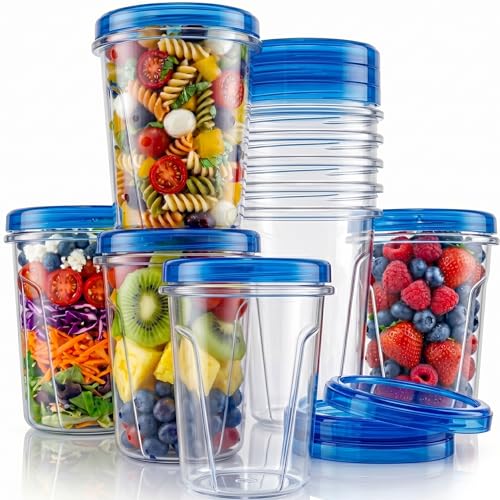
LEAKPROOF SCREW LIDS: Each container features a durable twist-top lid that creates a tight, airtight seal to prevent leaks and spills. Ideal for storing soups, sauces, broths, and other liquids without mess. Designed for reliable performance in the fridge, freezer, or during transport, so you can confidently carry meals, prep food in advance, and store leftovers without worrying about spills.

BPA free, food safe polyethylene

CAPACITY: Fits gallon-size plastic food storage bags to hold 6 cups (48 fl oz / 1419 mL)
How to Store Frozen Lemon Juice for Long-Term Use
Airtight packaging and proper freezing temperatures are essential for storing frozen lemon juice long-term. Use freezer-safe bags or rigid containers with tight seals to prevent freezer burn and flavor loss. Glass canning jars work well too, but avoid thin plastics that may crack or leak. Keep your freezer at a stable 0°F (-18°C) or lower; fluctuations in temperature speed up quality decline. For optimal flavor and nutrient retention, it’s best to use the juice within three to four months. Although frozen lemon juice remains safe indefinitely, quality diminishes over time, especially after this period. Just as with silicone straws, preventing odour and mould requires thorough drying and airtight storage to avoid moisture buildup. Do not refreeze thawed juice, as each freeze-thaw cycle further degrades taste and nutrients. After filling your containers, ensure they are sealed tightly to minimize frost buildup and prevent exposure to air. To maximize quality, portion out your juice in small amounts during freezing, allowing you to thaw only what you need without risking partial thawing of larger portions. For consistent results across batches, strainer filters remove pulp and seeds before freezing, which improves texture and clarity. Ultimately, proper storage can preserve lemon juice’s freshness and flavor for up to eight to twelve months, but expect gradual loss of brightness and aroma beyond that window. For businesses that need to serve consistent chilled beverages, commercial slushie machines offer reliable temperature control and airtight mixing to preserve freshness.
8 Smart Ways to Use Your Frozen Lemon Juice Portions
Drop a frozen lemon juice cube into plain water, iced tea, or sparkling water for an instant citrus boost without watering down the drink. Thawed portions can be whisked into vinaigrettes alongside olive oil and herbs, or added to marinades to enhance chicken and fish dishes. Stir a cube into pan sauces, soups, or guacamole to introduce bright acidity and flavor. You can also achieve a similar creamy texture by using a high-speed immersion blender for emulsifying sauces.
For baking, incorporate a cube into muffin batter or glaze to add tartness. Brush thawed lemon juice over sliced apples or avocados to prevent browning, or drizzle over roasted vegetables for a fresh, tangy finish. These methods enable you to use your lemon juice precisely when needed, minimize waste, and avoid squeezing fresh lemons every time. For even more convenience, you can use one of the effortless no-tool methods to quickly juice lemons before freezing.