
If you’re wondering how to give your Ninja Blast Portable Blender a quick and effective clean, you’re in the right place. It only takes a couple of minutes to freshen it up and keep it running smoothly.
By following simple steps, you’ll remove residue and prevent buildup, ensuring your blender stays in top shape. Keep reading for easy cleaning tips you can do right after your smoothies.
Start With the Self-Clean Cycle for Fast Results
Starting with the self-clean cycle is the quickest way to maintain your Ninja Blast. In about 30 seconds, you can have a clean blender without any scrubbing. To do this, fill the vessel with water, add a drop of dish soap, secure the lid, and run the blend cycle. The moving water loosens residue from the blades and interior walls, making cleanup after smoothies effortless. Using this cycle regularly helps prevent buildup, so you can clean your blender immediately after each use before residue hardens. This prevents dried-on gunk from damaging the motor and extends the product’s lifespan. After the cycle, simply empty the vessel, rinse thoroughly, and let it air dry. It’s a fast, simple maintenance step that keeps your blender performing like new without the need for any scrubbing. This method works effectively because the ribbed vessel creates a vortex to ensure smooth blends and thorough cleaning. Pay special attention to the straw lid by removing it and scrubbing the cap and silicone seal with a small brush after the self-clean cycle. For even deeper care, you can apply the correct speed for cleaning, similar to selecting the right motion on a slushie machine to avoid splashing. Additionally, maintaining sharp blades is essential, just as onions require a sharp knife for safer, smarter cuts.

【2-in-1 Blender & Deep Cup Cleaning Brush】 Integrates a regular cup brush and an interchangeable gap brush, usable together or separately. The heavy-duty large brush effortlessly handles blenders, juicers, meat grinders, vegetable choppers, and kettles; while the ultra-flexible tiny brush safely targets baby bottles, cups, and crevices. One versatile tool completely replaces multiple kitchen brushes, saving both your budget and storage.

✅【Deep Clean for Every Personal & Portable Blender】From protein shake blenders to travel-size smoothie machines, this 7-piece kit deep cleans cups, blades, lids, and gaskets with precision. Compatible with Ninja, Magic Bullet, and more.
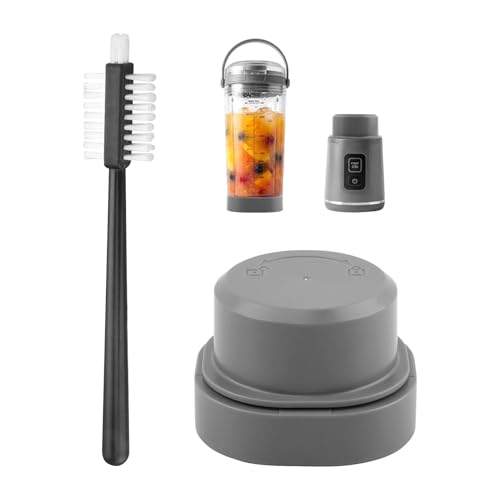
Compatible Models: Ninja Blast portable blender BC100 series (starting from model BC100), BC150 series (starting from model BC151), as well as CL55A and CO55B models. Not compatible with BC200 series or CL155ASG.
Gather Warm Water, Dish Soap, and Your Ninja Blast
To clean your Ninja Blast vessel effectively, start by setting aside the vessel and lid, then gather warm water and a single drop of mild dish soap. Warm water helps loosen residue from the vessel, lid, and blade assembly without stressing the plastic components, which is crucial for maintaining your accessory’s longevity. Use only mild dish soap to prevent damage to rubber seals; harsh chemicals can degrade these parts over time. Adding just one drop of soap prevents leftover residue that could interfere with your next blending session. For larger cleaning tasks, consider choosing the perfect fit from top handles available separately for similar drinkware. Fill the removable vessel to the marked line with warm water, then add the single drop of soap directly inside. This simple step initiates proper maintenance, keeping your Ninja Blender clean and functioning well. For a similarly smooth and refreshing drink option, you might explore the cold brew can for a convenient coffee alternative. Remember to keep the motor base dry during cleaning—only submerge the vessel, lid, and blades—then rinse thoroughly to remove any soap. Rinse the vessel with warm water to remove soap residue, ensuring no suds remain. For insight on durable blender components, Tropical Smoothie Cafe uses Vitamix commercial blenders in their stores. Finally, air-dry all parts completely before reassembling to avoid moisture buildup.
Run a 30-Second Quick Blend Cycle
To run a 30-second quick blend cycle, start by filling the vessel with warm, soapy water and securing the lid tightly. Then, press the start/stop button to activate the self-clean function. During the cycle, the soapy water circulates across the blades and vessel walls, helping to remove light residues and keep the blades in good condition. Make sure the vessel is properly seated to maintain stable operation. The cycle should last exactly 30 seconds—don’t let it run longer, as that can waste water and energy. Once the cycle completes, immediately pour out the soapy water. This quick rinse is ideal for removing smoothies or light buildup between deep cleans, but it’s not a substitute for thorough washing. For best results, check for any remaining particles and run the cycle again if needed. A fully charged Ninja can make approximately 15 blends, though regular cleaning is recommended for optimal performance.

CONVENIENT KIT FOR LIFE ON-THE-GO: Baby bottle brush, breast pump wipes, and everything you'll need, This compact cleaning kit is a diaper bag essential and provides a clean you can count on, wherever life may take you.

Complete Multi-Component Cleaning Set: This multi-component set features a telescopic sponge cup brush, a U-shaped rim brush, and a specialized bristle gap cleaner, all contained within a compact storage case. The specialized attachments are designed to target specific areas of bottles, tumblers, and mugs, including recessed lid threads and narrow openings

Large Capacity:Size:D:47mm(1.87 in) x H:116mm(4.55 in).Stand out with our unique red-black gradient glass bottles! This stylish design is not only pretty and fashionable but also highly functional. The 50ml large capacity means you need fewer refills, making it more convenient and economical for daily use, travel, or carrying in your bag
Rinse and Dry the Vessel and Lid the Right Way
To rinse and dry your vessel and lid properly, start by rinsing them immediately after blending to prevent residue from hardening. First, empty the contents and rinse the vessel under warm running water, which helps loosen thick ingredients quickly. Clean the lid separately, paying close attention to crevices and the seal where buildup tends to collect. The vessel’s non-stick material is designed to release food easily, so a quick rinse usually suffices. For similar reasons, cleaning glass straws often requires immediate rinsing to prevent residue from hardening. If you need to mix protein powder without a shaker, a simple fork can work as an effective substitute for blending dry ingredients. For leak-proof tumblers, rinsing the sealing edges immediately after use is essential to prevent sticky residue.
Next, dry all parts completely before reassembling. Separate the lid and vessel to avoid trapping moisture. Air-dry the vessel upside down, allowing water to drain freely. Dry the lid on its own, making sure to expose the sealing edges to prevent residue buildup. Avoid using heat to dry these parts, as high temperatures can damage the seals and plastic components. Only store the parts when they are fully dry to prevent mold, odors, and any potential deterioration.

Ultimate Portability and Convenience: Say goodbye to bulky motor bases. This lightweight lid allows you to carry your blended drinks with you—ideal for commuting, fitness, or outdoor adventures.
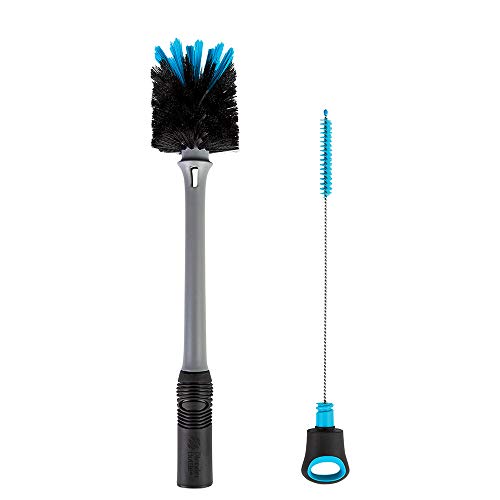
2-in-1 bottle cleaning brush for shaker bottles, water bottles, and straws

Compatible with Ninja Blast Portable Blender: BC100 series, BC105 series, BC151 series, CL155 series, CO155 series, BC100, BC10ONV, BC10OEM, BC10OPR, BC100CR, BC10OBK, BC100WH, BC151, BC151BK,BC151WH, BC15INV, BC151PRBCI51CR. BC151EM. BCIOOC, BCIOONVC, BCIOOEMC, BCIOOPRC, BCIOOCRC, BCYOOBKC, BCYOOWHC, BC51C, BC51BKC, BC51WHC, BC151NVC, BC151PRC, BC151CRC, BC151EMC, BC151Qx, CL155A, CO155B.
Wipe the Motor Base With a Damp Cloth Only
To clean the motor base properly, only wipe its exterior with a slightly damp cloth. Never submerge it, run it under a tap, or put it in a dishwasher, as it is water-resistant but not waterproof. Focus on removing visible dirt, dust, or spills from the outer surfaces, and immediately dry the base with a clean towel to prevent moisture from seeping into seams or vents. This quick cleaning step helps protect the internal electrical components from corrosion and damage. Conduct this wipe-down after each use to keep the motor running smoothly. Be cautious around buttons and seams, avoiding liquids to minimize the risk of short circuits or moisture getting inside. Following this simple routine ensures a longer lifespan for your blender’s motor. Never submerge the motor base in water.
Clean the Charging Port Safely to Avoid Damage
To clean the USB-C charging port safely and prevent damage, start by unplugging the charger and turning off the blender completely. Since the port is water-resistant but not waterproof, avoid submerging the base or spraying liquids directly into it. Instead, use a dry, soft cloth to wipe the exterior gently. To remove dust or lint, use compressed air in short bursts, directing the air around the port opening without inserting anything into it. Never insert metal tools or objects inside the port, as this can cause damage or short-circuiting. After cleaning, allow the port to air-dry fully before plugging in the charger again. Inspect the port under bright light for any sticky residue, discoloration, or debris. If a silicone cover is present, keep it in place when not charging to help prevent dirt buildup and moisture entry. Regular cleaning helps avoid corrosion and charging issues, but if you notice wobbling, corrosion, or persistent debris, stop using the device and seek professional service. For thorough drying, you can apply the right speed of short compressed air bursts as recommended for cleaning delicate openings. Storing the blender in a dry area with a protective cover can similarly prevent dust and moisture from reaching the port. Clean the port regularly to match the high quality and performance expected of a durable portable appliance.
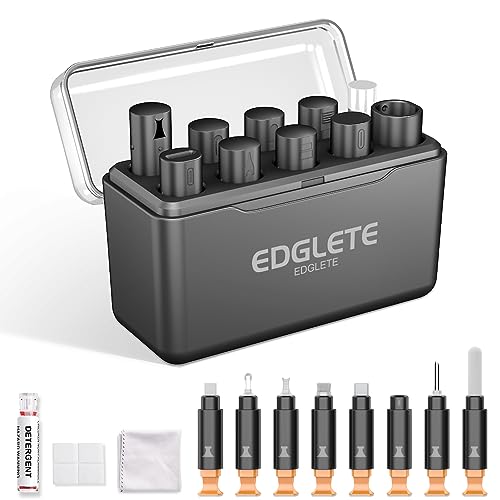
Iphone Cleaning Kit For Charging Port - The port hook, steel "U" brush and port wipe in the iPhone cleaning kit effectively clean compatible with iPhone, Android, iPad and tablet USB C port! Easily clean stains, hair, dust, fuzz, rust, oxidization and other contaminants from charging ports. Extend the life of your cell phone and electronic devices with our iPhone charging port cleaning tool
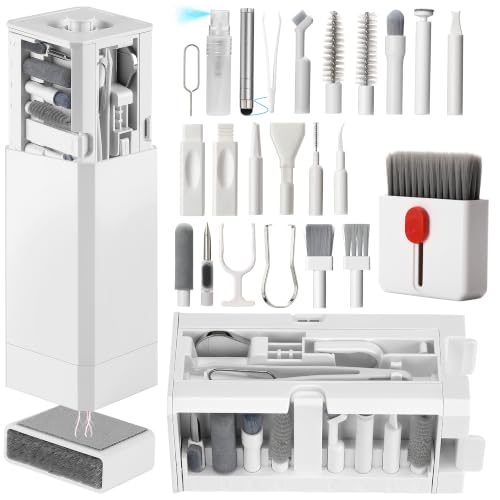
PHONE & CHARGING PORT CLEANING KIT: Built for everyday phone care for Lightning and USB-C charging ports, speaker openings, earpieces, phone edges and camera areas. Removes pocket lint, dust and debris from hard-to-reach spaces on iPhone, Android and other smartphones.

Cost-Effective Solution: The PurePort Multi-Tool cleaning kit helps prevent and repair the most common connectivity problems, saving you from spending hundreds of dollars and hours on repairs or replacements for your mobile devices
Switch to Hand-Washing for Stuck-On Residue
To remove stuck-on residue from the blending vessel, hand-washing with soaking and gentle scrubbing is most effective. Begin by filling the vessel with warm water and adding a small amount of mild dish soap. Let it soak for 15 to 20 minutes to soften stubborn dried film and sticky ingredients. This soak makes residue easier to remove without the need for aggressive scrubbing or scratching. After soaking, use a soft sponge, cloth, or a bottle brush to gently scrub the interior. Focus on seams, threads, the rim, and around the blades. For hard-to-reach spots, a long-handled brush can help safely clean around the blades. Use circular motions to lift residue without damaging the plastic surface. If certain spots are particularly stuck, apply a paste made from baking soda or soak the area in vinegar as a spot treatment. Avoid using abrasive scrubbers, as they can scratch the vessel just as they would a Farberware spinner’s plastic bowl. Rinse thoroughly under running water, checking for any remaining bits before drying completely. For everyday cleaning, the quick cleaning method relies on running the blend program with soapy water instead of scrubbing. To prevent odour and mould from returning, always dry the vessel immediately after rinsing. To stop odour and mould from returning long-term, also ensure the mesh strainer is completely dry before storage.

PACK OF ONE: One Scotch-Brite Bottle Brush, a long, multipurpose dish scrub brush with 360-degree bristle coverage for effectively reaching into deep kitchenware

【High Quality Material】Length: 12.5”, Brush Head: 1.8”L x 1.3”W. All the brushes are made from silicone material, dishwasher and microwave safe, and the bottle brush dries quickly after cleaning

Safe nylon bristles: Gentle yet effective, the soft white bristles of this bottle brush cleaner won't scratch surfaces. Amazer bottle brush reaches deep into narrow openings, ensuring clean.
3 Extra Tips to Keep Your Ninja Blast Fresh
To keep your Ninja Blast fresh between deep cleanings, adopt these simple habits. First, rinse the cup and lid immediately after blending. A quick warm-water rinse helps remove loose residue before it hardens, reducing the need for scrubbing and preventing stains from setting in.
Second, ensure every part is thoroughly dried before reassembling. Moisture trapped in crevices can lead to mold and musty odors. Place the cup, lid, and gasket upside down on a drying rack to air-dry completely. Keep the charging port dry to protect the electronic components inside.
Third, regularly focus on odor control and gasket maintenance. Use a soft brush to dislodge trapped food around the blade base and gasket ring. Soak the cup in a vinegar-water or baking soda solution for about 20 to 30 minutes, then rinse thoroughly to eliminate lingering smells. Replace a stiff, discolored gasket promptly to maintain a tight seal. Store your blender in a clean, dry, and dust-free area for a just-cleaned feel that lasts longer. Metal straws, by contrast, require careful cleaning to avoid scratching and potential heavy metal leaching].