
If you’re wondering how to get your metal straws truly clean, just rinsing isn’t enough. Deep cleaning requires a bit more effort to remove stubborn buildup and bacteria.
By soaking them in a vinegar-water solution and scrubbing with a special brush, you’ll be able to keep your straws spotless and odor-free.
Keep reading for step-by-step tips to do it the right way.
Why Metal Straws Need a Deep Clean (Not Just a Rinse)
Rinsing alone is not enough for a metal straw because its narrow, hidden tube creates an environment where residue and bacteria can thrive. Saliva, sugars, and acids stick to the interior surfaces, drying into stubborn deposits that a quick rinse never fully removes. These deposits can harden over time, making them difficult to dislodge without more thorough cleaning. Moisture and leftover particles also promote the growth of biofilm, a sticky microbial layer that simple rinsing cannot break apart. To effectively eliminate this layer, you need to scrub and soak your straw, disrupting the adhesion of bacteria and residues. Building a DIY yogurt strainer at home involves similar attention to removing trapped residue from fine mesh, ensuring no leftover particles remain hidden. Without deep cleaning, odors and stale flavors will persist, signaling that bacteria or mold may still be hiding inside. A deep clean ensures all hidden contaminants are flushed out, keeping your metal straw safe and odor-free. Just as a cocktail strainer requires specific techniques to remove trapped particles from its fine mesh, a metal straw demands targeted scrubbing to clear its narrow interior. Silicone ice trays require comparable thoroughness to prevent bacterial growth in their crevices and corners.
Tools You Need for a Deep Clean
Tool maintenance is essential for keeping your cleaning tools in top shape. Many brushes are dishwasher-safe, allowing you to sanitize them thoroughly and easily. After each use, rinse your brush under running water to remove debris and dry it completely to prevent mold. For the most thorough results, consider pairing your brushes with wide-mouth glass bottles to allow easy access during cleaning. The set includes four brushes, which are reusable and made from long-lasting stainless steel with flexible nylon tips. To ensure your cleaning routine remains effective, regularly inspect the brush tips for wear and replace them as needed to maintain a proper seal on your straw lid. Use tongs when handling straws in boiling water—heat-safe tongs help you avoid burns. Finally, set up a drying rack or an air-dry area. Ensuring proper airflow inside the straws prevents moisture buildup, which keeps them clean and ready for your next deep clean. For the best results, use pure, clear ice to chill your beverages without imparting any off-flavors or minerals that can leave residue on your straws.

STURDIEST BRISTLES - 0.01 inches(0.15 mm) thicker diameter food grade nylon bristles, medium-soft yet with added scraping efficiency

𝟲 𝗣𝗔𝗖𝗞 𝗕𝗢𝗧𝗧𝗟𝗘 𝗕𝗥𝗨𝗦𝗛 𝗦𝗘𝗧: Includes 2×14" bottle brushes with stainless handle, 3×straw brushes, multifunctional brush. With this complete set of cleaning tools, you'll have everything you need to keep your drinkware sparkling clean and ready to use.

【Premium Material】These drinking straws are made of GENUINE premium, silver-colored 18/8 stainless steel.Unlike other cheap straws with low weight and bent easily, our straws have thicker walls, so that they are very strong, not too heavy nor too light.
Best Daily Cleaning Routine for Metal Straws
Rinsing your metal straw immediately after each use with warm water is the best way to prevent residue from drying and to make daily cleaning faster. This simple step acts as a safety precaution by reducing bacterial growth. Next, wash the straw with dish soap and warm water by swirling and running soapy water through it for a few minutes. Use a thin straw brush to scrub thoroughly inside, focusing on the mouthpiece area. Ensure the brush is soft enough to avoid scratching your straw, considering the material. Rinse until no soap suds remain, then check both ends for debris. Dry the straw completely by placing it upright on a rack. Avoid storing it damp, as moisture can cause odors and mold. Using the right speed can help remove stubborn residue more effectively. For a more thorough clean, apply the sharp blade technique to dislodge stuck particles from the interior. Following this routine after each use keeps your metal straw clean and ready for your next drink. For an even simpler approach, you can apply effortless methods like swirling the straw in a glass of warm water and soap to agitate stuck debris.
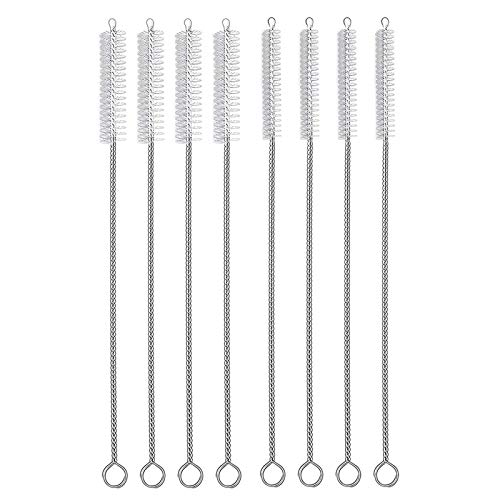
MULTIPLE SIZE » Set includes 4-piece 7.8" x 8 mm straw brush and 4-piece 7.8" x 10 mm straw brush. Overall length: 7.8", Bristle Diameters: 8 mm, 10mm. 7.8" length with 8 mm and 10 mm diameter sturdy brush head, reaching the entire inner surface of the straws and pipes for a thorough clean.

HIGH QUALITY MATERIAL: Our long straw cleaner brush made of top 18-8 food grade 304HC stainless steel wire, Reusable soft and durable nylon bristles

【THE SIZE & QUANTITY】 Set including 10 PCS of 12 inches extra long straw cleaner brushes in 12mm diameter, Greatly work for cleaning your straws, Baby Bottles, Yeti, Tervis, Camelbak, Starbucks Cup, Hummingbird Feeders and others. Packed in one gift nice BEUICIRY bag.
4 Deep-Clean Methods for Stubborn Buildup
A vinegar soak is one of the most effective deep-clean methods for stubborn buildup. Mix equal parts white vinegar and warm water, then submerge the affected parts for anywhere from a few minutes to several hours, depending on the severity of the grime. This acidic solution helps break down mineral deposits and residue from coffee, tea, or thick smoothies. For tougher grime that won’t loosen easily, a longer soak is recommended. After soaking, use a straw brush inserted fully into the opening and twist from both ends to scrub away any remaining buildup. Always rinse thoroughly with running water afterward to remove any residual vinegar or soap film. Finally, wipe the exterior with a towel and allow the cleaner to air-dry completely before use.

Effortlessly Clean Long Straws & Tubes: This extra-long straw cleaning brush has a total length of 10.5 inches, bristle length of 4.3 inches, and a diameter of 0.39 inches, which can deeply clean Stanley water bottles and reusable thin tubes. The hard bristles scrub away stubborn residue, ensuring a thorough clean for any small, long tube.
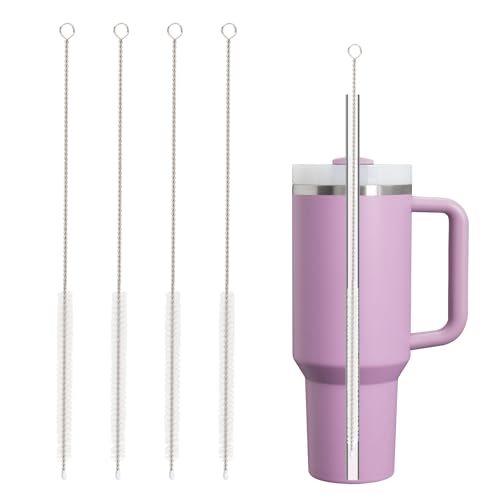
Perfect Fit: 4 pack 11.8 inches long and 0.40 inches wide diameter Reusable Straw Cleaner Brush. Perfectly fit for 14oz 20oz 30oz 40oz stanley cup straw. And for All Plastic, Glass, Stainless and Silicone Straw.

Multi-Function Cleaning Kit: This set includes 10 straw cleaner brush extra long and 2 3-in-1 cup lid cleaning brushes. The stainless steel straw cleaners reach deep to clean narrow straws and tubes, while the 3-in-1 cup lid gap cleaning brushes come with a hook remover, gap brush, and stiff-bristled corner brush, making them suitable for various scenarios.
How to Dry and Store Your Metal Straw Safely
After your straw is fully clean, air-drying and proper storage are essential to prevent bacteria, mold, and corrosion. Don’t rush this step. First, shake out any excess water to remove as much from the interior as possible. Then, place your straw upright on a dish rack or a dedicated straw drying stand, allowing gravity to drain residual moisture from both ends. Never cap or bag a damp straw because sealed containers trap condensation, creating a humid environment that promotes microbial growth. For those who prefer insulated drinkware, it’s worth noting that the same drying principle applies to top tumbler picks with handles, ensuring no moisture lingers in sealed lids. Cleaning accessories like nut milk makers often require comparable thorough drying to avoid residue buildup. Additionally, disassembling the lid components helps prevent trapped moisture in the flip straw lid mechanism.
When storing, choose a clean, upright container or pouch. Using color coding for different straws can help you quickly identify the right one, but always check that your storage environment is compatible with your straw’s material—some metals may react poorly with humid conditions. Store only when your straw is completely dry, in a cool, well-ventilated spot away from crowded drawers or damp cabinets. Following this routine keeps your metal straw hygienic and corrosion-free, ensuring it’s ready for your next use.

Chopsticks Dishwasher Holder: A chopstick dishwasher basket that keeps pairs upright so water reaches each one. A chopstick holder for dishwasher racks and dishwasher basket for chopsticks

PREMIUM 304 STAINLESS STEEL CONSTRUCTION - Made from high-quality 304 stainless steel, ensuring durability and resistance to rust and deformation. The food-grade material is safe for kitchen use and maintains its integrity over time.

Drying Rack specifically designed for holding 4 water bottles or travel mugs and lids
5 Ways to Prevent Buildup Before It Starts
Rinsing your metal straw immediately after use is the best way to prevent buildup. Warm water flushes away sugars, oils, and residue before they dry inside bends and narrow sections. This quick step minimizes the need for aggressive scrubbing later, especially after sticky drinks like smoothies or juice. A quality ninja spiralizer also benefits from similar immediate rinsing to prevent food residue from hardening in its blades. The design of the modern lemon squeezer, like the metal straw, was refined through early iterations that solved common cleaning and usability problems. For consistent results, a mandoline slicer should also be rinsed immediately to keep its sharp blades free from dried debris.
Using a dedicated straw brush regularly is essential. Flexible bristles reach the full length and dislodge debris from bends and crevices. For optimal cleaning, pair brushing with immediate rinsing. Don’t let residue dry, as dried particles crust and become difficult to remove, leading to odor and film buildup.
Opt for less residue-heavy drinks whenever possible. Water leaves minimal buildup, while sugary or dairy beverages tend to deposit more solids. Choosing eco-friendly materials for lighter drinks can help reduce rapid accumulation. To keep your brush hygienic, rinse it after each use and clean it with mild soap or vinegar. This prevents debris from redepositing and keeps your straw fresh and odor-free.
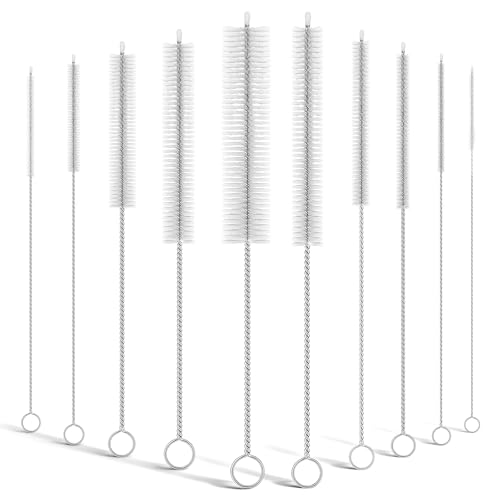
10-Sized Cleaner Brush Set: Our Cleaning Brush Includes 10 different diameters straw cleaner brushes ranging from 1.02 inches down to tiny 0.08 inch diameter for cleaning reusable straws, narrow tubes, small bottle and tight crevice, From wide tumber straws to slim sippy cup spouts, find right cleaning brush for every opening

【15" Extra Long for Deep Cleaning】 Specifically designed with a 15-inch ultra-long handle, this set is the perfect fit for 20oz, 30oz, and 40oz Stanley cups, Owala, Yeti, and large tumblers. The extended length ensures this straw cleaner can easily reach through the longest reusable straws to remove residue and stubborn buildup from top to bottom without any blind spots.

VERSATILE SET: Includes 9 cleaning brushes with different bristle sizes - 3 green, 3 red, and 3 silver brushes for thorough cleaning of various straws and narrow containers
How Often to Deep-Clean Your Metal Straw
For daily use, deep-clean your metal straw at least once a week. This schedule ensures it stays hygienic and free from buildup. If you mainly drink smoothies, milk, or protein shakes, increase your deep-cleanings to twice a week, as these beverages can leave more residues. Watch for signs like cloudiness, slime, or off-tastes, which indicate it needs a thorough clean sooner. Avoid letting residues sit overnight, as harsh buildup can damage the stainless steel over time. For occasional use, a deep-clean every two to three weeks is sufficient, but always rinse and wash after each use. Maintaining a weekly deep-cleaning routine is the best way to extend your straw’s lifespan and keep it safe to use.