
Wondering how long it really takes to freeze an ice cube? On average, a standard tray with one-inch molds needs about 3 to 4 hours at 0°F to become solid.
You can cut that time in half by using a metal tray or lowering your freezer’s temperature. Keep reading for simple tips to get ice ready faster.
How Long Standard Ice Cubes Take to Freeze
It takes about 3 to 4 hours for standard ice cubes to freeze solid through the center in a typical home freezer set to 0°F (-18°C). This timing applies to a standard 12–16 cube tray with 1-inch molds. Research consistently shows this 3–4 hour window as the average for these conditions.
To ensure the best results, use cold tap water and avoid overfilling the molds, as air pockets can slow down even freezing. Stacking trays together traps cold air and can add up to an hour to the freezing time. Smaller or shallower cubes may freeze in 2–3 hours, but for a reliable estimate, plan for 3–4 hours.
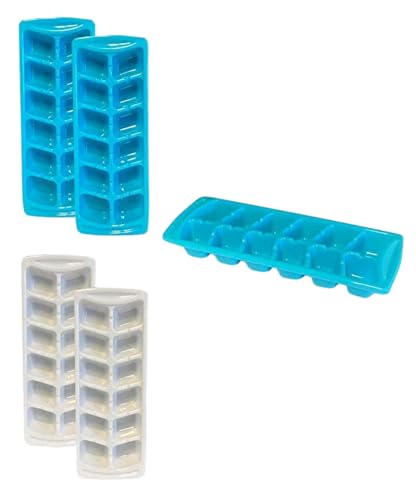
Multi-Purpose Ice Trays: Ideal for freezing water, juice, iced coffee, broth, sauces, or herbs for everyday drink prep and cooking

MULTIPURPOSE: Crafted from food-grade, BPA-free silicone, these durable ice trays come with lids and are freezer-friendly. They are perfect for making large, slow-melting ice cubes for cocktails, whiskey, coffee, and more. They are also safe and hygienic for freezing baby food, purees, sauces, and homemade portions.

MADE IN THE USA: Proudly made in the USA out of top quality food grade materials. Each purchase supports American industry and factory workers
How Freezer Temperature Affects Freeze Time
Lower temperatures in your freezer speed up the ice freezing process. At 0°F, it typically takes 3 to 4 hours for ice cubes to form completely. If you decrease the temperature to -10°F, you can cut that time down by about an hour, resulting in a 2 to 3-hour freeze. Conversely, raising the temperature to 10°F extends the process by roughly an hour, taking 4 to 5 hours. This is because colder air pulls heat from the water more quickly, leading to faster ice crystal formation. Additionally, lower temperatures enhance overall freezer efficiency, especially during the final stage when the water’s center must fully solidify. For those seeking rapid results, a high-performance machine can offer consistent temperature control that helps maintain optimal freezing conditions. You don’t need a commercial-grade setting of -20°F to see a noticeable difference; just a few degrees below zero already accelerates freeze time effectively. For those who prioritize keeping drinks cold after the ice is made, the best insulated tumblers maintain temperature far longer than standard glassware. A durable tumbler with handle pairs well with fast-frozen ice to keep beverages chilled for hours.
How Tray Size and Shape Alter Freeze Time
Larger trays with more water take significantly longer to freeze. Small trays typically need 3 to 4 hours, while larger molds can require 6 to 12 hours, and very big cocktail cubes may take up to 24 hours. When making a frappe in a slushie machine, blending the ingredients to a smooth consistency is key to achieving the right icy texture. Smaller cavities freeze faster because less water means the freezer can remove heat more quickly. The shape of the tray also influences freeze time: thinner, wider designs with more surface area speed up solidification, whereas thick, deep molds freeze more slowly. While the water’s density remains constant regardless of the shape, the volume poured into each mold affects freezing duration. Novelty and sphere-shaped molds often need 7 to 10 hours because their dense interiors slow the process. Flexible silicone trays generally take longer than metal ones, adding an extra hour or two for larger cubes. Overall, the size and shape of your tray are the primary factors that determine how long freezing will take. For those seeking rapid freezing, models recommended in best juicer machines often prioritize efficient heat transfer similar to metal trays. An immersion blender can also be used to quickly crush pre-frozen cubes for a controlled icy texture in drinks.

STURDY LARGE ICE CUBE TRAY: The internal steel frame provide solidness to the upper rim that makes it easy to move in and out of the freezer. No leaks or deformations during transportation.

Ice removal method: After removing the ice tray from the refrigerator, let the product stand for 2-3 minutes, and then push it out from the top of the tray to immediately distinguish it.

STURDY LARGE ICE CUBE TRAY: The internal steel frame provide solidness to the upper rim that makes it easy to move in and out of the freezer. No leaks or deformations during transportation.
Does the Starting Water Temperature Affect Freeze Time?
Starting water temperature does influence freeze time, but not always in predictable ways. Typically, colder water cools faster initially because there’s less heat to remove. For example, water at around 20°C (68°F) usually takes about 3 to 4 hours to freeze in a standard tray. Starting with colder water, such as near freezing, can shorten this time because the temperature gap between the water and the freezer is larger, speeding up heat transfer. For those using a similar approach to Blue Bottle cold brew can storage, the initial water temperature may still present minor variations in overall chilling performance.
On the other hand, hot water can sometimes freeze faster due to the Mpemba effect, but this phenomenon is inconsistent and depends on specific conditions like container material and water purity. It’s not reliable for everyday ice-making. For consistent results, it’s best to start with water at a low, stable temperature. Remember, while the initial water temperature makes a difference, the freezer’s overall performance and the water volume have a bigger impact on freeze time.
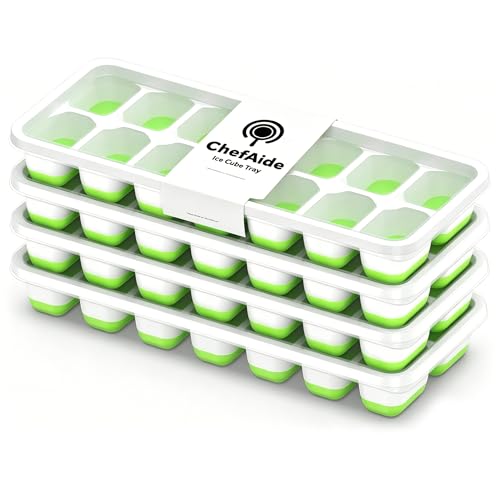
Generous Ice‑Making Capacity: The set includes 4 ice cube trays. Each tray makes 14 ice cubes at a time, delivering up to 56 ice cubes in total when all four are used together.
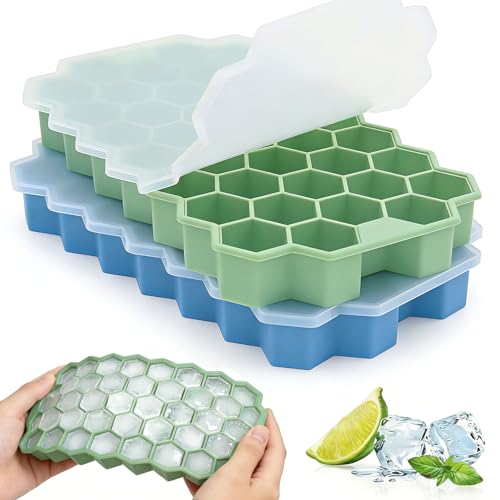
【2 Pack 37 Grid Honeycomb Ice Trays for Freezer with Lid]This set includes 2 pieces of 37-grid honeycomb ice trays with lids, made of high-quality food-grade silicone. Durable, flexible and long-lasting, they withstand repeated freezing without deformation, providing you with ample ice supply for daily use

EASY RELEASE ICE CUBE TRAY: Fill ice tray with water and place in freezer for 2-4 hours. Once frozen, simply give the ice maker tray a gentle twist for instant ice release. Ice cubes taper from top to bottom which allows for quick and simple release, saving both time and effort.
Which Ice Tray Material Freezes Fastest?
Metal trays, especially stainless steel and aluminum, freeze water the fastest because they conduct heat efficiently. Stainless steel can solidify water in about 105 minutes, making it the quickest option. Aluminum also performs well, freezing water roughly 28 to 42 percent faster than silicone in typical freezers. Silicone trays take around 163 minutes to freeze the same amount of water, substantially slower. Plastic trays sit in the middle range, usually taking between 2.5 and 3.5 hours. Overall, if speed is your priority, metal trays are the best choice due to their superior thermal conductivity and rapid freeze times.

PLASTIC-FREE & NON-TOXIC: Made from premium food grade 304 stainless steel, it is plastic-free, silicone-free, and non-toxic. No more cheap plastic trays that crack or smell. Enjoy odorless ice every time.

18-Slot Large Capacity with Detachable Handle — Effortlessly release ice cubes in one step, saves time for bar/kitchen use.

One-Push Lever Ice Release: Patented lever for one-push ice ejection. No banging or twisting, far easier than cheap plastic ice trays.
3 Simple Tricks to Speed Up Freezing
To speed up freezing, there are three practical adjustments you can make. First, reduce the water volume in each compartment by underfilling slightly. Smaller cubes freeze faster because heat escapes more quickly, and this also helps preserve flavor by avoiding overly diluted drinks later. Second, start with cold water straight from the fridge instead of room temperature water. Pre-chilled water skips the initial cooling delay, reliably shaving off minutes from the process. Third, position your tray where airflow is strongest—usually at the back or bottom of the freezer. Keep it uncovered, leave space around it, and avoid opening the door repeatedly. Maintaining a colder, stable temperature also aids in faster freezing. Remember, minimizing freezer door slamming reduces noise and speeds up ice formation, creating a quieter and more efficient freezing environment.

✅ Organize Your Freezer with a Complete Ice System: This ice cube tray with lid and bin set solves freezer clutter by combining 4 silicone ice cube trays, a central storage container, and a scoop. Keep your kitchen tidy while always having ice ready for daily drinks, cooking, or entertaining.

【Flex-Bottom for Effortless Release】 No more struggling with stiff plastic. Our Ice trays feature a flexible food-grade silicone base. Simply give the bottom a gentle push or a slight twist to release cubes instantly. High efficiency for your morning iced coffee or evening cocktails.

Food-Grade Silicone Ice Cube Trays: Made from BPA-free, food-grade silicone, these ice cube trays are safe, durable, and flexible. Perfect for direct contact with food and drinks, they’re compatible with the dishwasher, refrigerator, freezer, and even the microwave.