
Ever wondered how much caffeine is in a Starbucks cold brew bottle? You’ll find that an 11-ounce bottle packs around 180 mg of caffeine, similar to a tall in-store coffee.
Flavored options like vanilla or cocoa might have slightly less, while sweetened black versions can jump higher.
Keep an eye on the label, as ingredient changes can affect the caffeine content.
The details below will help you understand how it compares to other sizes.
How Much Caffeine Is in a Standard Bottled Cold Brew?
A standard 11 fl oz (325 mL) bottle of Starbucks cold brew contains about 180 mg of caffeine. This is a strong amount for a single serving, roughly 16.36 mg per ounce or approximately 55.33 mg per 100 mL. The caffeine content remains fairly consistent across most flavors, although slight variations can occur. The black unsweetened version typically has around 180 mg, while sweetened black options can reach 215 mg. For those who value consistent quality in their beverages, using a top clear ice maker can help ensure your cold brew stays cold without dilution. Flavors like vanilla or sweet cream usually range from 155 to 185 mg due to formulation differences. Always check the label on your specific bottle since caffeine levels can vary. Compared to a typical in-store grande size, which packs about 205 mg, the bottled version offers a very high caffeine dose in a portable, ready-to-drink format. For those who prefer a larger serving, a 40 oz tumbler with handle provides a convenient way to enjoy homemade cold brew on the go. If you are making your own cold brew at home, investing in one of the best juicer machines for fresh orange juice can also help you create a refreshing citrus blend to complement your coffee.
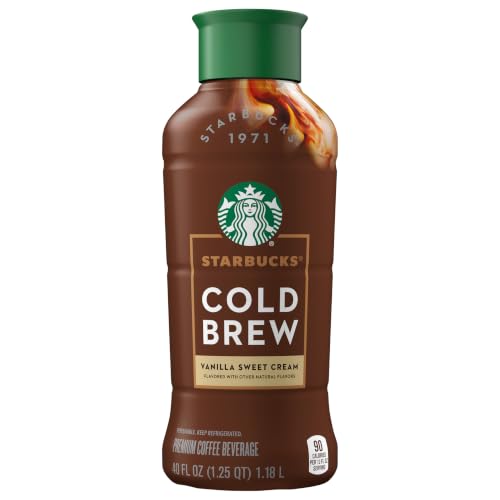
Indulge in Café-Inspired Perfection: Savor the rich, smooth taste of Starbucks Cold Brew Coffee, crafted with a premium Colombian blend, creamy sweetened milk, and a naturally flavored splash of vanilla for an indulgent iced coffee experience.
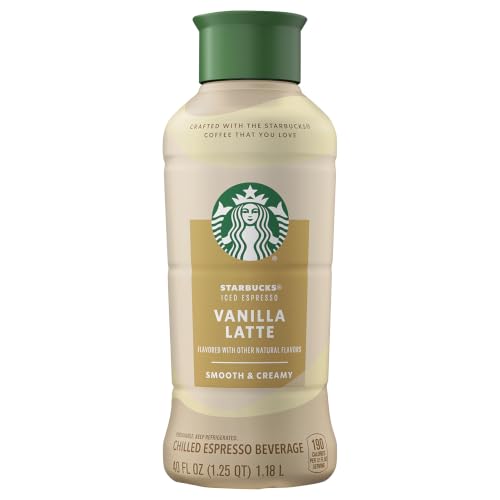
Indulge in Café-Inspired Perfection: Savor the rich, smooth taste of Starbucks Espresso Vanilla Latte Coffee, crafted with bold Starbucks Espresso, velvety milk, and a naturally flavored splash of vanilla for a creamy and indulgent iced coffee experience.

PREMIUM COLD BREW COFFEE: Enjoy the Starbucks cold brew coffee you love at home with this 32-fluid ounce bottle of Starbucks Cold Brew Concentrate Signature Black
Does Caffeine Change If You Pick a Different Flavor?
Yes, changing the flavor of your Starbucks bottled cold brew can influence the caffeine content. The caffeine level varies across different flavors because of added ingredients and formulation differences, not bottle size, which remains constant. Plain black versions tend to have higher caffeine, with unsweetened options around 175–180 mg per 11 fluid ounces. Some sweetened black varieties can reach 180 mg or even 215 mg. Creamier flavors like vanilla sweet cream, vanilla and fig, or cocoa and honey generally contain about 155 mg, though some sources list them as high as 185 mg. Manual lemon squeezers are another tool that prioritizes simple operation, much like checking a label for consistency. For example, a personal blender with a travel lid offers similar convenience for on-the-go use. Similarly, Blue Bottle cold brew can options are also available for those who prefer a different brand’s ready-to-drink coffee.
Since ingredient additions and formula tweaks affect caffeine levels, you can’t rely on a single flavor’s number. Always check the label for the exact caffeine content, as it can vary between batches and product updates. Your choice of flavor can make a significant difference, especially if you’re monitoring your total caffeine intake.
How Bottled Cold Brew Compares to Café Cold Brew
Bottled cold brew typically contains about 180 mg of caffeine per 11-ounce container, which is quite concentrated. In comparison, a grande café cold brew pours 16 ounces and has 205 mg of caffeine, making it slightly more caffeinated per serving. When you break it down by ounce, the bottled option offers about 16.4 mg per ounce, while the café version has around 12.8 mg per ounce. This means a small bottled drink delivers nearly the caffeine of a larger café serving. Larger café sizes like venti or trenta can push caffeine levels well above bottled options, with some reaching 300 mg or more in a single drink. Flavored varieties like vanilla or Cold & Crafted often reduce caffeine content to as low as 135 mg per bottle. Conversely, café cold brew sizes stay consistent in caffeine, starting at 155 mg for a tall and increasing with larger sizes. Always check the nutrition label to confirm exact caffeine content. For those who enjoy making cold beverages at home, a home slushie machine can also create refreshing frozen treats with consistent texture. For blending options, a Hamilton Beach blender offers reliable performance for homemade drinks. A DIY salad spinner uses centrifugal force to dry greens, similar to how bottled cold brew is separated from grounds during production.

Indulge in Café-Inspired Perfection: Our master blenders and roasters have balanced arabica coffee with subtle notes of nuttiness and cocoa for a taste that has both depth and everyday drinkability

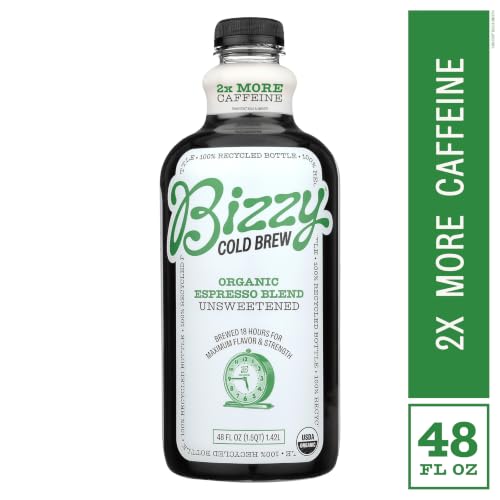
Bold & Smooth Cold Brew: 48 fl oz bottle of black and unsweetened SToK Cold Brew; 125 mg of caffeine per 12 oz pour
What About the 40 Oz Multi-Serve Cold Brew Bottle?
The 40 oz multi-serve bottle of Starbucks Black Unsweet Cold Brew contains a total of 255 mg of caffeine across approximately three servings. This means each 12 oz pour provides about 85 mg of caffeine, making it a potent, straightforward option for those seeking a strong cold brew. The bottle offers a black, unsweetened brew ideal for home pouring or sharing with others. Since it’s designed for multiple uses, you can enjoy it over several days, but refrigeration after opening is essential to preserve its flavor and freshness. Caffeine stability remains consistent across all servings, so you can confidently divide the bottle evenly and expect each glass to deliver roughly 85 mg of caffeine. This pure, concentrated cold brew contains no added sweeteners or creamers, keeping the focus on a bold, unadulterated coffee experience. Crafted from premium Colombian beans specifically brewed without heat, this bottle delivers a smooth flavor with subtle cocoa notes and well-balanced richness.

Plenty to Go Around: One 48 fl oz bottle of ready to drink Unsweetened, Black, SToK Extra Bold Cold Brew Coffee with 170 mg caffeine per 12 oz serving

Includes (8) 9.6 fl oz cans of Starbucks Nitro Cold Brew: Black Unsweetened, Iced Coffee, Cold Brew Coffee

How Bottled Cold Brew Stacks Up Against Other Coffee
Bottled cold brew generally offers a higher caffeine content compared to many ready-to-drink coffee options. An 11 oz bottle delivers about 180 mg of caffeine, which is more than Starbucks’ tall (155 mg) but less than the grande (205 mg). Flavored versions like vanilla or cocoa & honey typically add only 10–20 mg of caffeine, so your caffeine kick remains strong. Compared with iced coffee in a grande size—around 165 mg—it provides a more consistent caffeine level over time thanks to the cold-brew process, which preserves the smoothness and stability of the caffeine. Hot brewed coffee, like a grande Pike Place, contains around 310 mg, making it a different category altogether. Against other ready-to-drink options, the bottled cold brew stands out by offering roughly 100–150 mg of caffeine, with Dunkin’s 16 oz cold brew reaching up to 260 mg. This consistency in caffeine delivery aligns with the performance and quality you’d expect from a well-engineered brewing system, much like the top-rated KitchenAid K400 blenders with tamper that prioritize reliable results. Similarly, high-speed blenders achieve this by using powerful motors to ensure uniform extraction and consistent texture. Essentially, bottled cold brew strikes a solid middle ground, providing a noticeable caffeine boost without the extreme intensity of some hot or larger servings.
Why Label Checks Matter Before You Buy
Checking the label is essential before you buy because a single bottle can contain multiple servings, making it the only reliable way to determine exactly how much caffeine you’ll consume. Bottle size alone isn’t enough— for example, a 40 fl oz bottle might list 255 mg of caffeine per 12 fl oz serving, meaning you’re actually drinking three servings in one bottle. Different flavors and types also have varying caffeine levels; unsweetened black coffee might have around 180 mg per 11 oz, while vanilla-flavored versions could have less. Don’t be fooled by similar-looking bottles—always double-check the label. Just as you would compare quality and performance when choosing a tumbler, you should similarly compare caffeine details across different coffee bottles. Packaging variations across flavors and brands are common and can lead to different caffeine amounts, so it’s crucial to scrutinize the fine print each time. Once a bottle is opened, the caffeine content remains the same, but improper storage can affect taste and freshness. Retail labels often hide exact milligrams in small print, so you need to scan carefully. A product labeled “caffeinated” doesn’t tell you how much caffeine it contains—always look for serving size, the ingredient list, and specific caffeine content before making your purchase. Assuming a creamy or sweetened version has the same caffeine level as the plain one could throw off your daily intake. Always verify what’s inside before you buy.