
Wondering how to get more juice out of your oranges without a fancy machine? You might be surprised to learn simple tricks can make a big difference.
By prepping the fruit right and using easy techniques, you can maximize your yield with just your hands and basic tools.
Keep reading to discover clever hacks that will help you squeeze every last drop.
Why the Right Orange Gives You More Juice
Choosing the right orange makes a big difference in the amount of juice you get. Valencia oranges are the best option for maximum yield; they consistently produce more juice than Navels or blood oranges. Picking a Valencia can reduce the number of fruits you need, saving you time and effort. This variety isn’t just about flavor—it’s about efficiency in your juicing process. For the highest efficiency, consider using a best juicer machine specifically designed for citrus.
Ripeness is equally important. An orange that feels heavier generally contains more juice, even if its skin looks less appealing. The weight of the fruit indicates higher internal moisture and juice content. A fully ripe orange will give you a better start and avoid the frustration of squeezing fruit that’s underripe and less juicy. For a similar commitment to quality and value, consider the top tumbler with handle to store your freshly squeezed juice. For an even more efficient approach, consider using a spiralizer for vegetables to ream the orange halves, extracting every last drop of juice.
How to Prep an Orange for Maximum Extraction
To maximize orange juice extraction, start by preparing the fruit thoroughly. Rinse the orange under cool water, scrubbing gently to remove wax, dirt, or pesticide residues. Pat it dry with a clean towel to prevent contaminants from mixing with your juice. Next, adjust the temperature: don’t use an orange straight from the fridge, as cold temperatures can reduce juice yield by up to 30 percent. Allow the orange to sit at room temperature for about 30 minutes or give it a short warm-water bath for five minutes. Gentle warming relaxes the internal sacs, making them easier to press and extract more juice. For a similar hands-on approach, you can also build a DIY yogurt strainer at home to separate whey from solids with simple materials. For storing any freshly squeezed juice, consider using amber glass bottles to protect it from light degradation. If you are concerned about contaminants, note that paper straws generally do not contain gluten, but you should check for cross-contamination risks if you have severe allergies.
Finally, roll the orange firmly on your countertop for 10 to 15 seconds before slicing. Applying pressure breaks down the membranes inside the fruit, increasing surface area for extraction. Slice the orange crosswise, exposing more juice sacs and facilitating a smoother squeeze. These steps will help you get the maximum amount of juice from each orange.
The Hand-Squeeze Method That Works Every Time
Cut the orange in half crosswise to maximize the exposed juice surface. Hold one half over a bowl or glass and apply firm, steady pressure with your palm and fingers—avoiding just your fingertips. Rotate the fruit as you squeeze to reach every trapped section until the rind feels dry and the juice flow slows. Selecting seedless, ripe oranges enhances juice smoothness and reduces interruptions. Warming the fruit slightly before cutting makes it easier to release liquid, as cold oranges tend to resist. Rolling the whole orange firmly on the counter before cutting loosens internal membranes and improves your final yield. Keep a secure grip and reposition your hand as each section empties. For a more consistent juice extraction, the kitchen tool featured in the best spiralizer reviews applies a similar principle of rotation and steady pressure. For the cleanest texture, pour the juice through a fine-mesh strainer to filter out seeds and excess pulp, while retaining some pulp for fuller flavor. A 64 oz tumbler with handle makes an excellent container for mixing and serving your freshly squeezed orange juice. For storing any leftover juice, consider using swing-top bottles to maintain freshness and carbonation similar to kombucha bottling.

SQUEEZE OUT EVERY DROP OF JUICE: Our 2-in-1 lemon squeezer won’t waste a single drop from your favorite fruit; we have designed this lime juicer to be easy on hands. Watch...
Squeeze More Juice With a Fork, Spoon, or Glass
Using a fork, spoon, or glass can significantly boost your orange juice yield after halving the fruit. To do this, poke the cut surface with fork tines to release trapped juice. Then, twist the fork while pressing down and rotating to reach multiple pulp sections, mimicking a reamer. A spoon can also be effective: press its bowl into the flesh and twist to loosen pulp, though it may produce slightly less juice and result in a thicker, pulpier texture. The glass method involves pressing the cut side against a wide-mouthed glass and rotating firmly; this doubles as both a squeezer and a collection vessel. Remember, peeling the orange before cutting helps, but once halved, these tools maximize extraction. This process works similarly to a garlic press by applying mechanical pressure through a small tool to release liquid from solid food. For those who want a filtered result with less pulp, a water pitcher with infuser can serve as an effective straining vessel after juicing. Work over a bowl or container, strain if you want less pulp, and repeat the process multiple times to extract the most juice possible. A similar principle of mechanical extraction is used in cold brew coffee cans, where pressure and time release flavors from the grounds.
Manual Tools That Outperform Fancy Juicers
Manual tools like citrus reamers, hand presses, and squeezer cups often outperform fancy electric juicers for straightforward orange juicing. With manual reamers, you simply twist the halved fruit over the cone, applying pressure to break the juice sacs efficiently. This method typically extracts more juice than a quick squeeze, especially when you fully rotate the orange across all sides. The PortoFino Citrus Juicer, for example, includes a larger reamer for juicing bigger fruits like grapefruit.
For heavier-duty pressing, a lever-style hand press is ideal. It uses a lever mechanism to apply strong compression with less wrist effort, helping you separate pulp and seeds for a cleaner pour. These tools don’t rely on power cords or bulky parts, making setup quick and storage simple. Whether you prefer a basic reamer for speed or a press for more refined juice, manual tools deliver fresh flavor without risking heat damage from motors.

Great hand tool for quick & efficient juice reaming
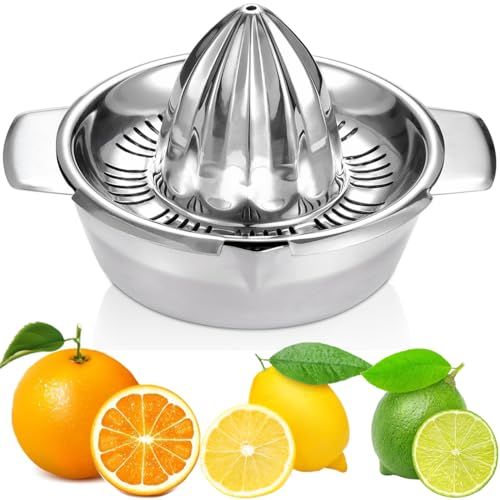
【Sturdy & Efficient】 Manual citrus juicer made of robust 304 (18/8 ) stainless steel, is food-grade, solid, stable and sturdy, anti-rust&anti-citric acid corrosion, can resist prolonged intensive use, much sturdier than plastics. Pointed cone with 11-tooth reamer can extract thoroughly the juice out, help you get maximum vitamins, ideal for daily use to squeeze lemons, key limes, oranges, small grapefruits, madarins, tangerines and other citrus fruits

Sized for measuring citrus juice for cooking and baking
Blender or Food Processor: The No-Squeeze Hack
If you don’t have a juicer, a blender or food processor can be used as an effective no-squeeze method. First, thoroughly wash your oranges to remove any dirt or pesticides. Then, remove the white pith to cut down on bitterness; you can also save the peel if you want to zest your oranges later. Cut the fruit into chunks, making sure to remove seeds as you go.
Add the orange chunks to your blender or food processor in small batches. Start blending on low speed to break up the fruit, then increase to high for about 30 seconds until it’s well blended. To assist the blades, add around ¼ cup of water or ice per orange; this helps keep the mixture moving smoothly. Stop occasionally to scrape down the sides of the container so everything blends evenly.
For a smoother juice, pour the blended mixture through a fine-mesh sieve or cheesecloth. Press down on the pulp to extract the maximum liquid. If you prefer a thicker, pulpier texture, skip the straining process altogether. Serve the fresh orange juice immediately to enjoy the brightest flavor.

100% JUICE WITH BOLD OJ FLAVOR: Twenty-four (24) 10 fl oz bottles of Tropicana 100% Juice Orange Blend, a refreshing fruit juice bursting with bold OJ flavor

32 fluid ounce organic orange mango juice

Organic juice blend with mango, apple, orange, and baobab
Compare Methods: Which One Yields the Most Juice?
Electric citrus juicers deliver the highest juice yield, extracting between 22 and 35 percent more juice than a hand reamer. Your juicing efficiency improves significantly with a lever-style citrus press, coming close to electric machine output. Hand squeezing is the least efficient method, at around 82 percent efficiency, while careful reaming reaches about 92 percent. For manual options, a hinged press offers the best yield, with a 96 percent efficiency—surpassing both reamers and bare hands. To maximize juice extraction, ensure oranges are at room temperature, roll them firmly before cutting, and slice across the equator. Heavier oranges of similar size tend to hold more juice. Overall, a citrus press provides the best balance of high yield and ease, making it the top no-machine choice for extracting maximum juice with less effort and more consistency. For those who prefer a portable option, a Hydroflask tumbler with straw can also keep your freshly squeezed juice cold for hours. For the highest possible yield, consider using heavy cream as a base for your juice-based ice cream recipes, though it is crucial to select the right fat content for your specific ice cream maker.

Heavy-Duty Multipurpose Squeezer: A glass of freshly squeezed juice in the morning promises a much brighter and productive day; make it happen with the Zulay Kitchen Pomegranate Juicer; made with premium quality material resistant to rust and corrosion; perfect for juicing pomegranates, grapes, oranges, lemons, limes, watermelons, grapefruit, pomelos, and just about any fruit you can think of

QUALITY CONSTRUCTION: Crafted with heavy gauge stainless steel for greater strength and durability

MAXIMUM STRENGTH FOR PROFESSIONAL EXTRACTION: Our Premium Lemon Squeezer is made with Ultra-Strong High Quality 18/8 Stainless steel with the perfect metal composition for no corrosion or rusting and with an unbreakable tank status. You also will have NO seeds in your juice. Works perfectly on Meyer lemons Key limes limequats Mexican limes Eureka or Lisbon lemons Rangpur or Tahiti limes. From Florida California or abroad our Citrus Juicer Tool can squeeze them all with maximum result.
How to Strain and Store Your Fresh Orange Juice
After juicing your oranges, strain the juice through a fine-mesh sieve into a clean bowl or pitcher for a smoother texture. This helps remove pulp and sediment, ensuring a clean, refined drink. For extra flavor extraction, press the pulp gently with a spoon to gather more juice, but stop before solids start to push through the mesh. Your pulp preference influences the process: skip the cheesecloth if you enjoy some body or line the sieve for a clearer, more polished finish. For best results, consider using quality ice cube trays to freeze your fresh juice into convenient portions. Transfer the strained juice to a glass container—preferably one with a tight-fitting lid—to preserve flavor and prevent contamination. For serving, a 16 oz tumbler with straw is ideal for enjoying your juice on the go. Store it in the refrigerator at 40°F or lower and consume within two days to enjoy the freshest taste and nutrients. Leftovers can be frozen in airtight containers with a little headspace for up to four months. Keep in mind that freezing may alter the texture, but it helps extend shelf life. For optimal consistency, a high-powered blender can also be used to emulsify leftover pulp back into the juice for a thicker, smoother bowl-like texture.
5 Mistakes That Waste Your Orange Juice
Squeezing oranges at the right temperature is crucial for maximizing juice yield. Never squeeze cold oranges; instead, let them sit at room temperature or give them a warm-water bath for 5 to 10 minutes. Warm oranges are softer and release more juice, reducing waste and effort. Cold oranges tend to be firm and less pliable, making it harder to extract every drop. By ensuring your oranges are warm enough, you’ll increase your juice output without switching tools or applying extra force. For even more efficient preparation, a mandoline slicer can quickly produce uniform citrus slices for pressing or juicing. For those who enjoy fresh citrus in frozen desserts, a compressor-based ice cream maker can churn juice into a smooth sorbet with less pre-freezing hassle. To steep your freshly squeezed juice with complementary flavors, consider using a glass iced tea pitcher with a built-in infuser for herbs or citrus peels.