Are you wondering if silicone straws are safe to use? The good news is that high-quality, food-grade silicone straws are generally considered safe—they’re BPA-free, heat-stable, and chemically inert.
However, lower-quality options can pose health risks if they leach fillers or harbor bacteria.
Keep reading to learn how to choose safe silicone straws and keep them clean.
What Makes Silicone Straws Safe for Drinking?
Silicone straws are safe for drinking because food-grade silicone is chemically inert, meaning it won’t react with your beverages or release harmful substances such as BPA or phthalates. This inertness ensures that your drinks—whether water, juice, coffee, or tea—remain pure and free from off-flavors. Additionally, silicone is non-toxic and hypoallergenic, making it suitable for sensitive users.
Durability is another key benefit. Silicone is soft, flexible, and resistant to chipping or cracking under normal use. Unlike rigid alternatives that can damage teeth or break, silicone straws can withstand regular bending and squeezing. They perform well across a broad temperature range—from -40°C to 230°C—remaining pliable in both hot and cold drinks without deformation. A 40 oz tumbler with handle often pairs well with these durable silicone straws for convenient, everyday hydration. For those seeking fresh juice, pairing these straws with a top juicer machine ensures a clean, enjoyable drinking experience.
From an environmental standpoint, silicone straws are reusable and built to last. Their durable design allows for repeated washing without deterioration, significantly reducing single-use plastic waste. Choosing high-quality, FDA-compliant silicone ensures that no toxic additives contaminate your drinks. This combination of safety, durability, and sustainability makes silicone straws a reliable and eco-friendly option for daily hydration. Unlike glass, silicone straws pose no risk of sharp breakage that could lead to cuts or injuries.
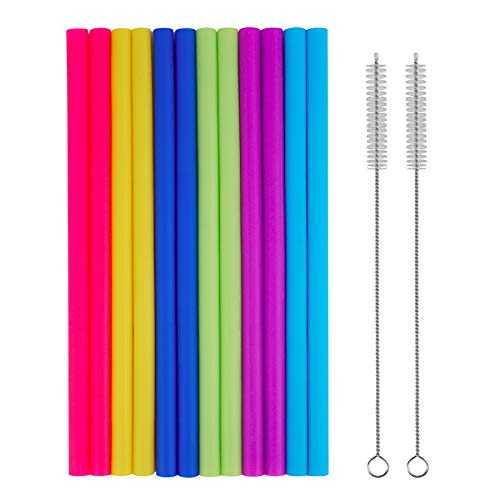
12pcs 10” long, 0.35” inner dia / 0.47” outside dia large straws, 2 cleaning brush.

Safe, Food-Grade Silicone: Crafted from 100% food-grade silicone, these straws are free from lead, phthalates, BPA, and PVC. Non-toxic and dishwasher safe, they are a healthier, green alternative to plastic.
How to Spot Unsafe or Low-Grade Silicone Straws
To spot unsafe or low-grade silicone straws, start by verifying certification. Don’t rely solely on labels claiming “food-safe;” instead, ask for a third-party test report. An LFGB certification from an accredited lab provides more confidence than vague FDA self-declarations. If the brand cannot provide batch-specific proof, that’s a red flag.
Next, perform an odor test. Remove the straw from its packaging and smell it directly. A strong chemical or plastic smell indicates possible harmful additives or unfinished materials. Wash the straw thoroughly with soap and water, then smell again. If the odor persists, it suggests trapped volatile compounds that could leach during use. For example, just as liquid volume markings help ensure accurate ingredient ratios in a shaker bottle, consistent odor testing verifies the purity of silicone materials.
Finally, check for visual clues like white streaks when pinching the material. These often indicate filler-heavy silicone, which can compromise safety and durability. Also, during use, taste the liquid after a sip. Any flavor transfer or chemical taste points to inferior material quality. For example, just as layered smoothies require careful sequencing to avoid muddy colors, low-grade silicone can muddle the purity of your drink with unwanted chemical flavors. To ensure your straws are safe, you can even build a yogurt strainer at home to filter out any potential impurities from your homemade beverages.

Silicone Straws Regular Size Bundle: PACK of 8 Assorted Colorful and resistant Regular Size Slim Silicone Straws + 1pcs Brushes - Approx 10 Inch Length / 0.2 inch Inner Diameter + 1 Brushes.

🌟【Top-Quality & Super Adorable Bear Design】Our reusable, bear-shaped silicone straws are not just perfect for kids, but also add a playful touch to any drink! Jazz up your cups with these fun, bear-shaped straws, and enjoy juices, smoothies, cocktails, and other beverages with pizzazz and fun.
Will Hot or Acidic Drinks Cause Silicone to Leach?
Hot beverages like coffee at 205°F do not cause silicone to leach chemicals when the silicone is food-grade quality. Silicone’s heat resistance ensures it remains stable at typical hot drink temperatures, so there’s no risk of chemical migration. Acidic drinks such as lemonade or juice also do not trigger leaching because silicone is chemically stable and resistant to acids. The main concern is low-grade silicone that is not properly cured, which can release fillers when heated. Choosing high-quality, food-grade silicone ensures only trace or undetectable migration, making it safe for hot or acidic beverages. For those who prefer drinking from top wine tumblers, similar material safety principles apply when selecting food-grade products. Just as with cold brew stored in a blue bottle cold brew can, the material must be inert to preserve both safety and taste.
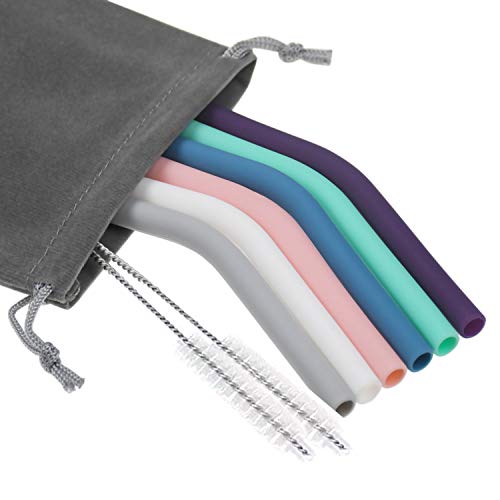
Silicone Straws Best Value: Set of 6 regular silicone straws in 6 assorted colors, 2 cleaning brushes and 1 storage pouch.

Set of 10 & High Quality - Pack of 8 Assorted clear regular silicone straws (about 10 inch length / outer diameter 0.31 inch / inner diameter 0.2 inch),together with 2 brushes,durable quality for reusable using.Best value for money
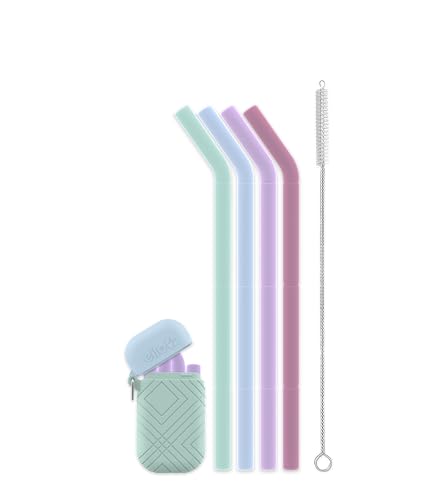
Each set includes 4 fold & store silicone straws, a carrying case and cleaning brush.
Can Bacteria Build Up Inside Reusable Silicone Straws?
Yes, bacteria can build up inside reusable silicone straws, especially when residue, moisture, or sugary liquids are left behind after use. The inner channel traps these liquids and tiny particles, creating an ideal environment for microbial growth. Sticky or thick drinks that cling to bends and seams make thorough cleaning more difficult. If you don’t rinse your straw immediately, residual moisture can feed bacteria, leading to the formation of biofilm or unpleasant odors.
To keep your silicone straw hygienic, scrub the interior with a straw brush using warm, soapy water after each use. Proper drying is essential—air-drying completely prevents moisture from encouraging bacteria. For more thorough sanitation, soak the straw weekly in vinegar or boil it if the manufacturer’s instructions permit. Watch for signs such as discoloration, sliminess, or persistent smells, which indicate it’s time to replace the straw.

>Multi Size: The set includes two diameters silicone straw brush, the length is 9.8inch, the diameters are 0.24inch and 0.35inch, and the brush head part is lengthened to 3.9inch, due to its extra long and soft design, it can easily brush the bottom of all kinds of straws, and it can clean every part of the straws to achieve a thorough cleaning effect.

>Multi Size: The set includes two diameters silicone straw brush, the length is 9.8inch, the diameters are 0.24inch and 0.35inch, and the brush head part is lengthened to 3.9inch, due to its extra long and soft design, it can easily brush the bottom of all kinds of straws, and it can clean every part of the straws to achieve a thorough cleaning effect.

Multi-Scenario Application: This silicone straw cleaner brush set features 0.24" (6 mm) and 0.35" (9 mm) diameters, 10" (254 mm) long, designed to perfectly clean both narrow reusable straws and wider straws, reaching deep inside to remove residue and grime.
Are Allergic Reactions to Silicone Straws Possible?
Allergic reactions to silicone straws are possible, but true silicone allergies are exceedingly rare. You might notice redness, itching, or swelling where the straw contacts your skin—these are signs of contact dermatitis. Often, such reactions result from additives, dyes, or residues from manufacturing, rather than the inert silicone material itself. Manufacturing standards vary, so trace contaminants can occasionally be present, making it important to pay attention to your body’s signals. For example, following a simple troubleshooting order can help identify if a straw has manufacturing defects that cause irritation, similar to diagnosing failed parts in blender maintenance. Choosing a salad spinner with a high-quality, durable construction can similarly help avoid irritation from poorly made kitchen tools. Selecting an immersion blender with superior build quality reduces the risk of contaminants leaching from substandard components during use.
Diagnosing a silicone allergy is challenging without patch testing, and even then, results can be inconclusive. You’ll need to rule out other causes first, especially if you react only to a specific straw. Handling coatings or cleaning agents may be the culprit. Switching brands might help identify the issue. If symptoms persist, stop using the product and consult a dermatologist. While the likelihood of a true allergy is low, replacing silicone straws with alternatives can lessen plastic waste. However, consider your personal sensitivity and the environmental benefits before making changes.
How to Choose and Use Silicone Straws to Avoid Health Risks
To avoid health risks when using silicone straws, choose food-grade, certified silicone—preferably platinum-cured—to ensure safety and minimize the presence of additives. Always check for compliance claims like FDA 21 CFR 177.2600 to confirm it meets safety standards. Opt for a straw with a wide inner diameter of at least 8 millimeters to facilitate cleaning and reduce residue buildup. A straight shape is preferable because it simplifies cleaning and drying. After each use, rinse the straw with warm water immediately, scrub the interior with a dedicated brush to remove any lingering debris, and dry it upright to prevent mold. Periodically deep-clean by boiling the straw for about five minutes if the material and manufacturer instructions allow. Replace the straw when it becomes cloudy, sticky, or retains odors—these are clear signs of deterioration. The choice of silicone also impacts environmental sustainability; platinum-cured silicone typically involves fewer additives, reducing waste and chemical exposure during production. Avoid designs with complex curves or narrow sections that trap residue, as they increase cleaning difficulty and shorten the straw’s lifespan. Matching the design to easy cleaning not only enhances safety but also promotes a more sustainable, reusable option by reducing water use and bacterial growth. Similar to ice trays, silicone products may contain filler chemicals if not certified, so always prioritize high-quality, pure silicone to avoid leachates. For those looking to build their own reusable straw set, exploring a DIY Drink Mixer build plan can offer further cost-saving ideas on how to pair safe silicone straws with custom glassware. For added convenience, some top-rated blenders now include personal cups with integrated straw lids that work with safe silicone straws.
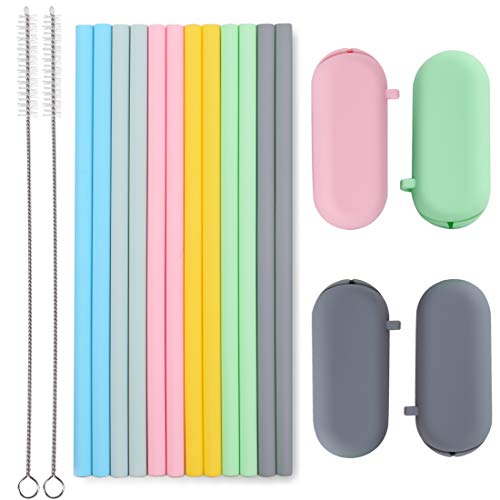
【Food Grade Platinum Silicone】BPA FREE We craft them out of platinum-grade silicone (the best of the best) it is without any odors or tastes.

Wider Diameter for Thick Drinks: Featuring a 0.39" inner diameter, these reusable silicone straws are perfect for bubble tea, smoothies, and milkshakes. Effortlessly sip thick drinks and large tapioca pearls without clogging.

Silicone Straws Best Value: Set of 12 regular silicone straws in 6 assorted colors, 2 cleaning brushes and 1 storage pouch.