Struggling to keep your drinks smooth and free of tiny ice shards or pulp? The secret often lies in how you use your cocktail strainer. Knowing the right way to handle these tools can elevate your drink game instantly.
Here’s a quick guide on mastering your strainer skills to serve professional-looking cocktails every time.
Understand What a Cocktail Strainer Actually Does
A cocktail strainer’s primary function is to separate liquid from solids after mixing. It sits between your shaker or mixing glass and the serving glass, allowing only the liquid to pass through. Meanwhile, it traps ice cubes, fruit pulp, herbs, and seeds, preventing these solids from ending up in your drink. You’ll typically use it once your mixing technique—whether shaking or stirring—is complete. This prevents over-dilution, helping to preserve the drink’s intended flavor balance from first sip to last. It also enhances the texture and appearance by removing fragmented ice and solids, creating a smoother mouthfeel and a more polished presentation. Many bartenders also value a similar tool for serving large drinks like a 40 oz tumbler with handle, which keeps the beverage well-contained and easy to hold. For infusing spirits at home, some bartenders also use amber glass bottles to protect vanilla extract and other flavorings from light degradation. Similarly, the principle of careful filtration applies to cold brew coffee preparation, where a dedicated brewing can traps grounds for a clean pour.
Strainers also benefit your glassware, as they produce a clearer, more visually appealing drink by blocking unwanted pulp, seeds, and herb fragments. This ensures only the pure liquid is poured into the glass, highlighting the drink’s color and clarity. Ultimately, the strainer plays a crucial role in achieving a consistent, professional-quality cocktail, supporting a precise bartending workflow with clean, well-presented pours.
Choose the Right Cocktail Strainer for Every Drink
Choose the right strainer for each type of drink to ensure clarity and proper presentation. For shaken cocktails in a shaker tin, a Hawthorne strainer is ideal because its flexible plate can securely fit over the tin and catch larger ice chunks and fruit pulp. When stirring drinks from a mixing glass, opt for a Julep strainer; its bowl shape and coiled spring excel at holding back ice and small particles, making it perfect for spirit-forward, well-mixed beverages.
If you’re muddling herbs or fruit, use a fine mesh strainer as a second pass to remove pulp, seeds, and tiny shards that can cloud or ruin the texture of your drink. Do not rely solely on built-in shaker strainers for clarity, as they are designed for quick pours and may miss finer particles. Keep your bar simple by pairing each strainer with its appropriate task: Hawthorne for shaking, Julep for stirring, and fine mesh for finishing touches. Matching your strainer to the drink style will give you cleaner, more consistent results every time.

Stainless steel construction - Ensures durability for frequent commercial use

Fits in cocktail shakers or glasses

Stable Design: Secure Fit & One-Hand Pouring - This cocktail strainer is equipped with four reinforced prongs, ensuring it fits snugly on standard Boston shakers, mixing glasses, and pint glasses—no slipping or tilting. Enjoy effortless one-hand pouring with this essential bar strainer, perfect for party prep or busy bar shifts. Avoid messy spills while maintaining professional control over your drinks. It is an excellent cocktail shaker accessory and a reliable cocktail strainer for drinks.
How to Use a Cocktail Strainer (Hawthorne) the Right Way
To use a Hawthorne strainer correctly, start by placing it over the opening of the shaker tin with the spring side facing inward. Seat the flat metal edge flush against the rim to create a proper seal. Secure the strainer by holding it with your index finger on the top tab, then grip the shaker firmly with your other hand. Tilt the shaker slightly to control the pouring flow, ensuring a steady stream. Adjust the seal based on your mixing method: compress the spring for a tight, clean strain with smooth cocktails or leave a slight gap if you prefer some ice texture or additional pour control. Use this strainer for most shaken drinks, particularly those with muddled ingredients or small fruit bits. The spring action also helps catch fine particles, similar to how a flour sifter breaks up clumps for a smooth texture in baking. For the best results, ensure your equipment operates at high-speed blending to emulsify ingredients thoroughly without overheating. The Magic Bullet’s compact design makes it easy to clean and store in small kitchens. After pouring, rinse the coil thoroughly to prevent residue buildup and keep it ready for the next use.

Durable and dependable made from 304 stainless steel

【2023 Upgraded Unique Design】- 3 piece cocktail strainer set includes all the bartender accessories: mesh conical&julep&hawthorne strainer and recipes booklet. Perfect for straining ice, fruit, and more from drinks for smooth cocktails, or fits perfectly for whiskey glass, cocktail shaker.

PROFESSIONAL GRADE HAWTHORNE STRAINER COCKTAIL, WITH A STAINLESS STEEL FINISH: Custom-created by a career bartender, this strainer has everything a bartender needs to make perfectly strained drinks, every time. This bar strainer is made of stainless steel 304 and has an ergonomic design for comfort and speed. The A Bar Above Hawthorne steel cocktail strainer is the perfect accessory for any bar.
How to Use a Cocktail Strainer (Julep) for Stirred Drinks
A Julep strainer is ideal for stirred cocktails because it provides a precise, controlled pour that helps keep ice and large fragments out of the glass. To use it, insert the strainer into your mixing glass with the bowl angled to catch the ice while the handle rests over the rim. Press the cupped side against the inner wall of the glass to block larger pieces from pouring out.
Hold the mixing glass steady near the rim to prevent slipping. Secure the strainer by placing your index finger on the handle’s stem or hooking a finger over it to gain leverage. Pour the cocktail slowly and steadily, keeping the strainer pressed in place to avoid spills or splashing. Stop pouring once the drink reaches your desired level.
This method ensures a clean, smooth pour for spirit-heavy drinks like Martinis or Manhattans. Match your strainer to your glassware for optimal results, and always pour in a controlled manner to prevent ingredient layering from mixing. Add fresh ice or garnishes only if serving on the rocks to maintain the drink’s presentation.

QUALITY CONSTRUCTION: Crafted with heavy-duty stainless steel core construction for excellent durability, to help resist pitting, and maintain shape
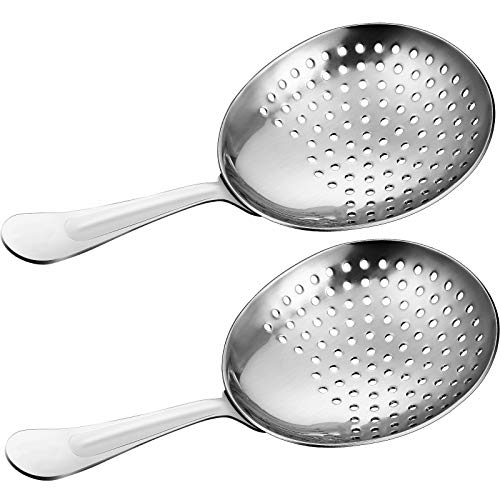
Safe and Durable: our julep strainers are made of sturdy stainless steel, resists rust and corrosion, no odors, so it will have no influence on the taste of cocktail, not easy to break or deform, can serve you for long time; This bar strainers is easy to clean, dishwashers safe for easy cleanup

CLASSIC STRAINING TOOL FOR COCKTAILS: This julep strainer is a go-to bar tool designed to perfectly strain stirred cocktails from mixing glasses. Ideal for Manhattans, Negronis, and Old Fashioneds, it creates a smooth, ice-free pour with minimal effort and maximum control—suitable for professionals and home mixologists.
Master Double Straining (And Why You Should Do It)
Double straining involves filtering your shaken cocktail through both a Hawthorne strainer and a fine-mesh strainer in one continuous pour. This method effectively removes tiny ice shards, citrus pulp, and herb fragments that a single strainer can miss. It is especially important for drinks served “up,” such as those with egg white or muddled ingredients, to ensure a smooth texture and crystal-clear appearance. The process enhances the drink’s clarity and refinement, making it look more professional and appealing, much like how tea infusers ensure a clean, particle-free brew. For maintaining your equipment, thorough cleaning your shaker bottle after each use prevents residue buildup that can affect flavor. A fine-mesh strainer can also be used to sift dry ingredients like powdered sugar or cocoa for precise cocktail garnishes.
To double strain, position the Hawthorne strainer on your shaker, then hold the fine-mesh strainer over your chilled glass. Pour the cocktail in a steady, single motion to filter out unwanted solids completely. This technique not only improves the visual presentation but also results in a cleaner, more balanced flavor. Proper double straining requires a steady hand and attention to detail but pays off with a polished and sophisticated final product.

The Rainspire Mini Strainer is ideal for smaller straining jobs like straining seeds from citrus fruits, dusting powdered sugar, and steeping loose-leaf tea.

QUALITY CONSTRUCTION: Crafted with a comfortable rod handle and front rest loop that sits on the top of glasses for easy one hand operation

A MUST-HAVE KITCHEN ACCESSORY: Keep the pulp and herbs out of your cocktails with this stainless steel strainer. You can also use it to filter coffee grounds, strain tea leaves or juice, sift flour, or for dusting baked goods. The rim is polished with a classic mirror finish to make this wire mesh strainer a perfect way to add that professional, edgy look to your home bar.
3 Cocktail Straining Mistakes That Ruin Your Drink
Using the correct strainer is essential to ensure your shaken cocktail remains clear and smooth. A julep strainer, for example, is designed for muddled or stirred drinks and won’t effectively trap the tiny ice shards produced during shaking. Instead, opt for a fine mesh or a properly fitted Hawthorne strainer that can catch these ice fragments. If you use the wrong type, your drink will be cloudy or gritty, ruining its presentation and texture. Matching your strainer to your method preserves the cocktail’s clarity and improves overall quality. Selecting the right speed on your blender ensures proper ice crushing and prevents gritty results. For the best clarity, consider that proper machine setup prevents unwanted particles from entering your final liquid. If you lack a fine mesh strainer, you can use a clean coffee filter as an effective alternative to catch tiny ice shards and sediment.

1. Unbeatable Precision Straining:Our fine mesh strainer with handle is meticulously crafted with a dense and ultra-fine Stainless Steel mesh that ensures nothing escapes through the strainer but pure, smooth liquids and ingredients. Say goodbye to lumps, impurities, and unwelcome bits in your tea, coffee, juice and cocktail. The sieve strainer allows for optimal liquid flow while trapping the smallest particles, resulting in flawless textures and delightful culinary creations.
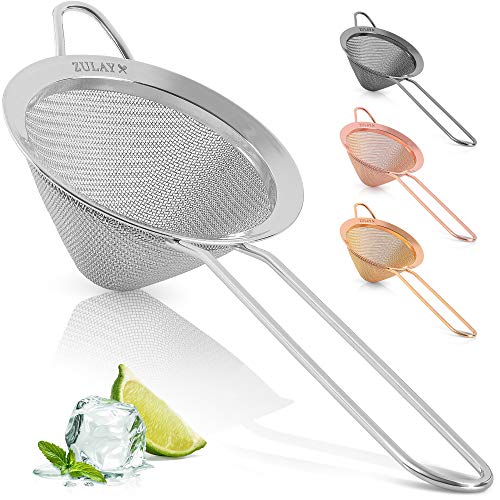
A MUST-HAVE KITCHEN ACCESSORY: Keep the pulp and herbs out of your cocktails with this stainless steel strainer. You can also use it to strain tea leaves or juice, sift flour, or for dusting baked goods. The rim is polished with a classic mirror finish to make this wire mesh strainer a perfect way to add that professional, edgy look to your home bar.
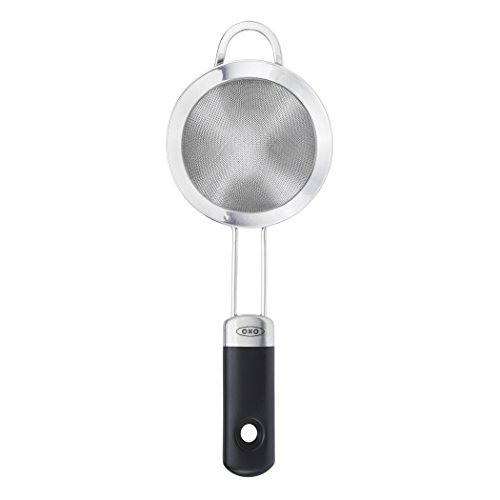
Stainless steel fine mesh efficiently strains fruit pulp and ice chips for a crisp, clean drink
Keep Your Cocktail Strainers Clean (Without Damaging Them)
To keep your cocktail strainer performing its best, clean it promptly after use. Rinse it with cool or lukewarm water instead of hot water—hot water can damage the fine mesh. Gently run water across the surface to dislodge citrus pulp, sugar, or pulp particles, then shake off any trapped liquid. For routine cleaning, use a mild detergent and a soft sponge or nylon brush; avoid steel wool or abrasive pads that can scratch the mesh. To clean the spring separately, remove it from the strainer and wash each part individually.
For stubborn residues, soaking the strainer in a mixture of equal parts vinegar and water for a few minutes can help loosen debris. Be sure to rinse thoroughly afterward to remove any vinegar smell or taste. Always air-dry your strainer completely to prevent rust formation—never towel-dry the mesh, as cloth can leave lint or scratch the surface. For glass strainers, avoid thermal shock by not plunging a hot strainer into cold water, as this can cause cracking. Long-term care also involves inspecting for bent wires or signs of wear, and replacing your strainer if it becomes damaged. Proper cleaning techniques combined with dry, tidy storage—such as placing your strainer on a rack—will keep it in top shape and ready for your next cocktail. To prevent odour and mould from returning, ensure your strainer is fully dry before storing it. For similar reasons, you should avoid using silicone ice trays that are not fully dry, as trapped moisture can also encourage microbial growth.