If you’ve ever struggled to get enough juice from a lemon or lime without making a mess, a lemon squeezer might be just what you need. It’s a simple tool that helps you extract more juice with less effort and less hassle.
With a good squeezer, you can get up to 40% more juice while keeping seeds and bitter peel oils out of your drink.
Keep reading to learn how to choose the best one for your kitchen and make the most of your citrus.
The Lemon Squeezer: A Simple Definition
A lemon squeezer is a handheld tool used to extract juice from citrus fruits like lemons, limes, and oranges. It works by pressing the fruit halves against a ridged or flat surface, applying pressure to squeeze out the juice while leaving most of the pulp and seeds behind. Commonly made from plastic, metal, or ceramic, this device simplifies the process of juicing and reduces mess compared to squeezing by hand. Its design is straightforward—usually involving two hinged parts or a chamber with a pressing mechanism—making it easy to use for small amounts of juice in cooking or drinks. For larger batches, dedicated electric juicer machines can process oranges faster with less effort. This tool is ideal if you want fresh, bright citrus flavor quickly and efficiently without the fuss of manually squeezing or dealing with pulp residue. For those who prioritize quality and value, top tumbler reviews show similar care in comparing materials and performance. Using a device like this shares the same need for proper cutting and safety techniques as a mandoline slicer to avoid hand fatigue or accidents.
How Does a Lemon Squeezer Work?
To make a lemon squeezer work, you start by placing a halved lemon cut-side down on the conical or pressing surface. When you pull down the lever, it multiplies your force through a hinge mechanism, applying significant pressure to the fruit. This pressure ruptures the juice sacs inside the citrus flesh, releasing the juice.
Ridges or textured surfaces on the squeezer grip the lemon, ensuring even extraction by forcing the juice out of all areas of the fruit. Built-in slots or screens allow the liquid to drain into a collection bowl while trapping seeds and larger pulp, preventing bitter solids from mixing with the juice. Just like a blender, the squeezer relies on consistent pressure and motion to maximize extraction efficiency.
The lever action provides consistent pressure, making it easier to extract all the juice with less effort compared to manual squeezing. This means you’ll maximize yield and minimize hand strain, getting every last drop efficiently. The same mechanical leverage principle is used in a blue bottle cold brew can to press coffee grounds for concentrated extraction.
Why Use a Lemon Squeezer Instead of Squeezing by Hand?
Using a lemon squeezer instead of squeezing by hand can increase your juice yield by 20% to 40%. This means you extract more liquid from each lemon, reducing the number of lemons needed for your recipe and minimizing waste. The higher efficiency also helps preserve the juice because less liquid gets trapped inside the rind and lost. Additionally, a squeezer limits the amount of peel and bitter oils that contaminate your juice, keeping its flavor bright and fresh. It also reduces strain on your hands during large juicing tasks and separates seeds and pulp effortlessly, resulting in cleaner, seed-free juice. For techniques similar to nut milk extraction, a high-quality press can use a fine mesh bag to filter out solids efficiently. Finally, using a squeezer speeds up the process and makes cleanup easier, leaving your hands free of sticky residue. Different main types of squeezers, such as reamers and presses, offer varied levels of leverage and pulp control to suit different preferences. For cutting lemon wedges to fit your squeezer, a mandoline slicer with julienne blade can produce uniform strips for garnish or preparation.

SQUEEZE OUT EVERY DROP OF JUICE: Our 2-in-1 lemon squeezer won’t waste a single drop from your favorite fruit! We have designed this lime juicer to be easy on hands. Watch limes, lemons, and small oranges beg for mercy, even with a soft squeeze. The holes at the bottom of the citrus juicer serve as a seed filter to prevent the pulp and seeds from getting in your way.
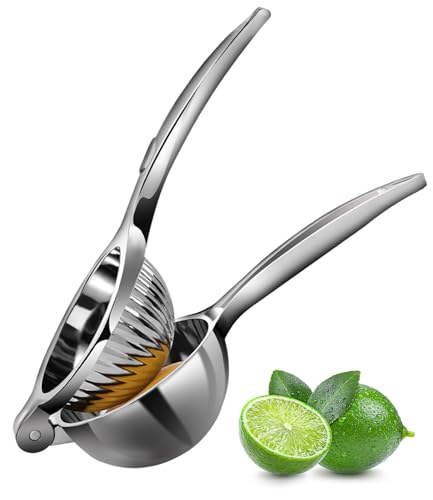
GET ALL JUICE FROM YOUR FRUIT: Unleash the full potential of your favorite fruits with Rekix's Lemon Squeezer. Extract every last drop of liquid, leaving no juice behind. Transform limes, lemons, and even small oranges into liquid bursts of flavor. Say goodbye to wasted fruit and hello to a citrusy symphony in your glass.
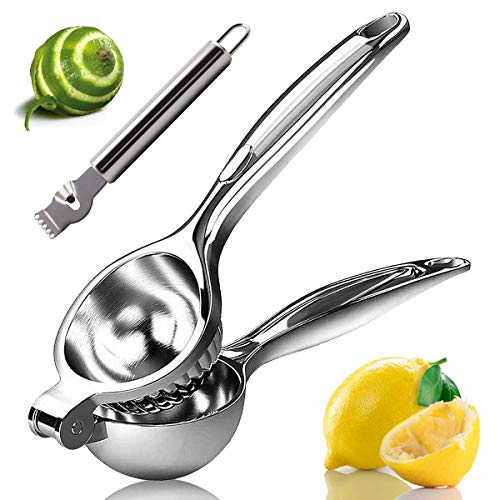
【MAXIMUM JUICE EXTRACTION IN SECONDS – SEED-FREE & NO MESS】The multi-directional juice hole design at the bottom with a 2.76 inch diameter round bowl, this manual citrus juicer delivers smooth, seed-free, and pulp-free juice in one easy press. Engineered with a precision-fit structure that allows optimal contact between the pressing surfaces and the fruit, it fully compresses the fruit for maximum juice extraction with minimal residue.
The Main Types of Lemon Squeezers
There are several main types of lemon squeezers, each suited to different needs and preferences. The handheld reamer is the simplest tool—a small cone you twist into a lemon half to extract juice. Its design is straightforward, making it intuitive and easy to use, especially for quick tasks. The hinged handheld squeezer features two cups that you press together, requiring less strength and providing more control. A countertop reamer offers a stable base and a similar twisting action, making it ideal for larger batches. For even higher efficiency, a countertop press applies vertical force, maximizing juice output with less effort. Industrial options include electric citrus juicers which automatically spin a reamer while collecting juice in a container. An immersion blender, by contrast, is a handheld tool with rotating blades designed for blending soups and sauces directly in the pot, offering similar convenience for different kitchen tasks. These are best for frequent use or large quantities. For those who value crystal-clear results, a clear ice maker can produce flawless ice cubes for your beverages. To keep any of these tools working well, it is crucial to clean the bag thoroughly after each use to prevent residue buildup. Your choice depends on how much juice you need and how much effort you’re willing to expend.

Practical Design: the head of this wooden juicer is designed into a cone shape, with a strong, easy to grip handle, sharp edges, you just need to insert the juicer directly into the fruit, and gently rotate it to easily get fresh juice, this citrus reamer is approx. 16 x 3.5 cm/ 6.3 x 1.38 inches in size, and the handle is streamlined, convenient for you to grasp, making your juicing work more efficient, time saving and laborsaving, without occupying too much storage space at the same time

Easy-to-use, hand-held Reamer

Great hand tool for quick & efficient juice reaming
What Are Lemon Squeezers Made Of?
Lemon squeezers are typically made from materials like stainless steel, aluminum, plastic (often ABS), and zinc alloy. Stainless steel is favored for its durability and corrosion resistance, making it suitable for heavy-duty use and frequent pressure. Aluminum is a lightweight alternative that still provides strength for repeated leverage, ideal for handheld models. Plastic, especially ABS, offers an affordable option but lacks the longevity of metal materials. Zinc alloy combines sturdiness with a solid feel and often features chrome finishes for aesthetic appeal. Many lemon squeezers now use mixed materials—such as stainless steel with plastic or silicone sleeves—to balance durability, grip, and comfort. The choice of material influences not just the squeezer’s longevity but also how it feels in your hand and how much you might pay. For instance, the OXO Good Grips Citrus Squeezer features a die-cast aluminum construction that efficiently handles frequent use. Similarly, home slushie machines often use heavy-duty stainless steel components to withstand the rigors of freezing and blending cold refreshments. Similar to how a flour sifter’s material affects its sifting performance, the material of a lemon squeezer directly impacts juice extraction efficiency and user comfort. When using a squeezer with a smooth, non-stick surface, it is helpful to apply correct technique similar to that used with a vegetable slicer to avoid slipping and maximize output.
Common Uses for Your Lemon Squeezer
A lemon squeezer is a versatile tool that makes juicing quick and efficient. It allows you to extract fresh citrus juice without seeds in just seconds, making it ideal for preparing lemonades, limeades, or orange juices for drinks and mocktails. The device is also great for incorporating bright acidity into salad dressings, marinades, and soups without the hassle of seeds or pulp. When baking, a lemon squeezer helps you easily add citrus to recipes like lemon bars, cakes, or curds, ensuring smooth incorporation of flavor. It’s useful for preserving cut fruits by squeezing juice over apples or avocados to prevent browning. The squeezer simplifies juice storage by collecting seed-free juice directly into a container. Additionally, it replaces messy hand-squeezing for brightening savory dishes and vegetable juices, providing more juice with less effort and streamlining meal preparation. For those interested in a similar hands-on kitchen project, you might enjoy building a simple DIY coffee tumbler to keep your fresh citrus drinks at the perfect temperature on the go. For tasks that require blending rather than juicing, you can rely on a tool like an immersion blender to purée ingredients directly in the pot for soups or sauces. Using a blender to make a milkshake offers a similar ease of extracting consistent flavor and texture without manual effort.
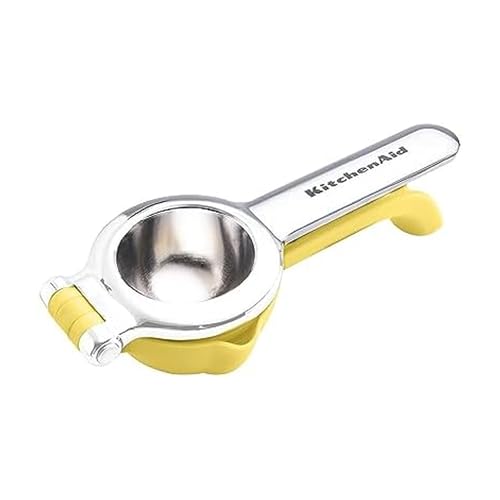
NO MESS: Featuring a unique hopper, all the juice is contained within the citrus press and has an integrated spout for easy pouring

Maximum Juice, Minimal Effort – Patented dual-gear mechanism delivers up to 20% more juice than standard citrus squeezers with less hand strain.
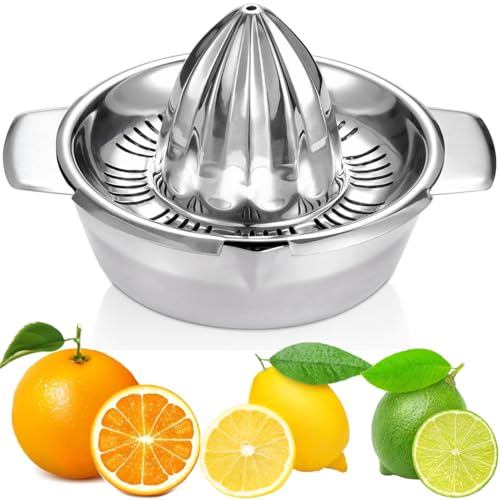
【Sturdy & Efficient】 Manual citrus juicer made of robust 304 (18/8 ) stainless steel, is food-grade, solid, stable and sturdy, anti-rust&anti-citric acid corrosion, can resist prolonged intensive use, much sturdier than plastics. Pointed cone with 11-tooth reamer can extract thoroughly the juice out, help you get maximum vitamins, ideal for daily use to squeeze lemons, key limes, oranges, small grapefruits, madarins, tangerines and other citrus fruits
How to Match a Lemon Squeezer to Your Kitchen Needs
Matching a lemon squeezer to your kitchen needs depends on how frequently and in what volume you plan to use it. For occasional use, a small manual squeezer is ideal because it is compact, easy to store, and simple to clean. If you squeeze 1 to 2 lemons sporadically, this size won’t take up much space and will suit your efficiency needs without cluttering your countertops.
For regular or bulk squeezing, consider a larger manual press or an electric model. These options increase efficiency, allowing you to juice multiple lemons quickly with less effort. Manual presses are still space-saving but require some arm work, while electric models need access to an outlet and tend to be bulkier to store. The choice hinges on your volume requirements and the space you have available in your kitchen. For those who tackle bulk juicing often, a heavy-duty citrus juicer can withstand frequent use without wearing down. Understanding the difference between a garlic press vs grater can help you decide which similar multi-purpose tools to prioritize for your counter space.

【Two-Piece Color Set】 Tackle large lemons and small limes effortlessly with our included yellow and green squeezers. Add a pop of color to your kitchen while juicing efficiently

🍋 EXTRACT THE LAST DROP - Tired of traditional lemon squeezers? Say goodbye to seeds and pulp with our lemon squeeze hand held juicer, designed to boost juice extraction, and ensures you enjoy pure, freshly squeezed juice every time.

Product Specifications: Overall Length: 7.28 inches (18.5 cm);Folded Thickness: 1 inch (2.54 cm);Juicer Head Height: 2.75 inches (7 cm)
How to Maximize Juice Yield From Any Citrus Fruit
To maximize juice yield from citrus fruit, start by selecting ripe, heavy specimens and warming them to room temperature. Ripe citrus fruit typically has deeply colored, glossy rinds and a slight softness when pressed. Heavier fruit indicates more juice content, while underripe options produce less. Let chilled fruit sit out for about 30 minutes or microwave it for 10 to 15 seconds to loosen the membranes and make juicing easier. Using a citrus press or a similar reusable tool can enhance efficiency, ensuring maximum juice with less effort.
Next, use effective juicing techniques. Firmly roll the fruit on your countertop with steady palm pressure to break the internal juice sacs. Cutting the fruit crosswise instead of pole-to-pole exposes more segments, increasing juice extraction. When squeezing, apply steady, controlled pressure—avoid sudden force that can pull bitterness from the peel. After juicing, strain the liquid to remove seeds and excess pulp, resulting in smoother, more enjoyable juice. These steps help extract the highest possible volume from every citrus fruit.

Bar-Quality Juice at Home: Let CO-Z's manual citrus juicer turn your countertop into a juice bar! The ergonomic lever handle easily presses maximum juice from both soft and hard fruits, letting you enjoy fresh sips without electricity or hassle

FREE SAFETY HAT: Only ROVSUN can send you the safety hat. Use the black plastic hat to lock it in that position. It will prevent the handle come down accidently. This heavy duty orange juice squeezer have long and light handle with comfortable rubber grip which stop and reduce pressure on the hand.

MORE POWER THAN STANDARD 25W MODELS: Equipped with a stronger 40W motor and auto-reversing extraction for faster juice yield vs. typical 25W citrus juicers. Designed for smooth, efficient home juicing.
How to Clean Glass, Metal, and Plastic Lemon Squeezers
To keep your lemon squeezer in top condition, proper cleaning is essential. For glass models, wash with warm, soapy water using a soft sponge to avoid scratches. Then soak the parts in a 1:1 vinegar solution to help lift stains and mineral deposits. For stubborn spots, create a paste with baking soda and water, gently scrub the affected areas, and let sit for a few minutes before rinsing. Air-dry all parts thoroughly to prevent water spots and keep the glass clear.
Metal lemon squeezers should be rinsed immediately after use to prevent juice from drying and staining. Use mild soap and a non-abrasive sponge to clean the metal surfaces without scratching. For additional shine and to prevent rust, dry all parts completely with a soft cloth. If rust spots appear, a gentle scrub with baking soda paste can help remove them.Never leave metal parts soaking overnight, as prolonged exposure to moisture could cause corrosion.
Plastic components are easy to clean: wash with warm water and mild dish soap, then rinse thoroughly. To eliminate odors, soak essential parts in a solution of 10% vinegar diluted with water for about 10 minutes, then rinse well. Disassemble all parts, including any small pieces or crevices, and use a soft brush or toothbrush to reach tight spots and remove pulp residue or grime.
For environmentally friendly cleaning, opt for vinegar and baking soda instead of harsh chemicals. After cleaning, ensure all pieces are completely dry before reassembling and storing. Store your lemon squeezer in a dry, ventilated area to reduce the risk of mold, odors, or rust, keeping it ready for next use.